
TANACROSS, Alaska (AP) – One Alaska Native village knew what to do to keep out COVID-19. They put up a gate on the only road into town and guarded it round the clock. It was the same idea used a century ago in some isolated Indigenous villages to protect people from outsiders during another deadly pandemic – the Spanish flu.
It largely worked. Only one person died of COVID-19 and 20 people got sick in Tanacross, an Athabascan village of 140 whose rustic wood cabins and other homes are nestled between the Alaska Highway and Tanana River.
But the battle against the coronavirus isn’t over. The highly contagious delta variant is spreading across Alaska, driving one of the nation’s sharpest upticks in infections and posing risks for remote outposts like Tanacross where the closest hospital is hours away.
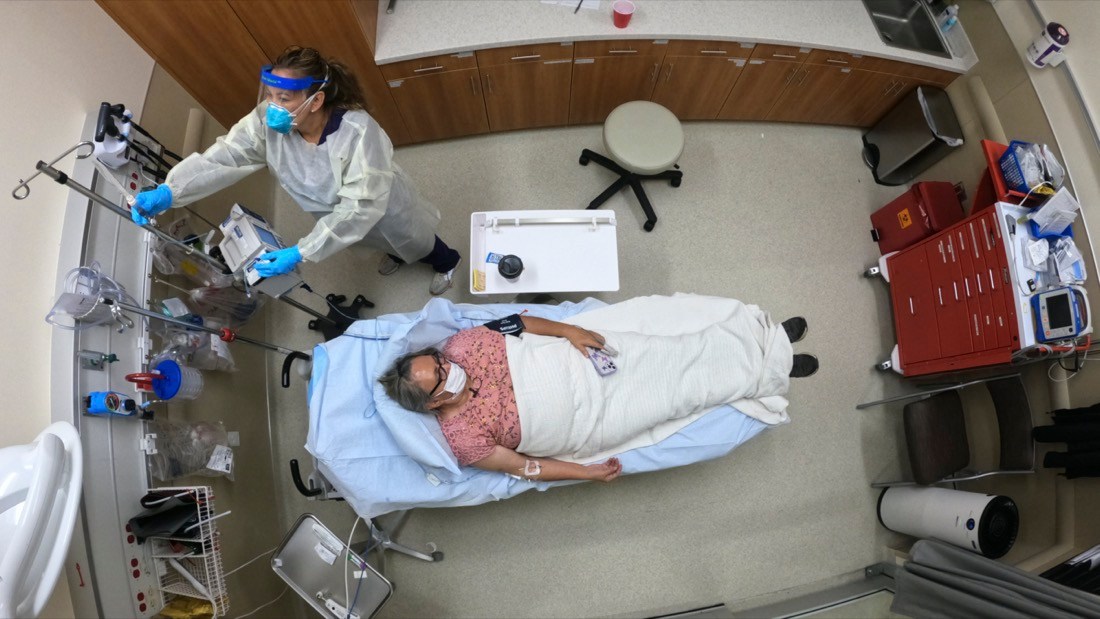
The COVID-19 surge is worsened by Alaska’s limited health care system that largely relies on hospitals in Anchorage, the biggest city. It’s where the state’s largest hospital, Providence Alaska Medical Center, is overwhelmed with patients and was the first weeks ago to declare crisis-of-care protocols, meaning doctors are sometimes prioritizing care based on who has the best odds of survival.
Since then, 19 other health care facilities in Alaska, including Anchorage’s two other hospitals and Fairbanks Memorial, have also entered crisis care mode, something overtaxed facilities in other states have had to do, including Idaho and Wyoming.