
Thursday, October 29, 2026Oct 29

This story is free to read.

US talks global cybersecurity without a key player: Russia

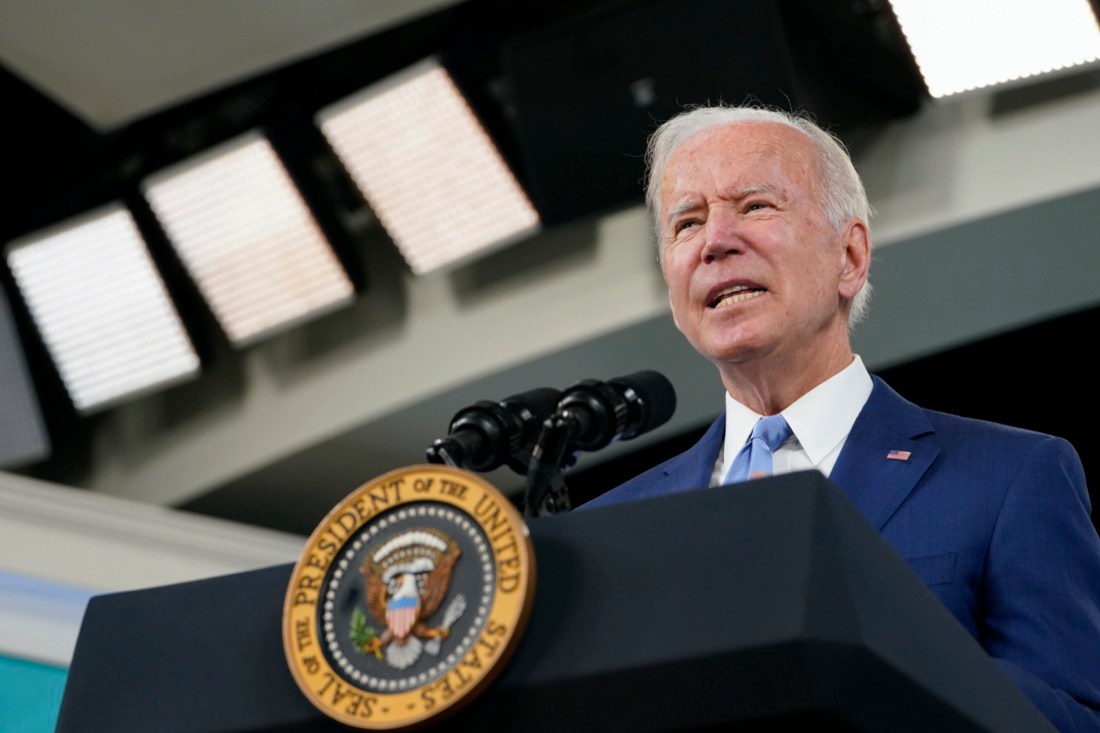
FILE - In this Oct. 8, 2021, file photo President Joe Biden speaks about the September jobs report from the South Court Auditorium on the White House campus in Washington. During an epidemic of ransomware attacks, the U.S. is sitting down to talk cybersecurity strategy this week with 30 countries while leaving out one key player: Russia. The country that, unwittingly or not, hosts many of the criminal syndicates behind ransomware attacks around the world was not invited to a two-day meeting starting Wednesday. (AP Photo/Susan Walsh, File)
FILE - In this Oct. 8, 2021, file photo President Joe Biden speaks about the September jobs report from the South Court Auditorium on the White House campus in Washington. During an epidemic of ransomware attacks, the U.S. is sitting down to talk cybersecurity strategy this week with 30 countries while leaving out one key player: Russia. The country that, unwittingly or not, hosts many of the criminal syndicates behind ransomware attacks around the world was not invited to a two-day meeting starting Wednesday. (AP Photo/Susan Walsh, File) FILE - In this Oct. 8, 2021, file photo President Joe Biden speaks about the September jobs report from the South Court Auditorium on the White House campus in Washington. During an epidemic of ransomware attacks, the U.S. is sitting down to talk cybersecurity strategy this week with 30 countries while leaving out one key player: Russia. The country that, unwittingly or not, hosts many of the criminal syndicates behind ransomware attacks around the world was not invited to a two-day meeting starting Wednesday. (AP Photo/Susan Walsh, File)

WASHINGTON (AP) – Amid an epidemic of ransomware attacks, the U.S. is discussing cybersecurity strategy this week with 30 countries while leaving out one key player: Russia.

The country that, unwittingly or not, hosts many of the criminal syndicates behind ransomware attacks was not invited to a two-day meeting starting Wednesday to develop new strategies to counter the threat.

White House national security adviser Jake Sullivan called it a gathering of “like-minded” governments in agreement on the urgency of the need to protect citizens and businesses from ransomware. “No one country, no one group can solve this problem,” he said in opening remarks.

The virtual discussions will focus in part on efforts to disrupt and prosecute ransomware networks like the one that attacked a major U.S. pipeline company in May, a senior administration official said. The attack on Colonial Pipeline, which led to gas shortages along the East Coast, was attributed to a Russia-based gang of cybercriminals.

The exclusion of a country so closely tied to the global ransomware phenomena reflects the overall poor relations between Moscow and Washington.