
Saturday, October 31, 2026Oct 31

This story is free to read.

Tennessee man ordered to pay state for timber theft

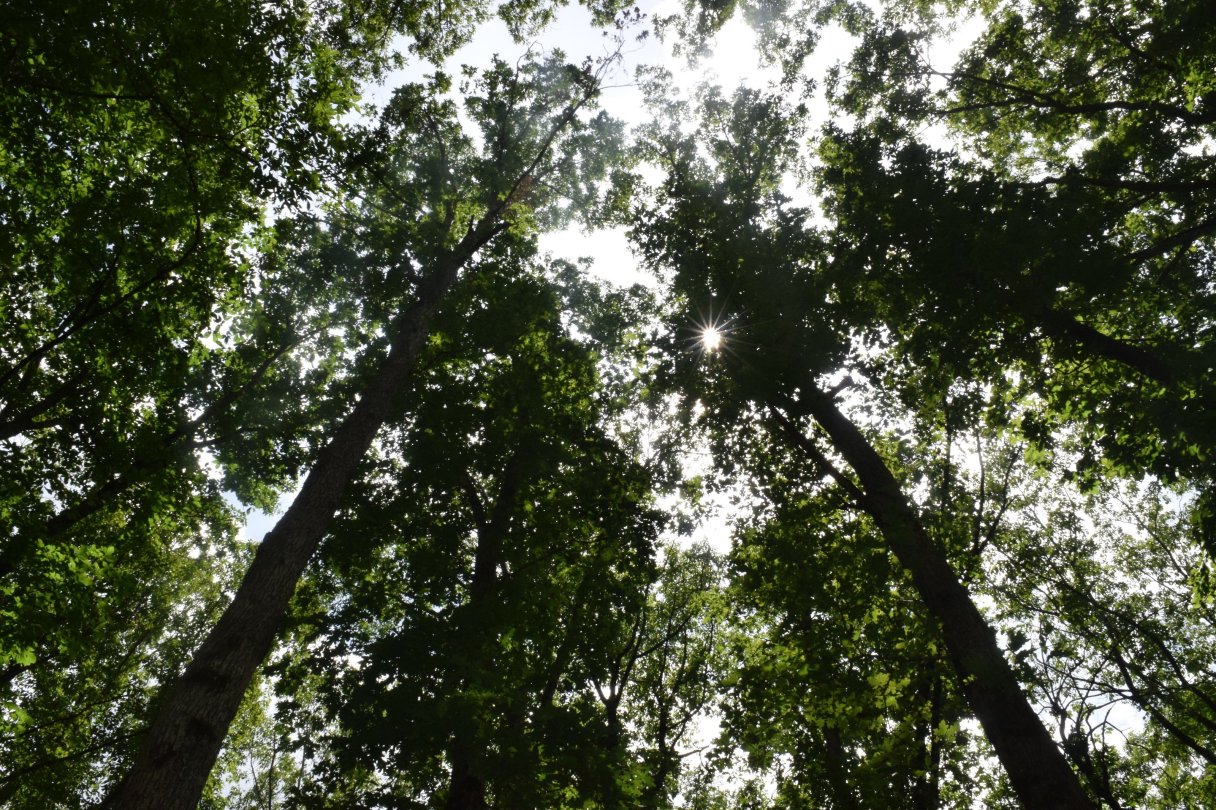
Staff photo by Ben Benton / Sunlight shines through the boughs of a stand of hardwoods in Prentice Cooper State Forest on June 29, 2020. Tennessee Heartwood and Sierra Club member Davis Mounger says hardwood stands like this one are examples of the biodiversity Tennessee Forestry officials should be seeking after logging timber.
Staff photo by Ben Benton / Sunlight shines through the boughs of a stand of hardwoods in Prentice Cooper State Forest on June 29, 2020. Tennessee Heartwood and Sierra Club member Davis Mounger says hardwood stands like this one are examples of the biodiversity Tennessee Forestry officials should be seeking after logging timber. Staff photo by Ben Benton / Sunlight shines through the boughs of a stand of hardwoods in Prentice Cooper State Forest on June 29, 2020. Tennessee Heartwood and Sierra Club member Davis Mounger says hardwood stands like this one are examples of the biodiversity Tennessee Forestry officials should be seeking after logging timber.

NASHVILLE, Tenn. (AP) — A man has been ordered to pay restitution for illegally taking timber logs from Bledsoe State Forest in Tennessee, state agriculture officials said.

John T. Simmons of Pikeville was charged in June with theft, trespass and vandalism after he was seen loading logs onto a trailer alongside a road in the east Tennessee forest, the state agriculture department said in a news release Tuesday.

Knowingly taking timber without the owner’s consent can lead to criminal prosecution, said Greg Whitehead, an official with the Tennessee Agricultural Crime Unit.

The logs were part of a downed timber lot that was listed for bid under a salvage sale, the department said.

Simmons agreed with prosecutors in August to pay $878 in restitution to the Tennessee Department of Agriculture for damages, department spokeswoman Corrine Gould said. The costs come from the estimated value of the timber and its retrieval, Whitehead said.