
WASHINGTON (AP) – Worsening climate change requires that the United States do much more to track and protect refugees fleeing natural disasters, the Biden administration said in a series of grim assessments Thursday on the growing challenges facing the country as the world warms.
Separate assessments from U.S. intelligence and defense officials outlined the rise of global tensions and resulting heightened threats to U.S. security, outlining a more dangerous world with more desperate leaders and peoples as temperatures rise. One, a first-of-its-kind intelligence assessment on climate change, identified 11 nations of greatest concern, from Haiti to Afghanistan.
The report recommends a range of steps: doing more to monitor for floods or other disasters likely to create climate refugees, targeting U.S. aid that can allow people to ride out droughts or storms in their own countries, and working with Congress to consider humanitarian visas and other protections for people displaced by extreme weather.
It also urges creation of a task force to coordinate U.S. management of climate change and migration across government, from climate scientists to aid and security officials.
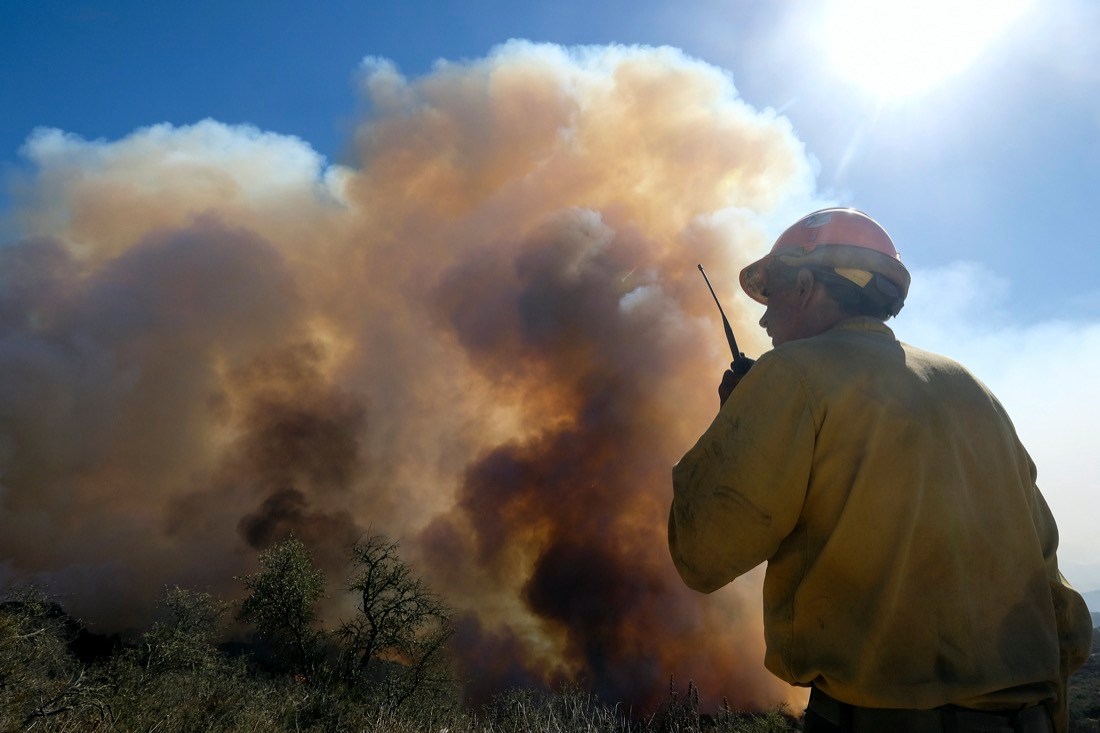
Each year, hurricanes, the failure of seasonal rains and other sudden natural disasters force an average of 21.5 million people from their homes around the world, the U.N. High Commissioner for Refugees says. Worsening climate from the burning of coal and gas already is intensifying a range of disasters, from wildfires overrunning towns in California, rising seas overtaking island nations and drought-aggravated conflict in some parts of the world.