
Friday, November 13, 2026Nov 13

Lobster fishing will face restrictions to try to save whales

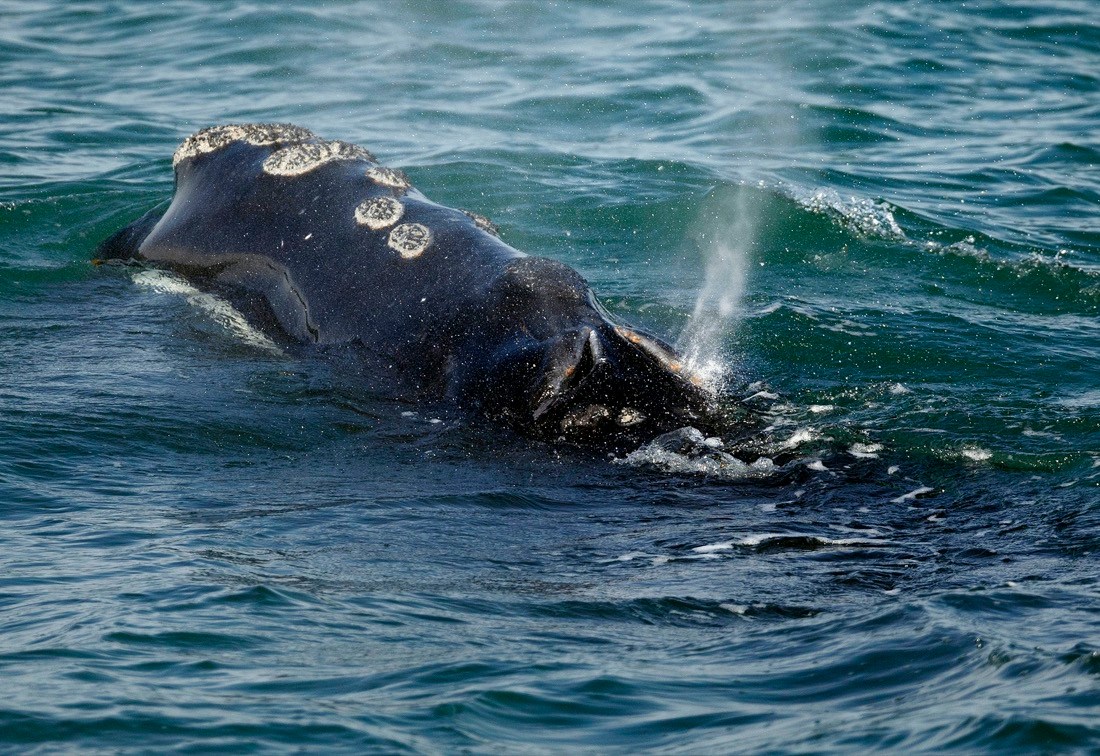
FILE - In this March 28, 2018, file photo, a North Atlantic right whale feeds on the surface of Cape Cod bay off the coast of Plymouth, Mass. America's lobster fishing industry will face a host of new restrictions in harvesting the valuable crustaceans due to a new push from the federal government to try to save a vanishing species of whale. The whales number only about 360 and they are vulnerable to lethal entanglement in fishing gear. (AP Photo/Michael Dwyer, File)
FILE - In this March 28, 2018, file photo, a North Atlantic right whale feeds on the surface of Cape Cod bay off the coast of Plymouth, Mass. America's lobster fishing industry will face a host of new restrictions in harvesting the valuable crustaceans due to a new push from the federal government to try to save a vanishing species of whale. The whales number only about 360 and they are vulnerable to lethal entanglement in fishing gear. (AP Photo/Michael Dwyer, File) FILE - In this March 28, 2018, file photo, a North Atlantic right whale feeds on the surface of Cape Cod bay off the coast of Plymouth, Mass. America's lobster fishing industry will face a host of new restrictions in harvesting the valuable crustaceans due to a new push from the federal government to try to save a vanishing species of whale. The whales number only about 360 and they are vulnerable to lethal entanglement in fishing gear. (AP Photo/Michael Dwyer, File)

PORTLAND, Maine (AP) – America’s lobster fishing industry will face a host of new harvesting restrictions amid a new push from the federal government to try to save a vanishing species of whale.

The new rules, which have loomed over the profitable lobster industry for years and were announced Tuesday by the National Oceanic and Atmospheric Administration, are designed to protect the North Atlantic right whale. The whales number only about 360 and are vulnerable to lethal entanglement in fishing gear.

NOAA said it expects the new rules will result in a reduction in nearly 70% of the risk of death and serious injuries the whales can suffer from entanglement. The rules had long been expected to focus on reducing the number of vertical ropes in the water, and they will.

The rules reduce the number of rope lines that link buoys to lobster and crab traps, NOAA said. The rules will also require the use of weaker ropes so whales can more easily break free if they do become entangled, the agency said. NOAA said the rules also expand the areas of ocean where fishing with trap rope is prohibited or limited.

“The new measure in this rule will allow the lobster and Jonah crab fisheries to continue to thrive, while significantly reducing the risk to critically endangered right whales of getting seriously injured or killed in commercial fishing gear,” said Michael Pentony, regional administrator of NOAA’s Greater Atlantic Regional Fisheries Office, in a statement Tuesday.