
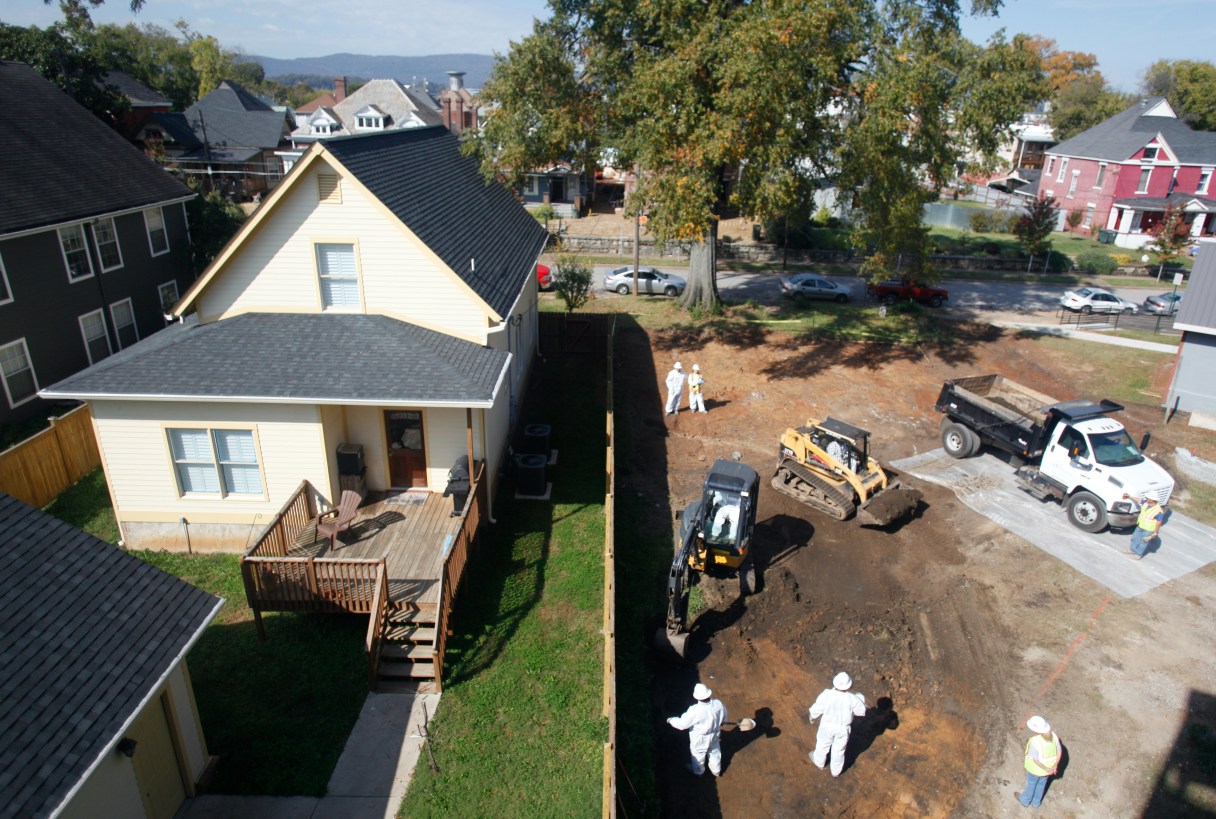
History is never just history – especially with environmental issues. And especially with environmental issues that have long memories and long-lasting effects. Like lead.
Ask the people in at least 1,892 homes in eight Chattanooga neighborhoods across the city’s Southside – Cowart Place, Jefferson Heights, Southside Gardens, Richmond, Highland Park, Oak Grove, East Lake and Alton Park.
And, no, this has nothing to do with lead-based paint, discovered years ago to be dangerous and since then, well publicized. This lead-poisoning danger – estimated to cost U.S. taxpayers $113.5 million over the coming decade – is about the land on which these homes sit, the yards in which children play and the soils in which residents garden.
The soil in these neighborhoods was contaminated over the past century from residue generated at more than 60 iron, brass and bronze foundries that operated in Chattanooga for nearly a century, until the 1980s. As Chattanooga spread away from the edge of an often-flooding river – pre-TVA, pre-Chickamauga Dam, pre-environmental regulations and EPA – these foundry sands, the wastes of many manufacturing efforts, were used to build up land against further flooding.
This was the case with the heart of the Southside – Read, Mitchell and Carr streets – once part of a huge rail yard. After the city flooded several times around the turn of the 20th century, clay and fill dirt was moved to part of the rail yard and homes were built there.