
Monday, November 16, 2026Nov 16

In R. Kelly verdict, Black women see long-overdue justice

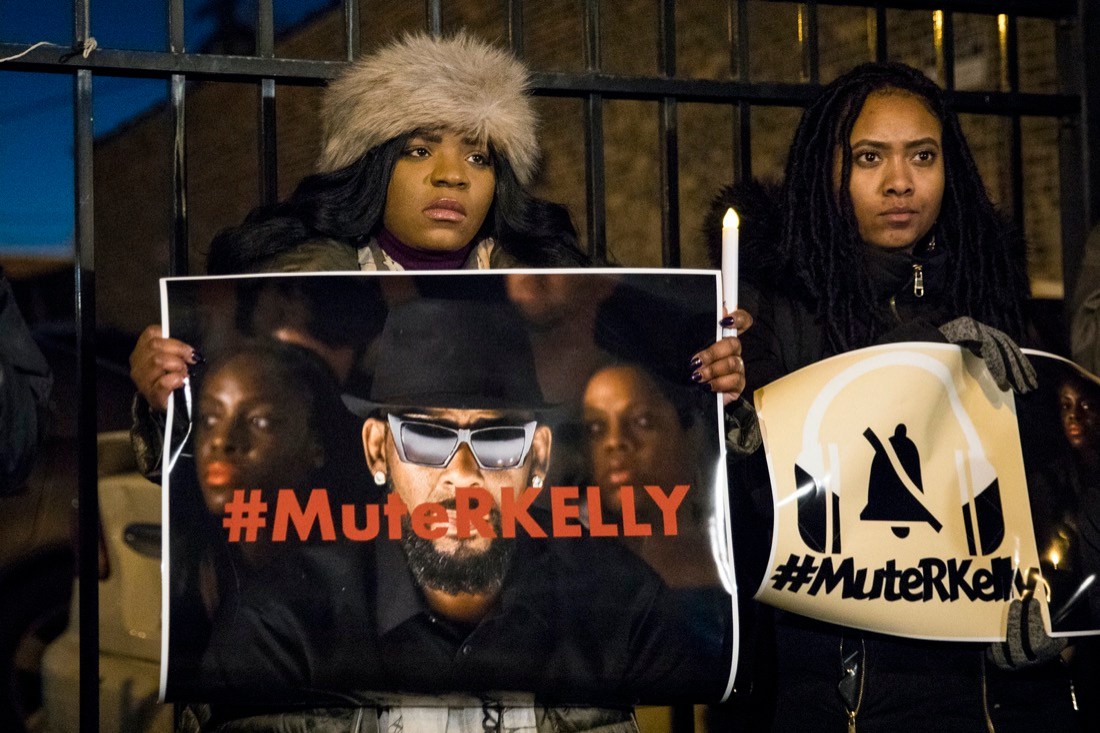
FILE - #MuteRKelly supporters protest outside R. Kelly's studio, Wednesday, Jan. 9, 2019, in Chicago. Accusers and others demanding accountability for the R&B superstar over allegations that he was abusing young women and girls for decades say it took so long to get to a guilty verdict in part because his targets were Black. Kelly was convicted Monday, Sept. 27, 2021, in his sex trafficking trial. Those who work against sexual violence say Black women and girls who want to speak out face a society that hypersexualizes them from a young age. (Ashlee Rezin/Chicago Sun-Times via AP, File)

NEW YORK (AP) – For years, decades even, allegations swirled that R&B superstar R. Kelly was abusing young women and girls, with seeming impunity.

They were mostly young Black women. And Black girls.

And that, say accusers and others who have called for him to face accountability, is part of what took the wheels of the criminal justice system so long to turn, finally leading to his conviction Monday in his sex trafficking trial. That it did at all, they say, is also due to the efforts of Black women, unwilling to be forgotten.

Speaking out against sexual assault and violence is fraught for anyone who attempts it. Those who work in the field say the hurdles facing Black women and girls are raised even higher by a society that hypersexualizes them from a young age, stereotyping them as promiscuous and judging their physiques, and in a country with a history of racism and sexism that has long denied their autonomy over their own bodies.

“Black women have been in this country for a long time and … our bodies were never ours to begin with,” said Kalimah Johnson, executive director of the SASHA Center in Detroit, which provides services to sexual assault survivors.