
OMAHA, Neb. (AP) – Some grain elevators are so full that farmers trying to sell their crops are being turned away. But at the same time, flour and animal-feed mills are halting production because they can’t get the grain they need.
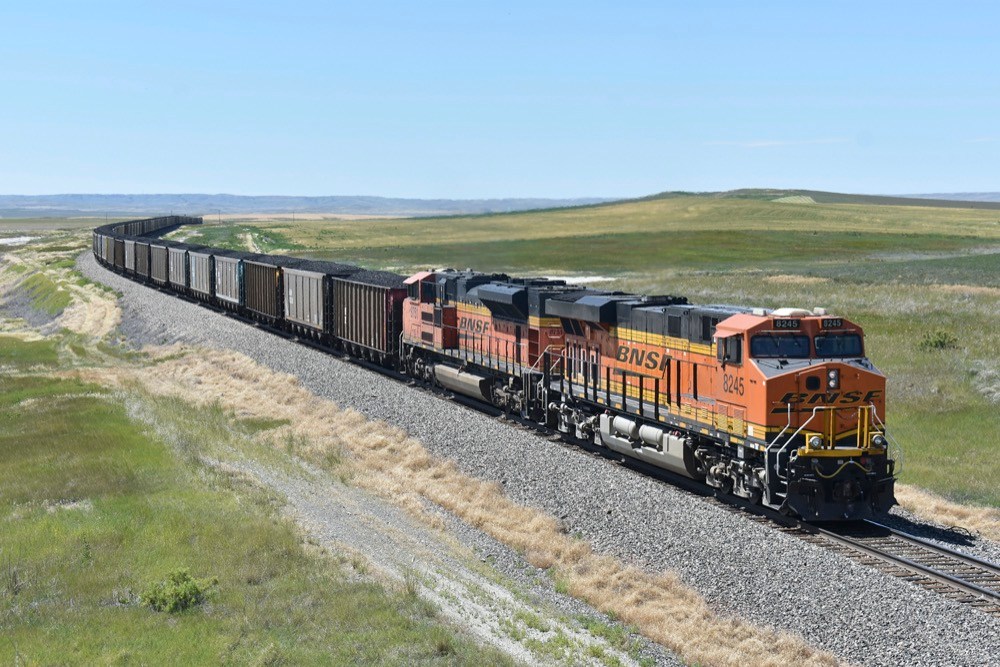
The issue? The lack of trains to move the grain.
Federal regulators are holding hearings later this month to look into the causes of the dearth of rail capacity, which the railroads largely attribute to factors outside their control, like the broader supply-chain issues and widespread labor shortages.
But shippers, regulators and rail labor groups say they believe the heart of the problem is that railroads cut too deeply when they eliminated nearly one-third of their workforce in recent years in the name of efficiency.
“The cuts were too severe,” said Max Fisher, chief economist for the National Grain and Feed Association. “Now there’s no buffer capacity to respond to increases in demand or problems in weather or train derailments and things like that. That buffer capacity that used to be in place is no longer there.”