
Thundering gas-powered muscle cars, for decades a fixture of American culture, will be closing in on their final Saturday-night cruises in the coming years as automakers begin replacing them with super-fast cars that run on batteries.
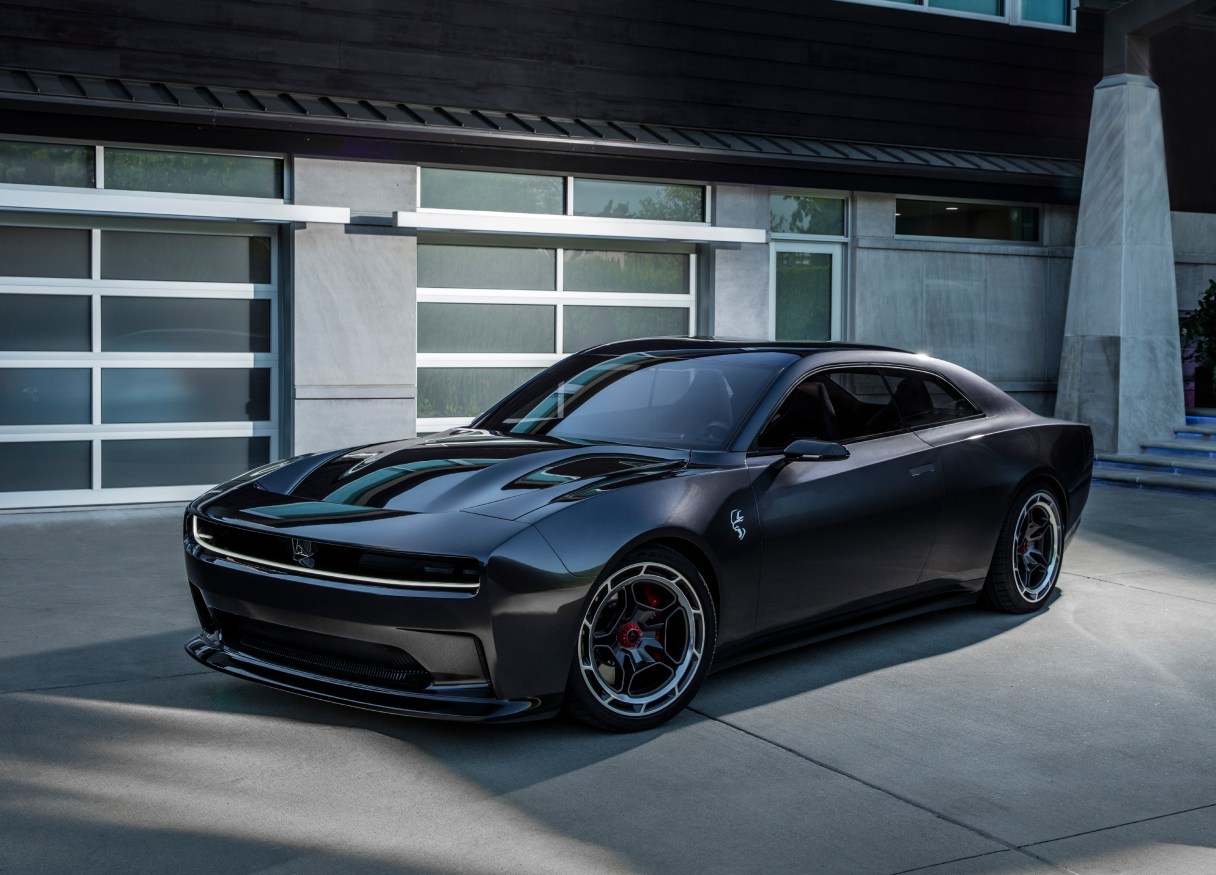
Stellantis’ Dodge brand, long the performance flag-bearer of the company formerly known as Fiat Chrysler, is officially moving toward electricity. On Wednesday night, Dodge unveiled a battery-powered Charger Daytona SRT concept car, which is close to one that will be produced in 2024 as the sun sets on some petroleum models.
Stellantis says it will stop making gasoline versions of the Dodge Challenger and Charger muscle cars and the Chrysler 300 large car by the end of next year. The Canadian factory that makes them will be converted to electric vehicles. Other automakers are moving — or have moved — in the same direction.
General Motors has said it will build an all-electric Chevrolet Corvette. Tesla says its Model S Plaid version is the fastest production vehicle made, able to go from zero to 60 mph in under 2 seconds. Audi, Mercedes, Porsche and other European automakers already have high- performance electric models on sale. And Polestar, an electric-performance spinoff from Volvo, just announced a new Polestar 6 roadster for 2026.
One reason for the industry shift is that electric vehicles are simply faster off the starting line. Their handling is typically better, too, because their heavy batteries create a low center of gravity.