
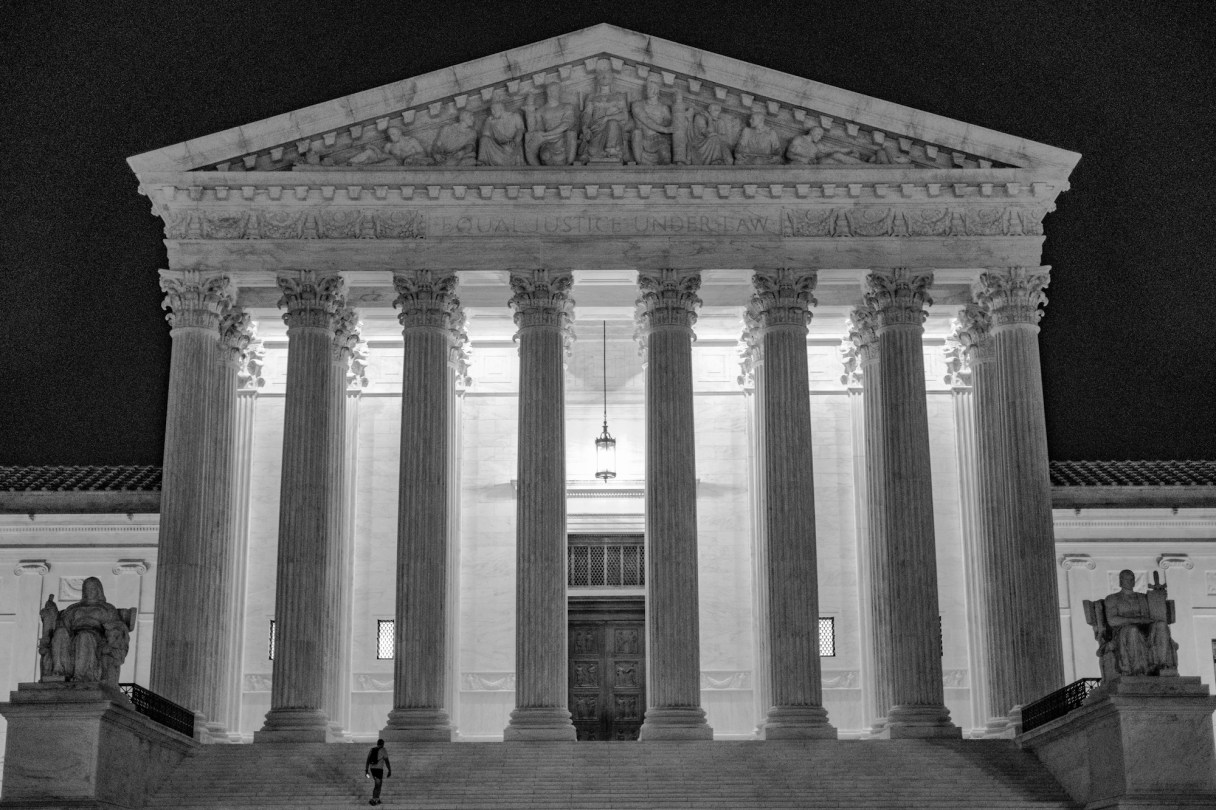
The U.S. Supreme Court has figured prominently and controversially in the news recently. In addition to decisions limiting states’ control over gun safety while expanding states’ power over women’s reproductive rights, the court has broken down long-standing barriers between separation of church and state by authorizing public funding of private religious education.
A person might suggest this range of controversial rulings — generally overthrowing long-established precedents and legal principles — has transformed this Supreme Court into the “Extreme Court.”
A consequence of these rulings has been a dramatic drop in public opinion of the nation’s highest court into previously uncharted territory. A recent Gallup Poll revealed only 25% of the public expressed “a great deal” of confidence in the current court and its actions.
Ironically, the basis for most of the controversial rulings by this court arises from a judicial concept known as constitutional originalism. This idea, most prominently promoted by the late Justice Antonin Scalia, asserts that the Supreme Court must seek to apply the constitutional language as the Founding Fathers originally intended — nothing more or less.
The problems with this notion are multiple.