
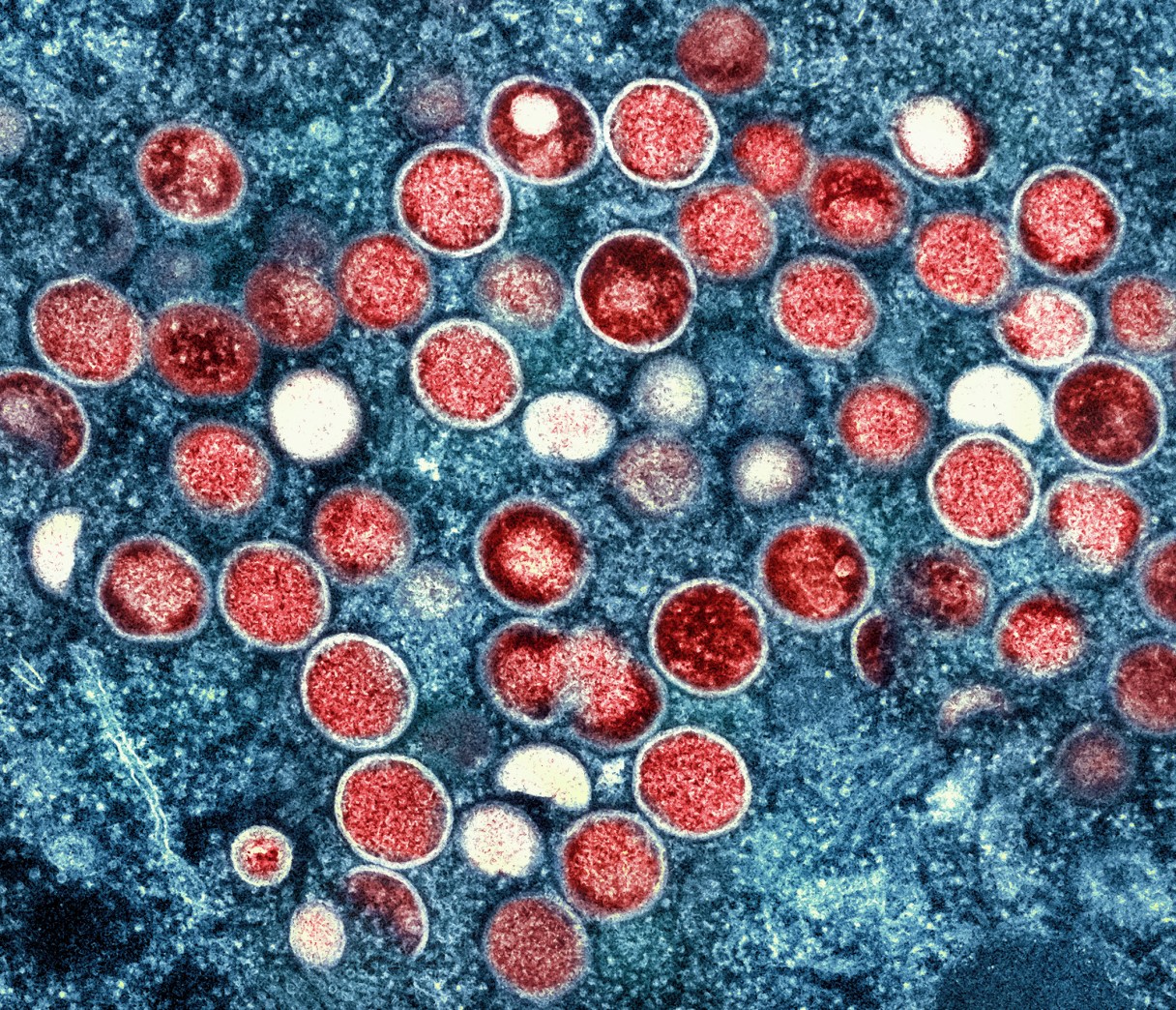
WASHINGTON (AP) — The federal government plans to end in January the public health emergency it declared earlier this year after an outbreak of monkeypox infected more than 29,000 people across the U.S.
Monkeypox cases have plummeted in recent weeks, with just a handful of new infections being reported every week in the month of November, according to data from the Centers for Disease Control and Prevention. At the height of the outbreak, over the summer, hundreds of people were being infected weekly.
The virus has primarily spread among men who have sex with infected men.
The public health emergency is expected to end in January, said Health and Human Services Secretary Xavier Becerra in a statement.
“Given the low number of cases today, HHS does not expect that it needs to renew the emergency declaration when it ends on January 31, 2023,” Becerra said. “But we won’t take our foot off the gas — we will continue to monitor the case trends closely and encourage all at-risk individuals to get a free vaccine.”