
Monday, November 16, 2026Nov 16

With oil markets tightening, OPEC and its allies agree to small increase in output

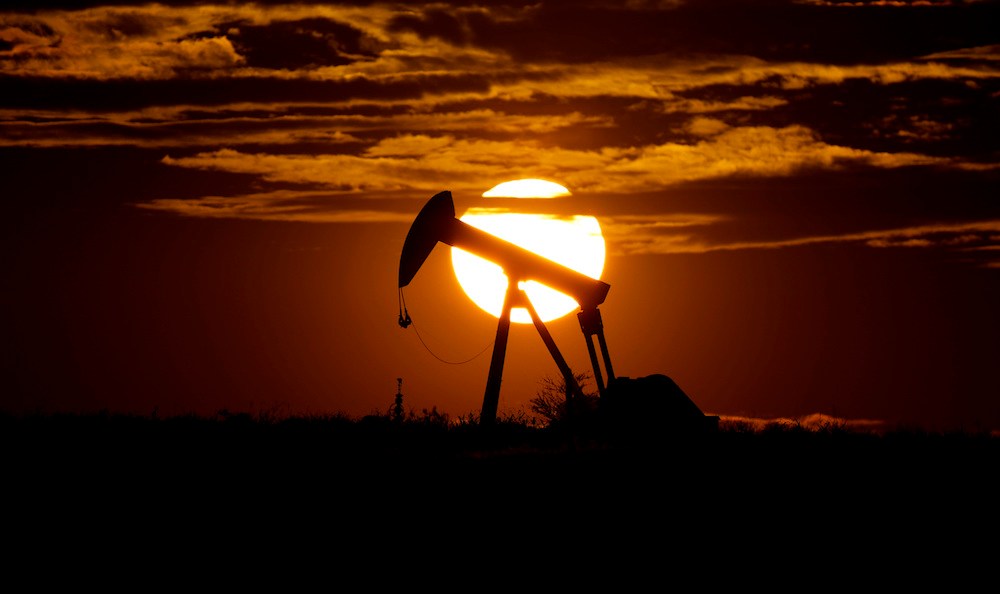
The sun sets behind an idle pump jack near Karnes City, USA, April 8, 2020. Major oil-producing countries are deciding how much crude to pump to the world next month. The decision Wednesday is closely watched because oil prices are at seven-year highs and have spiked fuel costs for heating, flying and driving. Fears of a possible Russian invasion of Ukraine are adding to concerns about supply because Russia is a major oil producer and could be hit with sanctions by the U.S. and Europe. (AP Photo/Eric Gay, File)

Officials from OPEC countries and their allies agreed Wednesday to continue feeding a modest amount of additional oil into an increasingly tight market, a move that may add new uncertainty to energy markets.

Oil prices rose after the meeting, settling near $90 a barrel for Brent crude, the international standard. Prices have risen about 14% this year alone, adding to inflation and raising living costs for consumers around the world, including in the U.S.

OPEC and its allies, known as OPEC Plus, have kept tight control of production over the course of the pandemic as demand has slowly grown. But there are new questions looming – including the possibility that Russia will invade Ukraine, and the chance of a new nuclear deal with Iran that would allow it to start selling its oil on the market.

Analysts at Goldman Sachs warned in a note after the meeting that “the combination of rising geopolitical tensions (Ukraine and Iran) and prices approaching politically sensitive levels are likely to increase volatility.”

Normally, such conditions could prompt expectations that OPEC Plus would seek a substantial increase in output.