
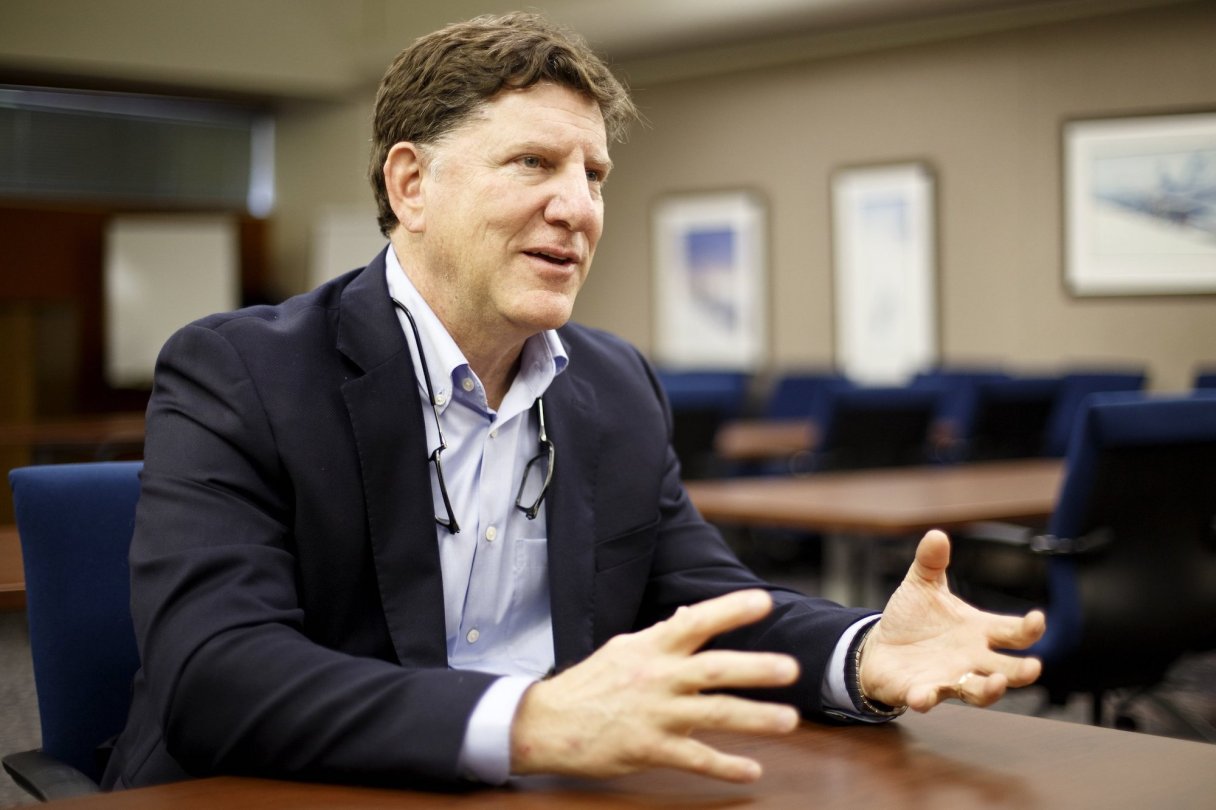
The Tennessee Valley Authority on Wednesday reaffirmed its pledge to continue to decarbonize its energy generation and keep its electricity prices below most of the country.
TVA President Jeff Lyash responded to congressional criticism that TVA isn’t doing enough to limit its electricity costs and carbon emissions by promising to try to hold the line on future power rate hikes while “rapidly increasing renewable resources on our system” and “actively exploring options to construct new nuclear generation” to replace its aging coal fleet.
In a 16-page letter sent Wednesday to Democratic leaders of the House Energy and Commerce Committee and three of its subcommittees, Lyash said TVA “aspires to achieve net-zero emissions by 2050 and is actively pursuing and researching the technologies needed to get there.”
Over the next decade, TVA also has pledged not to raise its base rates for power, which the agency says already are below the residential rates charged by 80% of U.S. utilities and are below the industrial charges by 95% of U.S. utilities. TVA is the nation’s biggest public power utility, formed by President Franklin Roosevelt in 1933, and its power is used by 10 million people in seven states.
Some in Congress want TVA to do more to limit carbon and greenhouse gas emissions linked with global warming and to promote more energy efficiency to cut not only power rates but monthly power bills for consumers.