
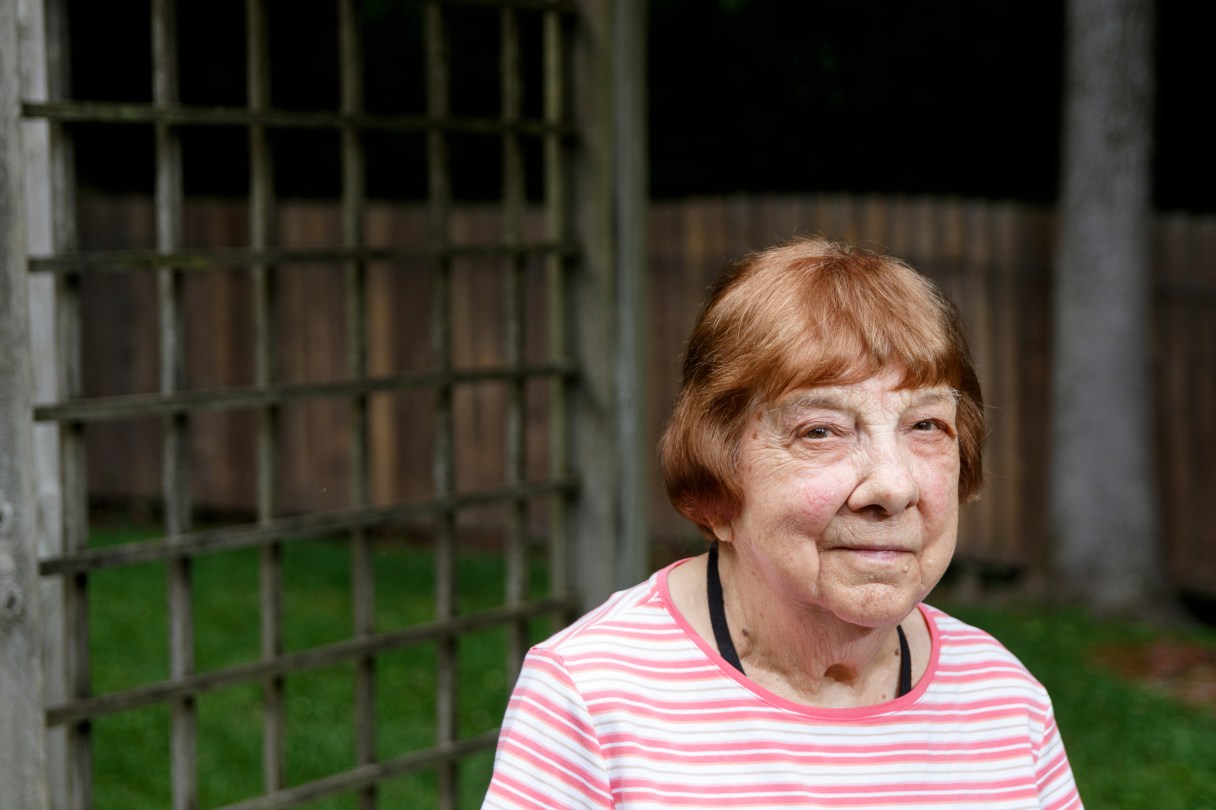
A Chattooga County, Georgia, nurse who landed on Omaha Beach four days after D-Day to treat the wounded is being remembered by family and community.
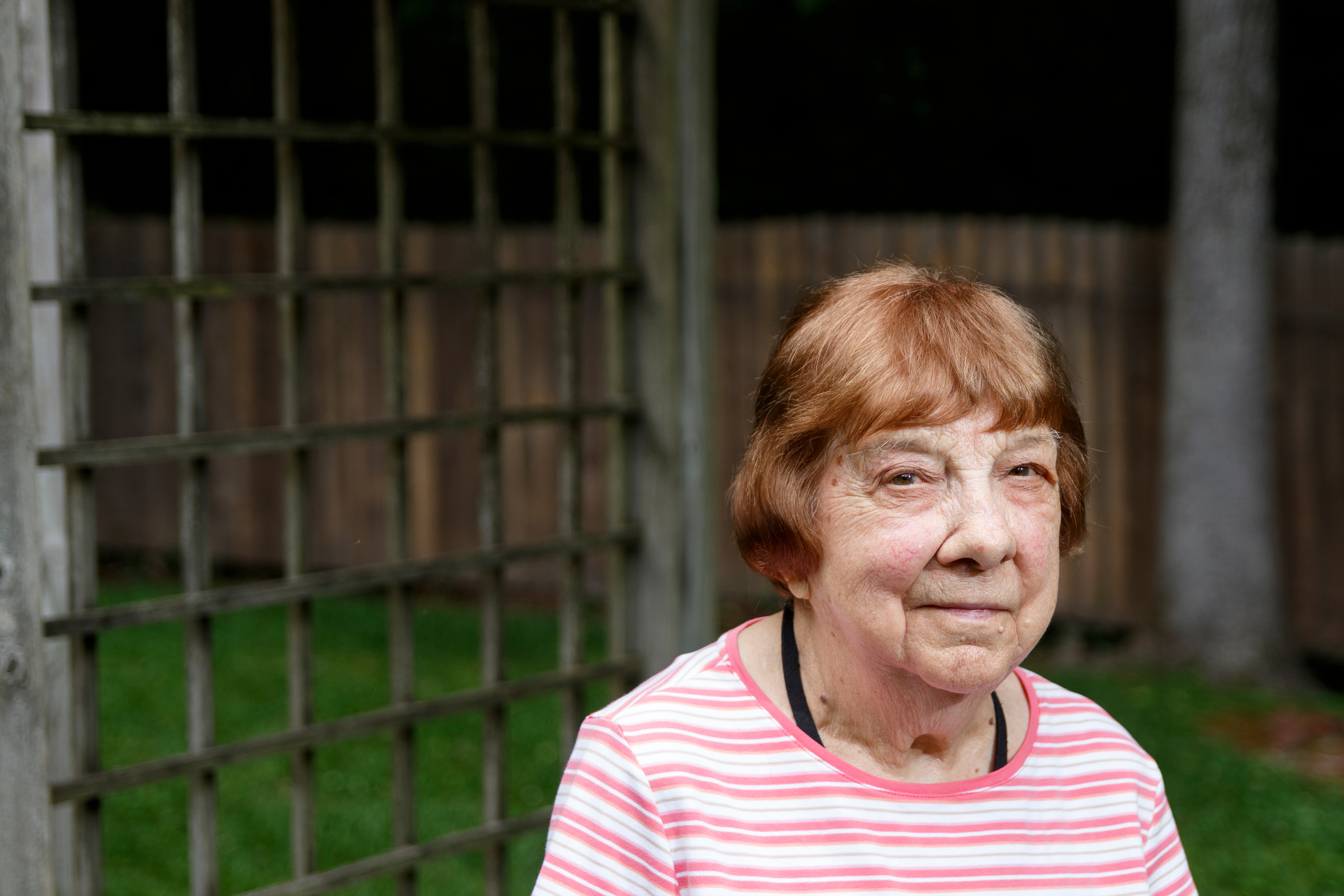
Rose Jackson, whose spirit of self-reliance and faith was forged by some of the most difficult events in this nation’s history, died at 104 on Jan. 23. She was a resident of Chattooga County for more than 70 years.
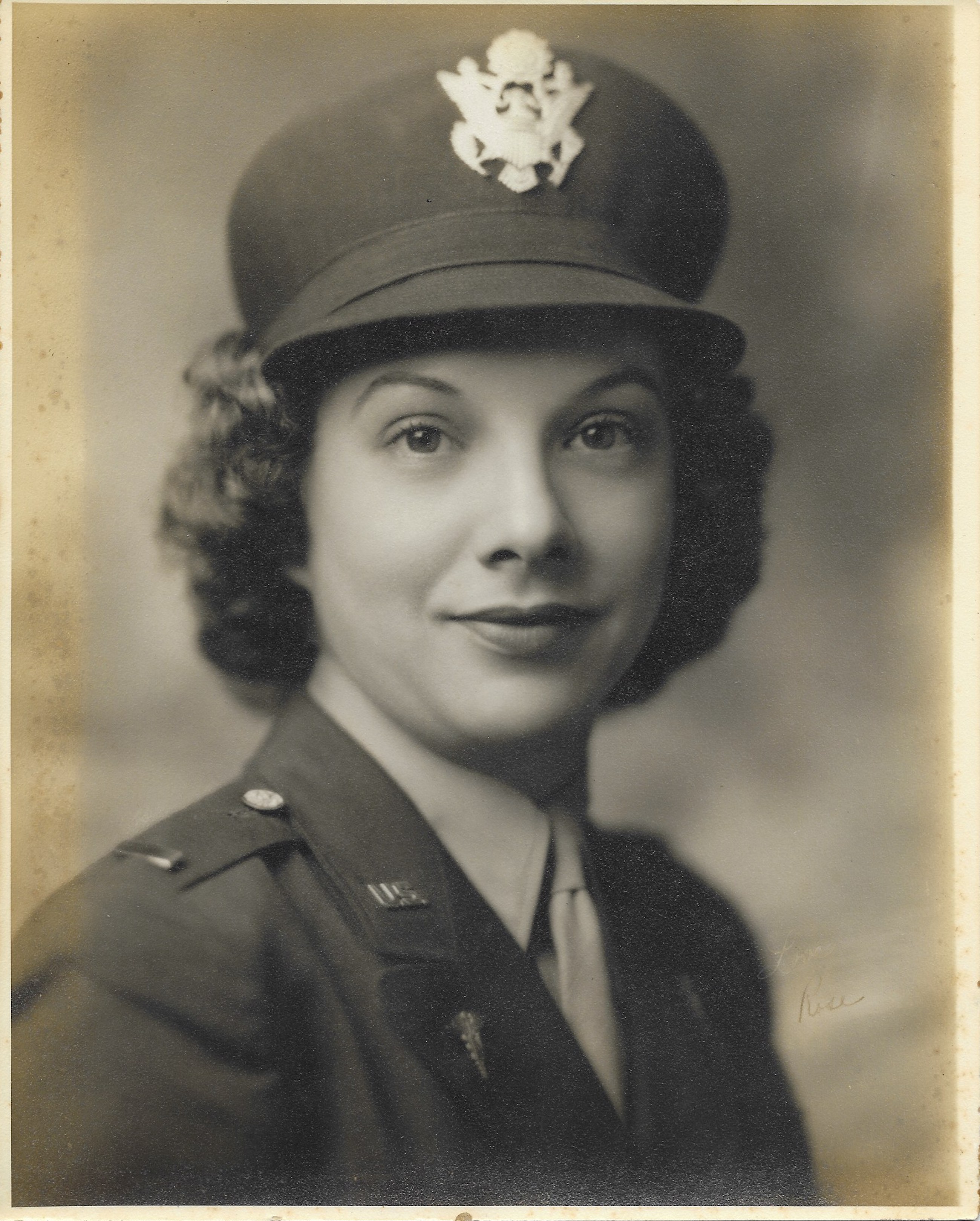
In her youth, she was a battlefield nurse who followed the U.S. Army from the D-Day invasion at the beaches of Normandy all the way into Germany, where the Nazis were defeated, said her nephew, Ken Henderson.
“She was a one-of-a-kind person. Like I said, you imagine being in the war and taking those troops in day after day after day after day… the conditions they were coming back in,” Henderson said in a phone interview. “They saw stuff that nobody should ever have to see.”
Jackson, who achieved the rank of first lieutenant, was one of 20 U.S. Army nurses with the 5th Evacuation Hospital, which landed in France on June 10, 1944, four days after D-Day.
(READ MORE: Local World War II veterans remember D-Day, what the anniversary means)
The 5th Evacuation Hospital crossed the English Channel on the British Infantry Landing Ship and debarked in barges and ferries, according to the World War II U.S. Medical Research Centre’s website. Hospital personnel, the website said, arrived to find a beach that looked more like a junkyard.
“Discarded equipment littered the beach, with items such as lifebelts, empty cartridge clips, canteens, web gear, rations and countless momentos of the battle that preceded the 5th’s arrival,” the website says.
“From then on, [what we saw was] fallen soldiers,” Jackson told the Times Free Press in 2018. “We went through five campaigns, so we got five battle stars.”
Jackson said the trip across the channel was no picnic.
“If you ever crossed the English Channel, you’re a dead duck,” she said. “Some of the boys got real sick. I mean, it was rocky.”
Born Rose Benedict, she didn’t talk much about what she endured during the war but always referred to the soldiers affectionately as “the boys” or “her boys.” During the war, she met and married Grover Jackson, a captain in her unit who was born and raised in Chattooga County.
After the war, they settled in Lyerly, Georgia, where he ran a hardware shop that served as a general store, selling carpet, appliances, penny candy and more, Henderson said. Rose Jackson helped out at the store.
“She was the one making sure nothing was pilfered,” Henderson said, “so an early security system.”
Rose Jackson worked as a nurse for Dr. G.H. Little for 23 years and Bigelow-Sanford Inc. for almost five years before retiring in 1972.
Grover Jackson died in 1986.
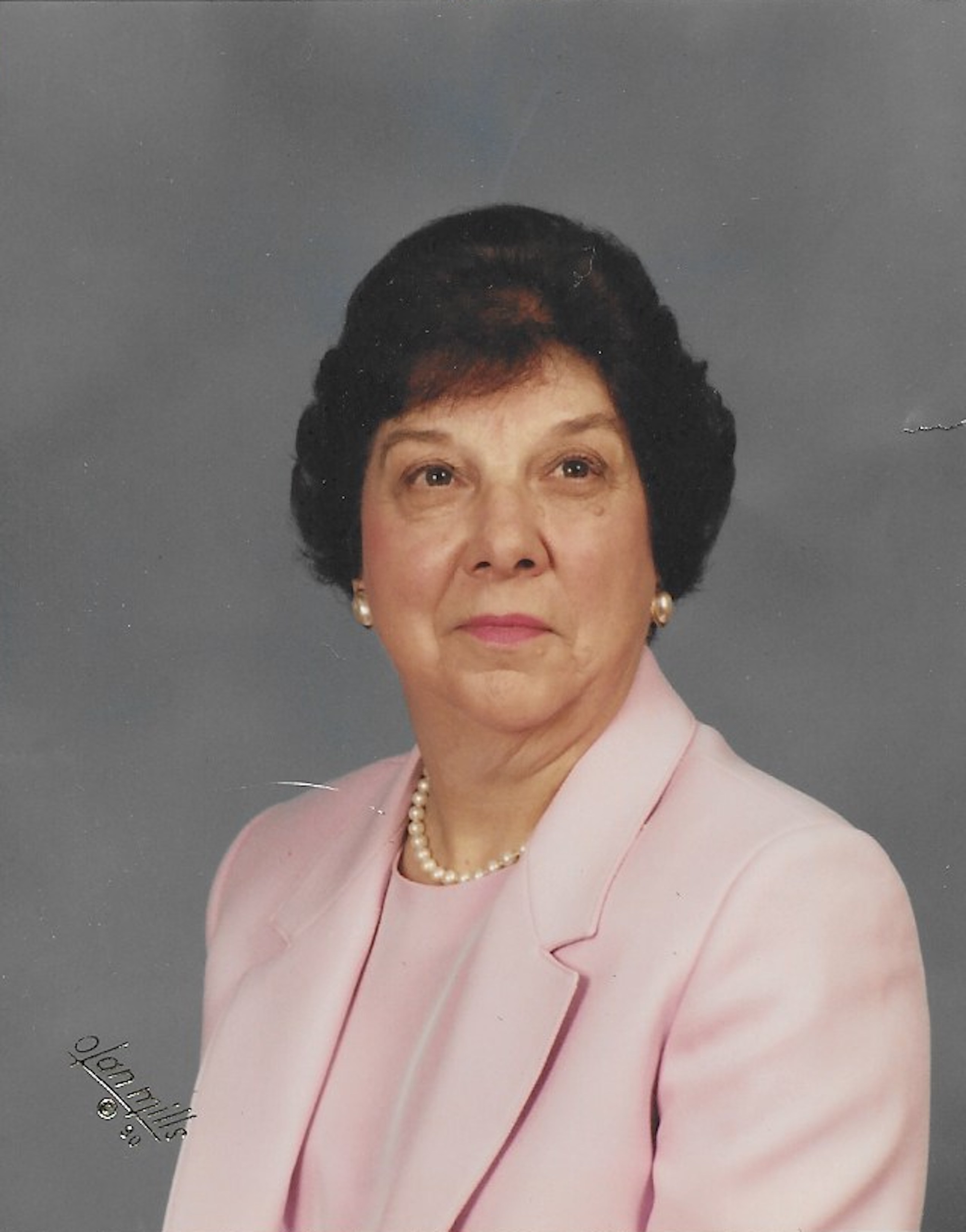
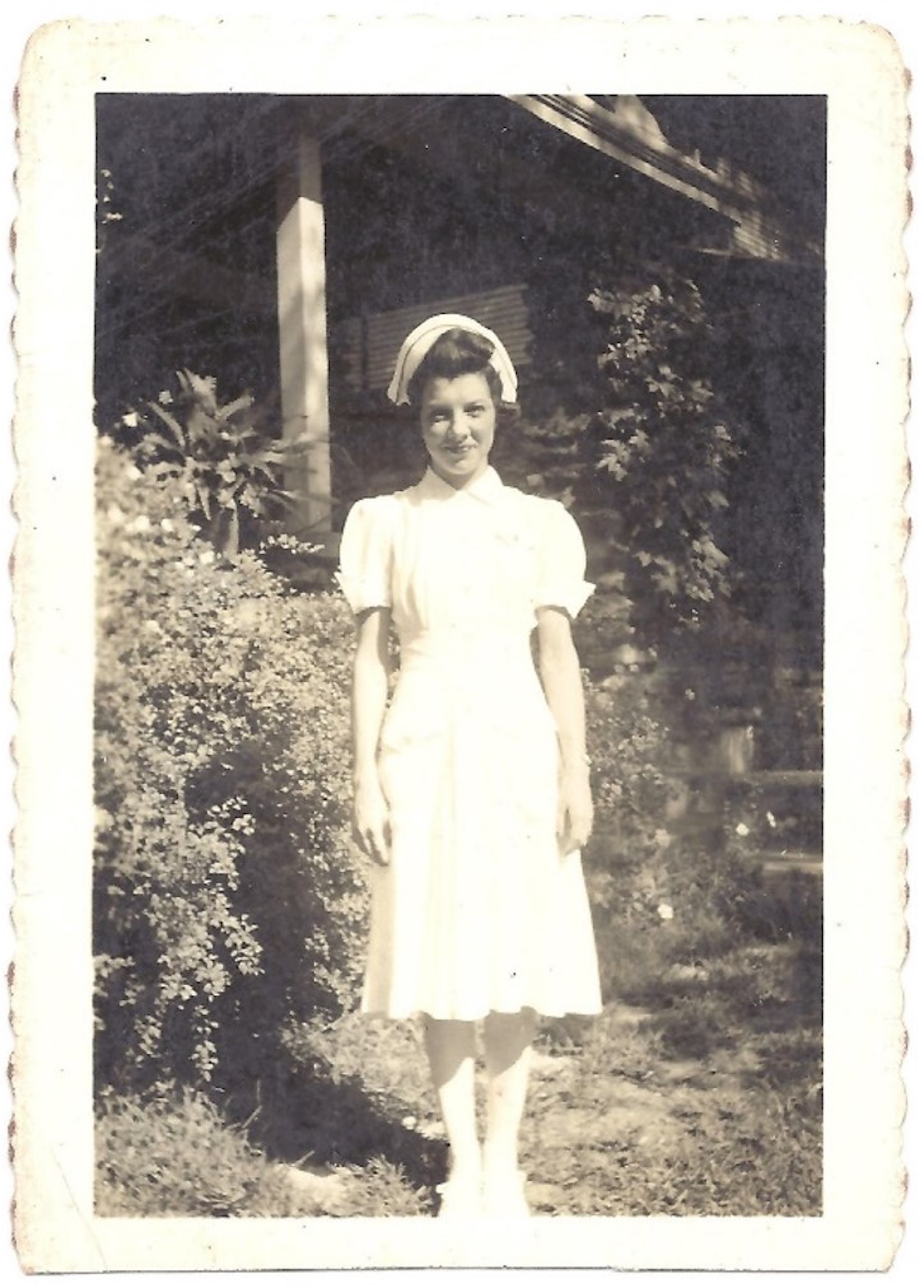

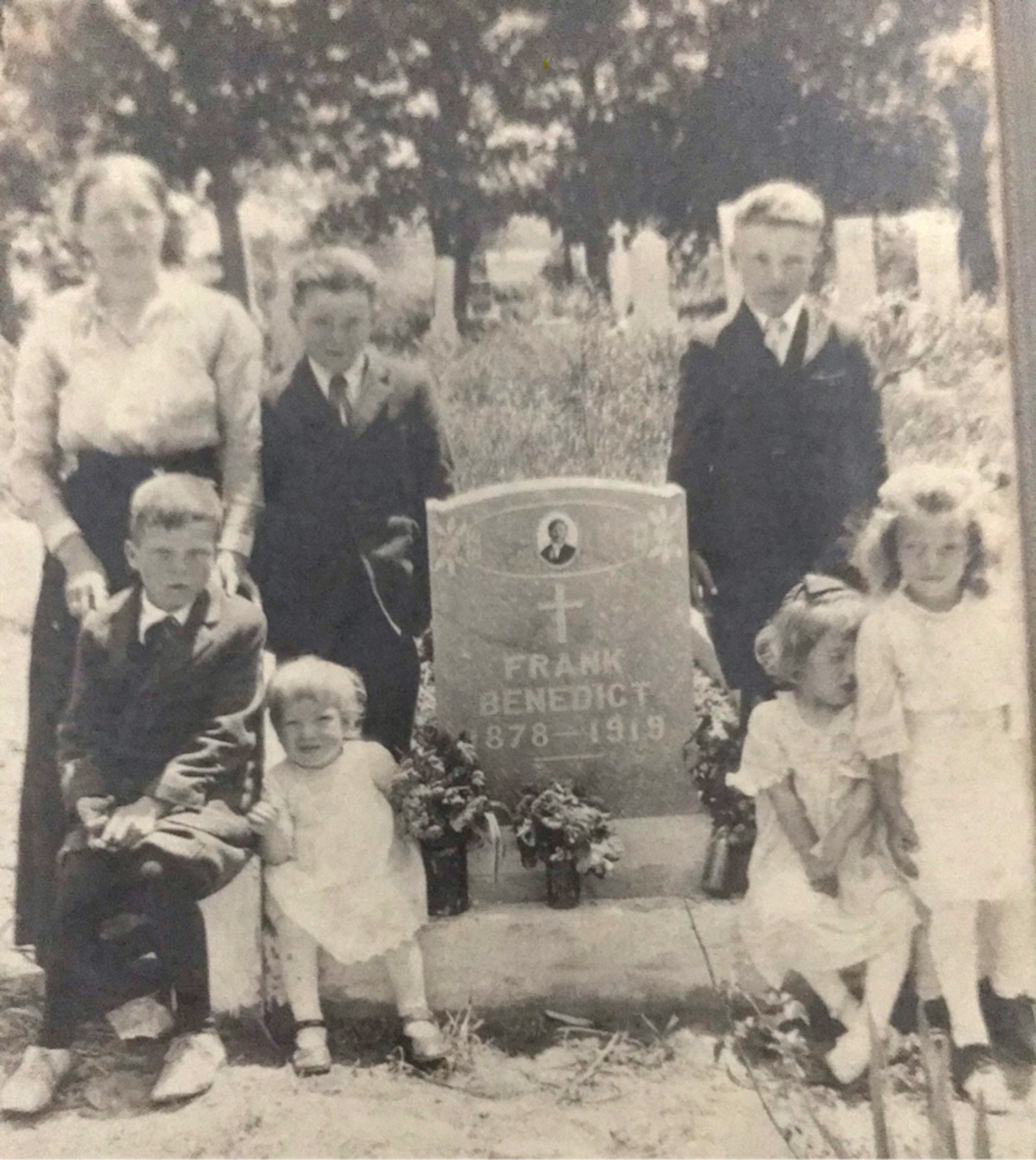
While comfortable and well-loved by her community in her autumn years, Jackson had a difficult upbringing in Pittsburg, Kansas, Henderson said. Her Austrian-born mother was widowed when Rose was just 2 years old, and she was raised with five other siblings during the Great Depression.
Without the help of public assistance, Rose’s mother raised chickens and worked odd jobs to make ends meet. To heat their home, the children walked the train tracks looking for bits of coal spilled from the train. A treat was a sprinkle of cinnamon and sugar licked from the top of a canning jar, Henderson said, because they had no money for candy.
Rose had a way about her that was strong and self-assured, said Marshall Bryan, pastor of United Methodist Church in Lyerly, in a phone interview. Rose attended church regularly until the pandemic, he said, carrying a large magnifying glass in her later years to help her follow along with the service.
“She was quite the character, very independent,” he said he told the congregation of Lyerly at her funeral Jan. 29. “You know she was a member of the Greatest Generation.”
Bryan said she had been a member of the church for multiple decades when he arrived as pastor 16 years ago. Jackson even lived long enough to make friends with some of the people she helped deliver as a nurse, Henderson said.
But the personal strength Bryan saw in Jackson didn’t minimize her faith, he remarked. Jackson’s relationship with Jesus Christ was paramount in her life, and Bryan said it was obvious by her words, deeds and life lived.
For all she’d seen in her life, Jackson was fairly quiet, Bryan said, but still loved and respected by all the younger generations.
“D-Day, really, you stop and think,” Jackson said in a Times Free Press interview when she was 100. “Cause that was some day, that D-Day was. Don’t you think? … So many people lost their lives. And you just don’t think about it.”
Jackson is survived by Henderson of Ocala, Florida, and nieces Barbara Deane of Kansas City, Missouri, and Rosemary Macisaac of Escondido, California.