
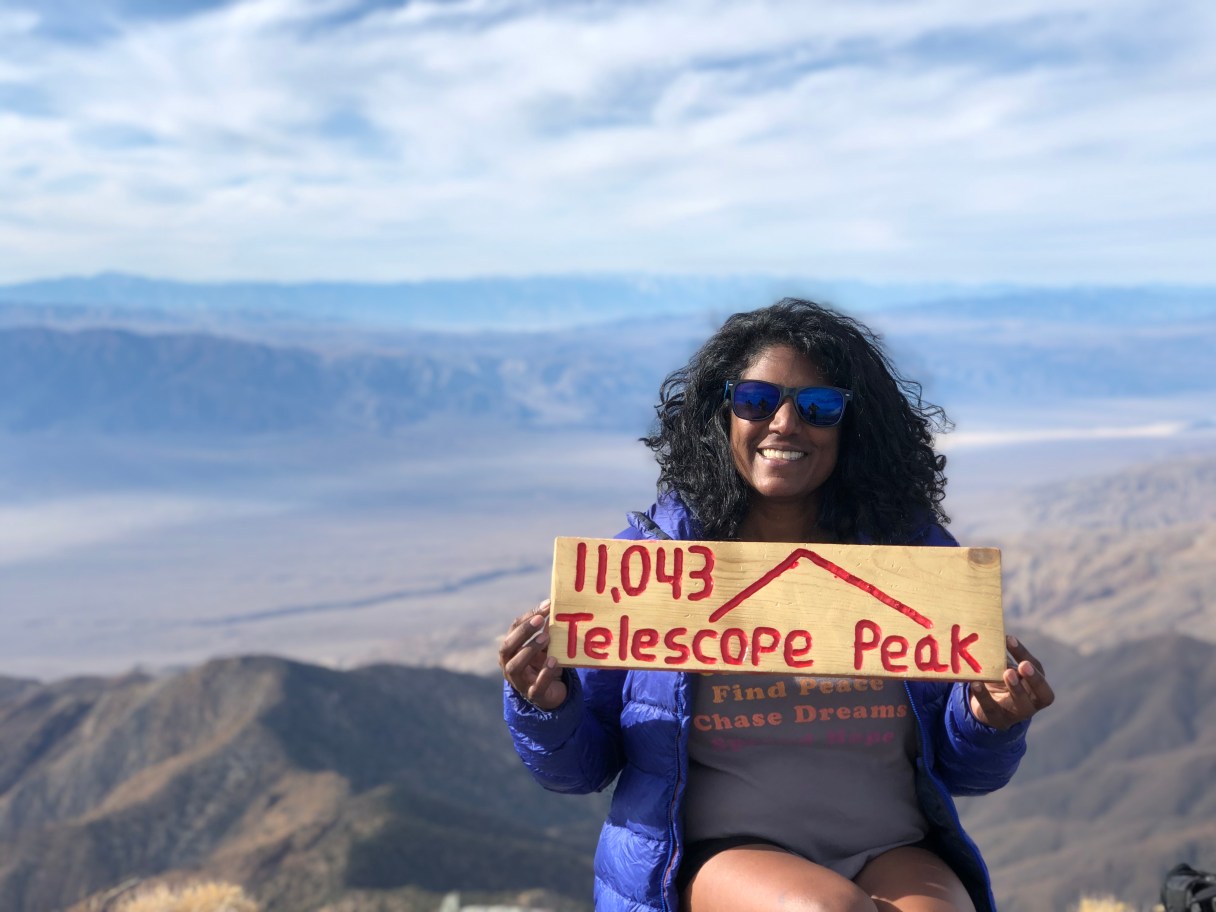
Candace Litchfield had a busy three months at work.
It also was a relaxing three months not working.
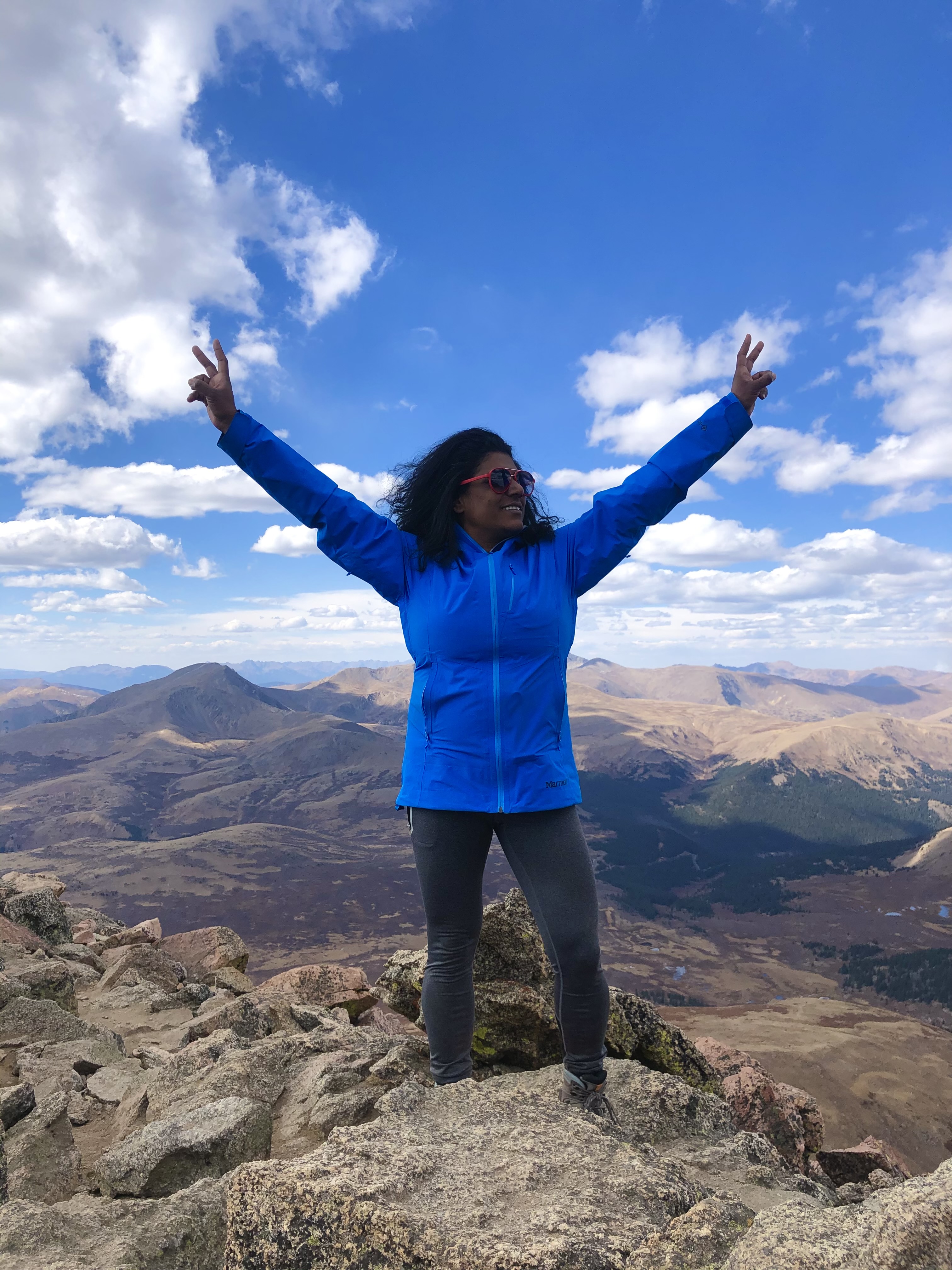
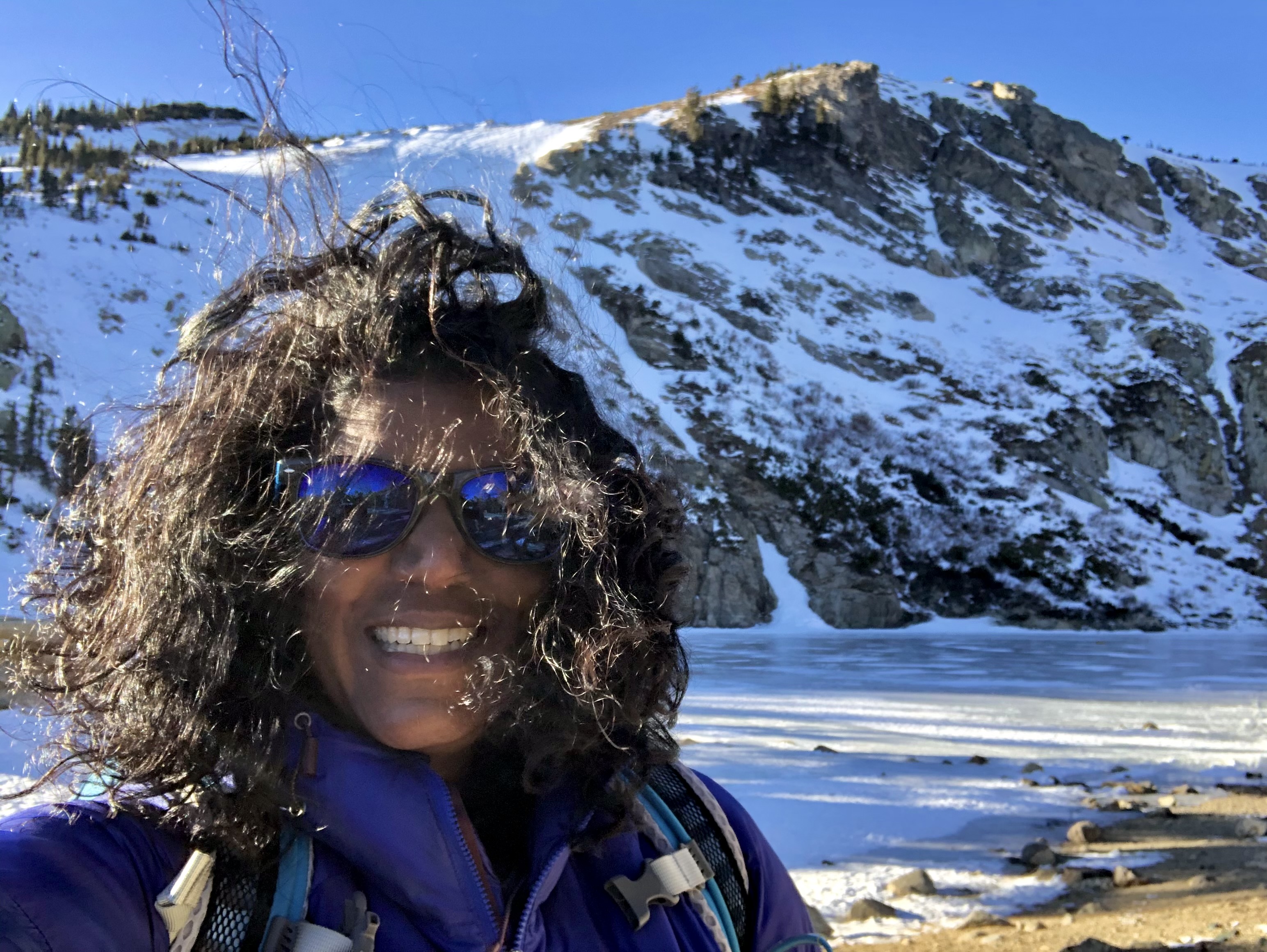
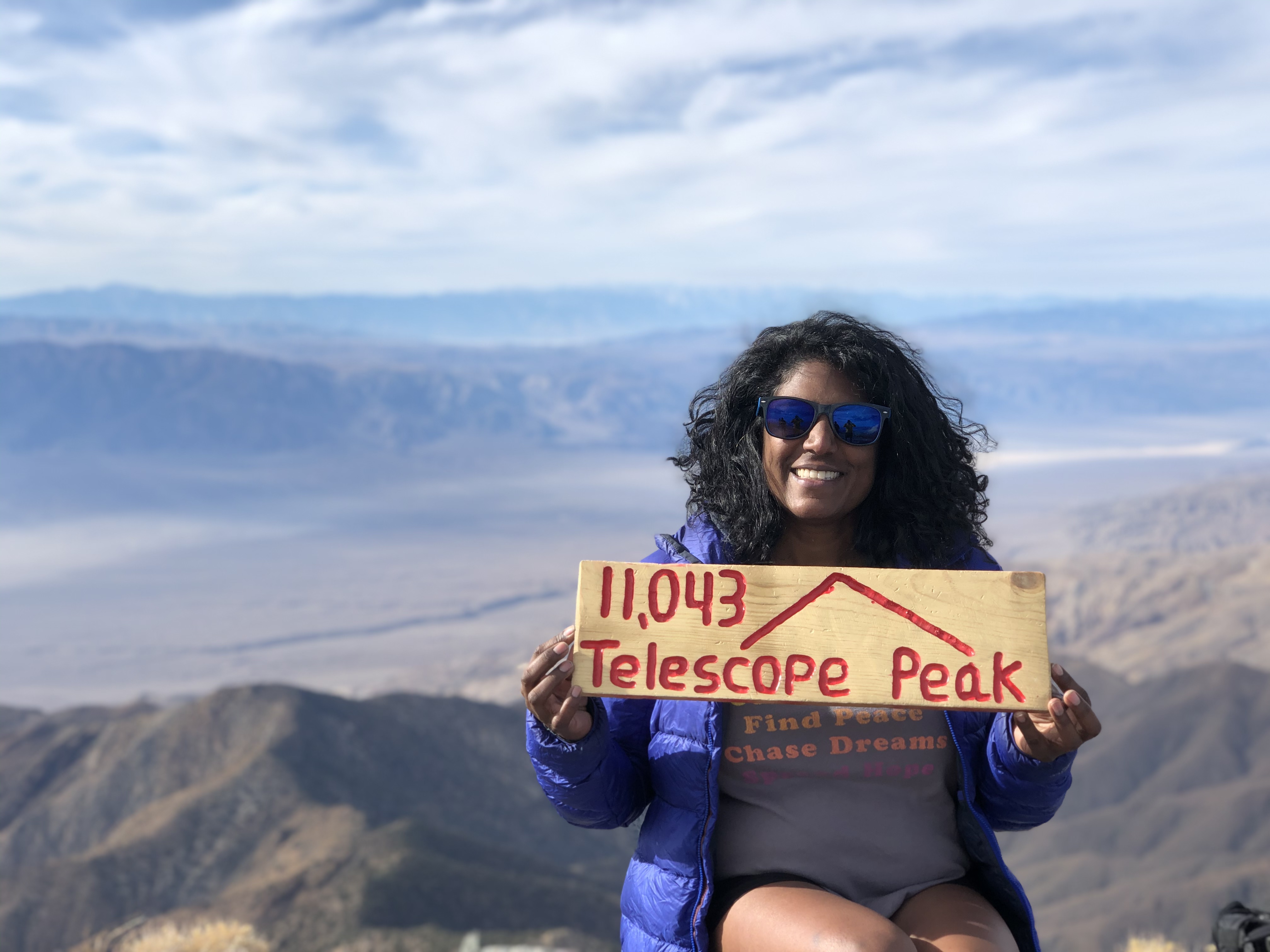
Last summer, she packed up her SUV and headed west, eventually hitting 12 national parks, including Sequoia, Kings Canyon, Joshua Tree and Rocky Mountain.
“I did a big loop,” she says.
Tracking down free Wi-Fi at each stop, she got up about 5 a.m. to take care of her duties as public relations and advocacy director at Chattanooga Tourism Co. Once work was done, she’d head out to see the sights, maybe a bit of adventure.
“I stayed in Death Valley National Park for a week. I would be done with work at two- or three-ish, so then I got to go and explore every day, and that was just awesome. I got to sleep at 190 feet below sea level.”
First, there were vacations. Then staycations. Now there are “workcations.”
Say you’ve got a business conference in another city. Come in a couple of days earlier or leave a couple of days after everything is over. See the sights.
Or, as is happening in an increasing number of cases, take the family on a normal vacation, but work a few hours in the morning before everyone wipes the sleep from their eyes. Finish for the day about noon or early afternoon, then become a tourist.
For many, COVID-19 turned working from home into standard practice instead of an exception. Without workplace distractions, some discovered it was possible to do their job just as efficiently, even if they weren’t sitting at an office desk.
The workcation was born.
“You’re seeing individuals taking advantage of the opportunity to be out of the office and on the road,” says Kacey Swindell, director of sales and marketing at Moxy Chattanooga Downtown.
Workcations by the numbers
> 75 million, number of U.S. employees with a job that allows for remote work due to COVID-19 > 85, percent of millennial workers that say they want flexible work > 20, percent increase in productivity found among remote workers > 75, percent that say remote work has made work-life balance more achievable > 74, percent of Americans working from home who say they’ve considered a workcation > 61, percent of workers in the Southern U.S. who say that remote work has encouraged them to explore new places > 12, percent increase in the average hotel length of stay compared to 2019 (sources: Harris Poll; Priceline)
She’s seen an uptick in workcation-ers, both those traveling strictly for business and others in town for business with fun tossed in.
“They think, ‘Hey, we’re working remotely. Kids are in school remotely. Why don’t we go remotely and do this somewhere else?'” she explains. “Maybe mom or dad is taking a few hours of calls and emails, then they explore Chattanooga in the late afternoon.”
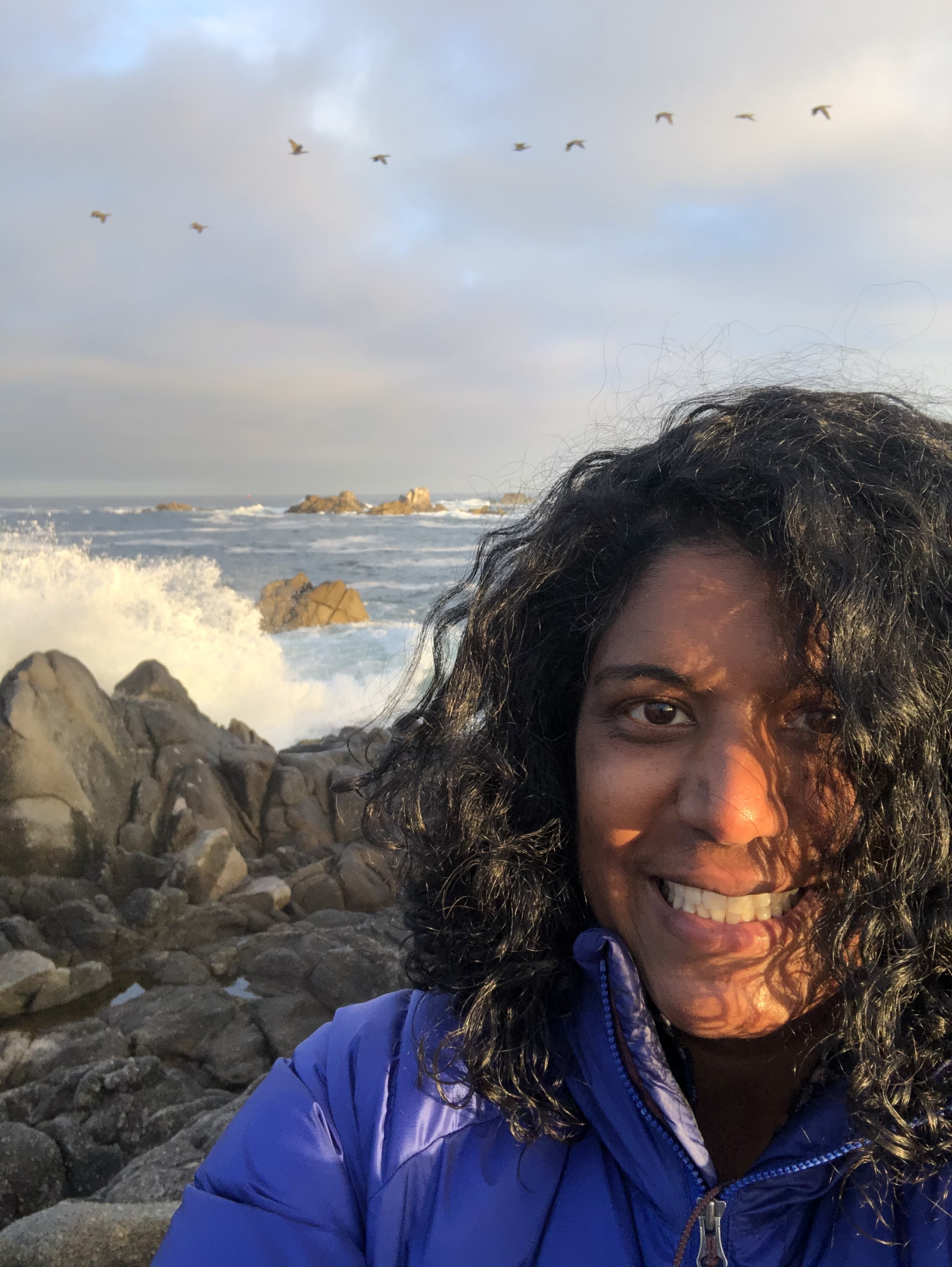
On her journey, Litchfield tried to see either the sunrise or the sunset in each stop.
“It was really fun to be able to do that, to just being away from your everyday life and your normal routines,” she says.
Beyond the ability to take in nature’s beauty, she discovered an added bonus.
“It opens up your mind, and I was definitely a lot more creative.”
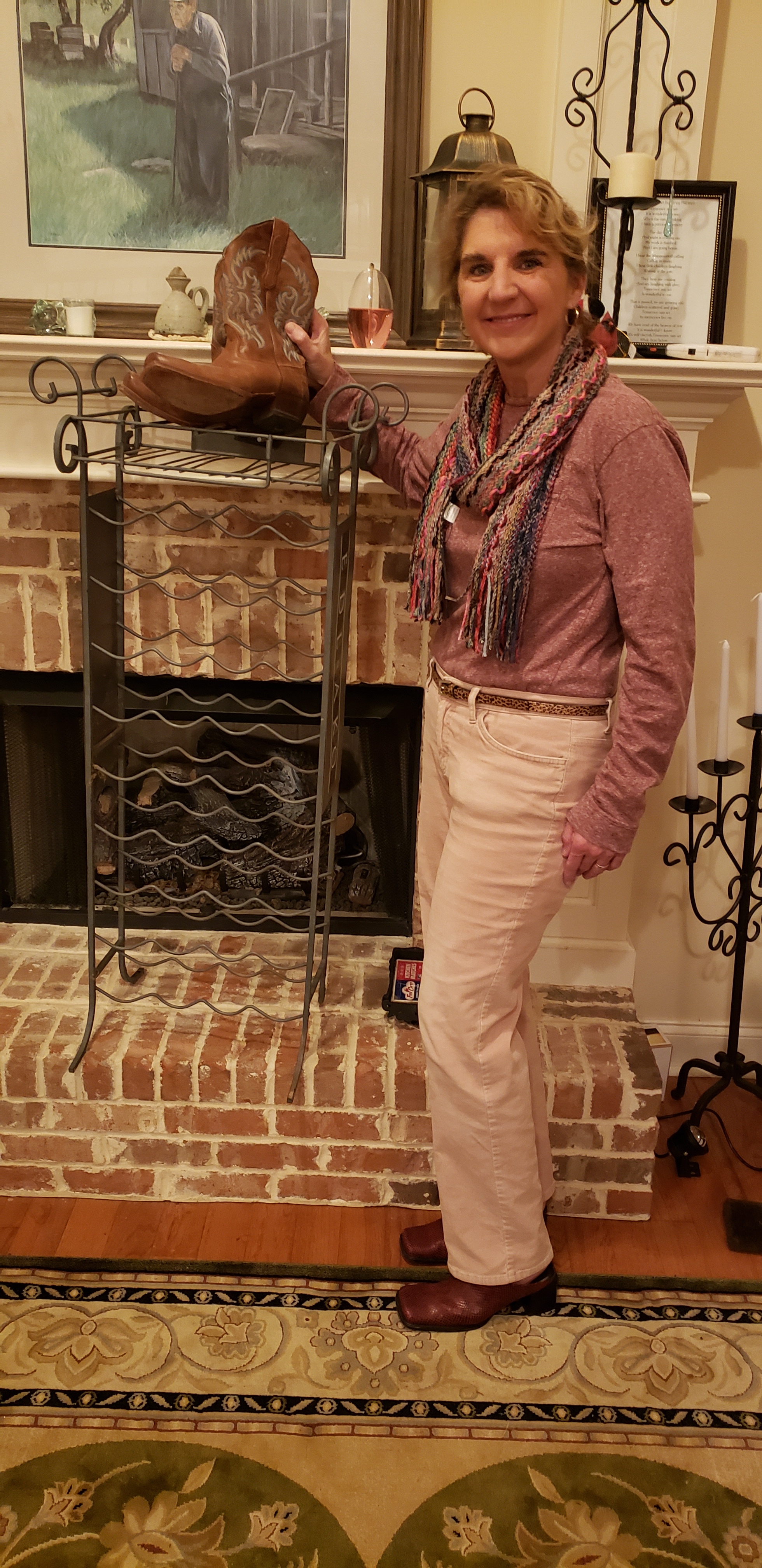
Dee Harwell, a registered dietitian and president of Dynamic Dietetics in Cleveland, Tennessee, has only taken one workcation, but she vows to take more.
In a recent trip to Clarksville, Tennessee, to work with the Montgomery County Head Start program, she drove up a day early so she’d have time after work to enjoy her favorite off-hours activity.
“I went up on a Sunday night, so I could be at work early Monday and get off earlier so I could go junkin’,” she says.
Spending about four hours on her hunt after her workday was over at Head Start, she visited local antique and thrift stores where she found a set of 1970s-style high-top chairs – in the ferocious tangerine orange of the decade – plus some end tables and a bookcase. She eventually hit six stores in her one-day travels.
“There’s so much cool stuff, and you get great deals,” she says.
She returns to Clarksville in a couple of months and already is gearing up for her next workcation. From here on out, when she takes a business trip, she’ll make sure to give herself time for a little junkin’, she says.
“I’m easily amused.”
Top 10 cities worldwide for working vacations
Holidu, a German-based search engine for vacation rentals, recently compiled a “workcation index” for 2021. Using data from Trip Advisor and bestcities.org, as well as factors ranging from Wi-Fi speeds to monthly rent on a one-bedroom apartment, the list determined the top 150 cities for mixing business and pleasure. Los Angeles was the highest-ranking American city, coming in at No. 30. 1. Bangkok, Thailand 2. New Delhi, India 3. Lisbon, Portugal 4. Barcelona, Spain 5. Buenos Aires, Argentina (tie) 5. Budapest, Hungary (tie) 7. Mumbai, India 8. Istanbul, Turkey 9. Bucharest, Romania 10. Phuket, Thailand