
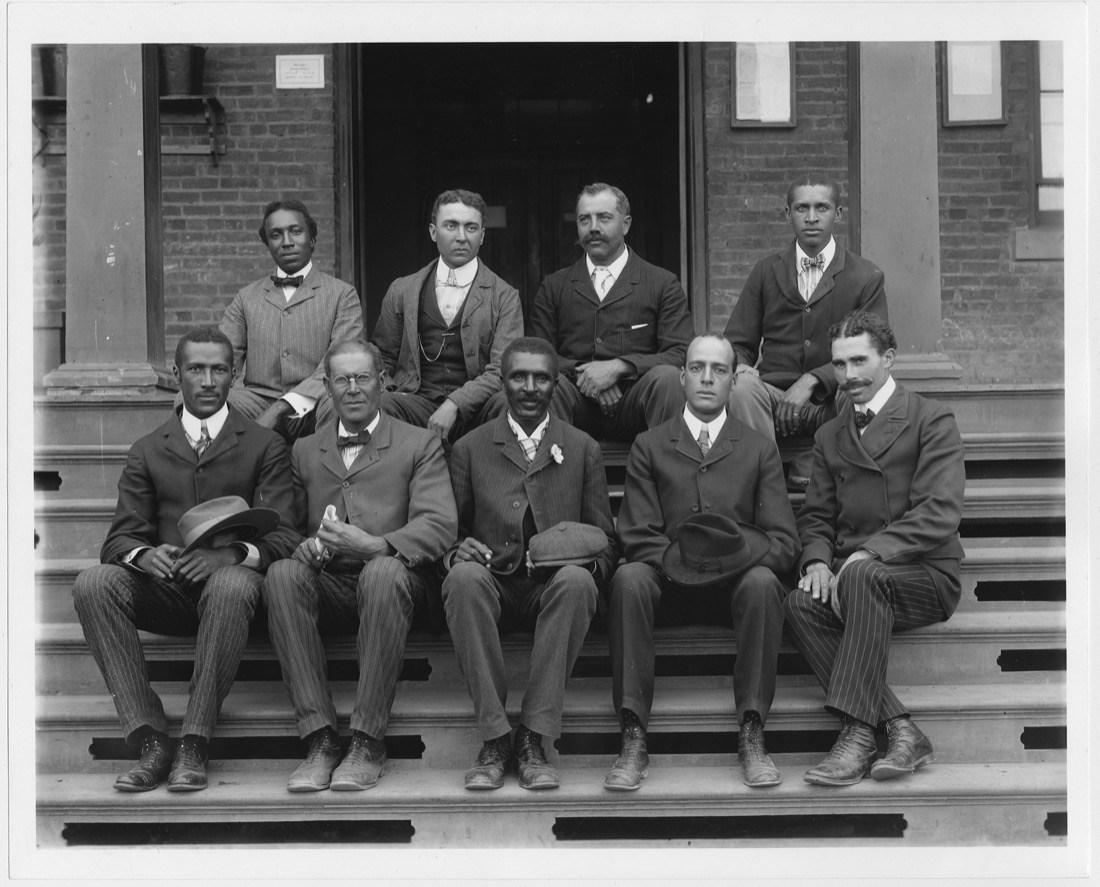
The achievements of George Washington Carver, the 19th century scientist credited with hundreds of inventions, including 300 uses for peanuts, have landed him in American history textbooks.
But many other agricultural practices, innovations and foods that traveled with enslaved people from West Africa – or were developed by their descendants – remain unsung, despite having revolutionized the way we eat, farm and garden.
Among the medicinal and food staples introduced by the African diaspora were sorghum, millet, African rice, yams, black-eyed peas, watermelon, eggplant, okra, sesame and kola nut, whose extract was a main ingredient in the original Coca-Cola recipe.
Whether captives smuggled seeds and plants from aboard slave ships or captains purchased them in Africa for planting in America, key components of the West African diet also journeyed along the Middle Passage across the Atlantic.
After long days spent working on the plantation’s fields, many enslaved people grew their own gardens to supplement their meager rations.