
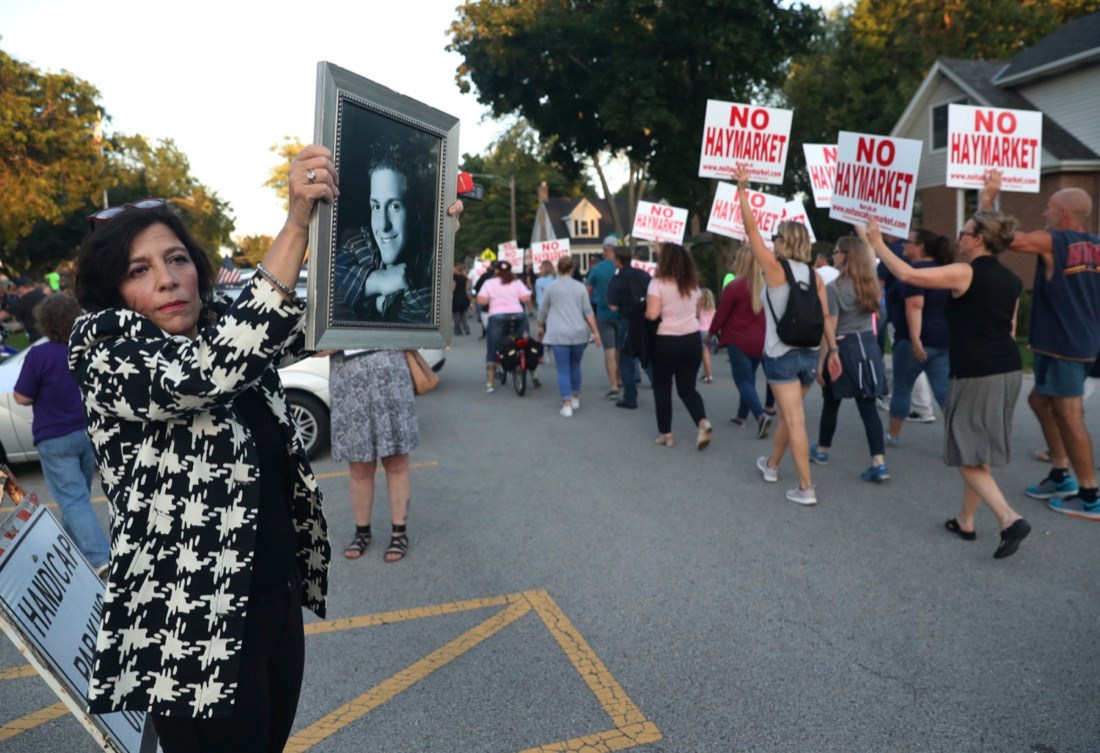
CHICAGO (AP) – A Chicago-based addiction treatment center, which like others nationwide has faced fierce opposition to opening suburban branches, filed a federal lawsuit Tuesday to force one suburb to stop blocking its expansion plans.
The suit brought by the Haymarket Center, the largest nonprofit treatment service in Chicago, says the city of Itasca’s rejection of a 240-bed facility in a former hotel violates U.S. laws, including the Americans with Disabilities Act, that bar discrimination against those recovering from addictions.
Elsewhere, including in Florida, Massachusetts, New Jersey and Michigan, communities have also thwarted the opening of such facilities. Treatment advocates say the resistance highlights how everyone seems to recognize the need for the facilities amid the ongoing opioid crisis – but bristle at putting them in their neighborhoods.
In November, the Centers for Disease Control and Prevention said drug overdoses spiked during the pandemic, registering more than 100,000 overdose deaths from April 2020 to April 2021 – a U.S. record for a 12-month stretch. It was an increase of nearly 30% from the roughly 78,000 deaths over the same period the year before, the CDC reported.
Many residents in Itasca, a middle-class community of 9,000 people, mounted a two-year battle against the Haymarket facility, saying they feared it would lead to an uptick in crime and lost tax revenue, as well as strain Itasca’s one-ambulance emergency service. Opponents held street marches and handed out yard signs that read, “No Haymarket.”