
Friday, October 30, 2026Oct 30

This story is free to read.

EXPLAINER: Why US inflation is so high, and when it may ease

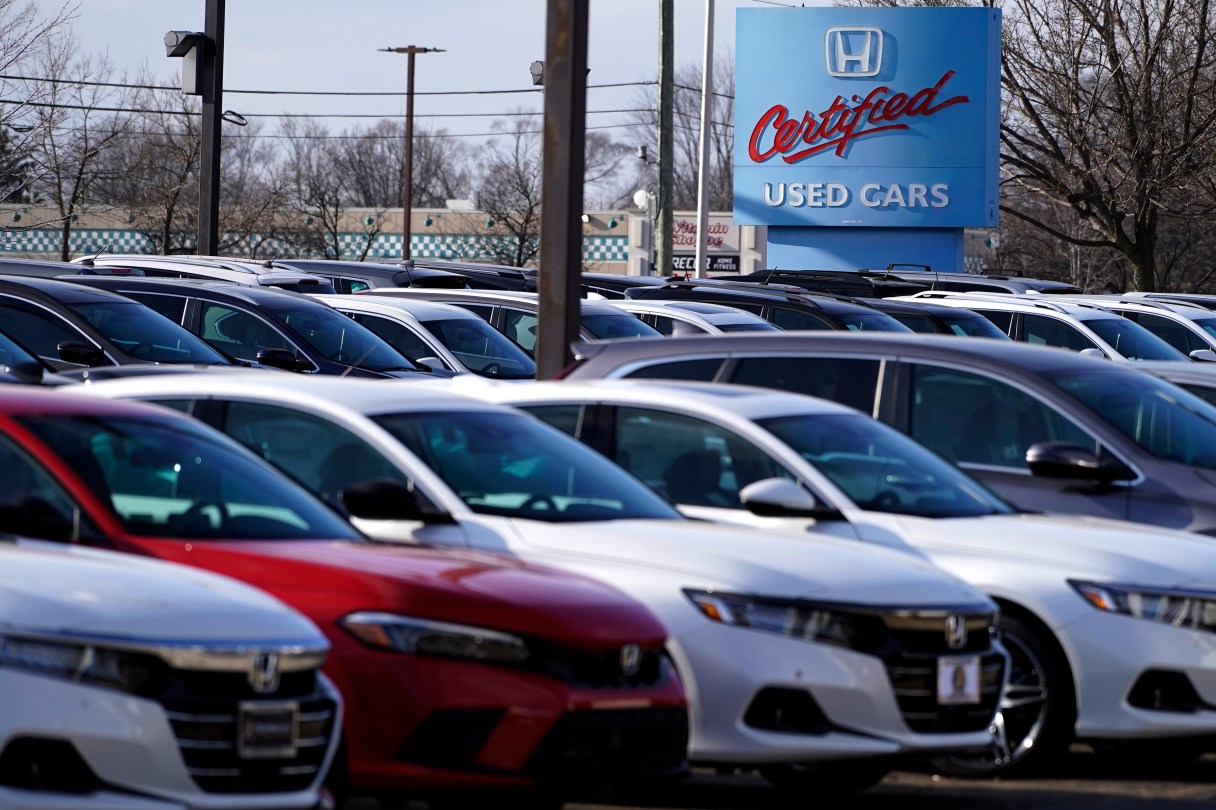
A dealership sign is seen outside of a Honda certified used car dealership in Schaumburg, Ill., Thursday, Dec. 16, 2021. Prices paid by U.S. consumers jumped in December 2021 compared to a year earlier, the latest evidence that rising costs for food, gas, rent and other necessities are heightening the financial pressures on America's households. (AP Photo/Nam Y. Huh)
A dealership sign is seen outside of a Honda certified used car dealership in Schaumburg, Ill., Thursday, Dec. 16, 2021. Prices paid by U.S. consumers jumped in December 2021 compared to a year earlier, the latest evidence that rising costs for food, gas, rent and other necessities are heightening the financial pressures on America's households. (AP Photo/Nam Y. Huh) A dealership sign is seen outside of a Honda certified used car dealership in Schaumburg, Ill., Thursday, Dec. 16, 2021. Prices paid by U.S. consumers jumped in December 2021 compared to a year earlier, the latest evidence that rising costs for food, gas, rent and other necessities are heightening the financial pressures on America's households. (AP Photo/Nam Y. Huh)

WASHINGTON (AP) – At first, it didn’t even register as a threat. Then it seemed like a temporary annoyance.

Now, inflation is flashing red for the Federal Reserve’s policymakers – and delivering sticker shock to Americans at the used car lot, the supermarket, the gas station, the rental office.

On Wednesday, the Labor Department reported that consumer prices jumped 7% in December compared with 12 months earlier – the hottest year-over-year inflation since June 1982. Excluding volatile energy and food prices, what is called “core” inflation rose 5.5% over the past year, the fastest such pace since 1991.

Bacon prices are up nearly 19% from a year ago, men’s coats and suits nearly 11%, living and dining room furniture more than 17%. Renting a car will cost you 36% more, on average, than it did in December 2020.

“Prices are increasing broadly throughout the economy, and the Federal Reserve has been caught off-guard by the extent of inflation,” said Gus Faucher, chief economist at PNC Financial.