
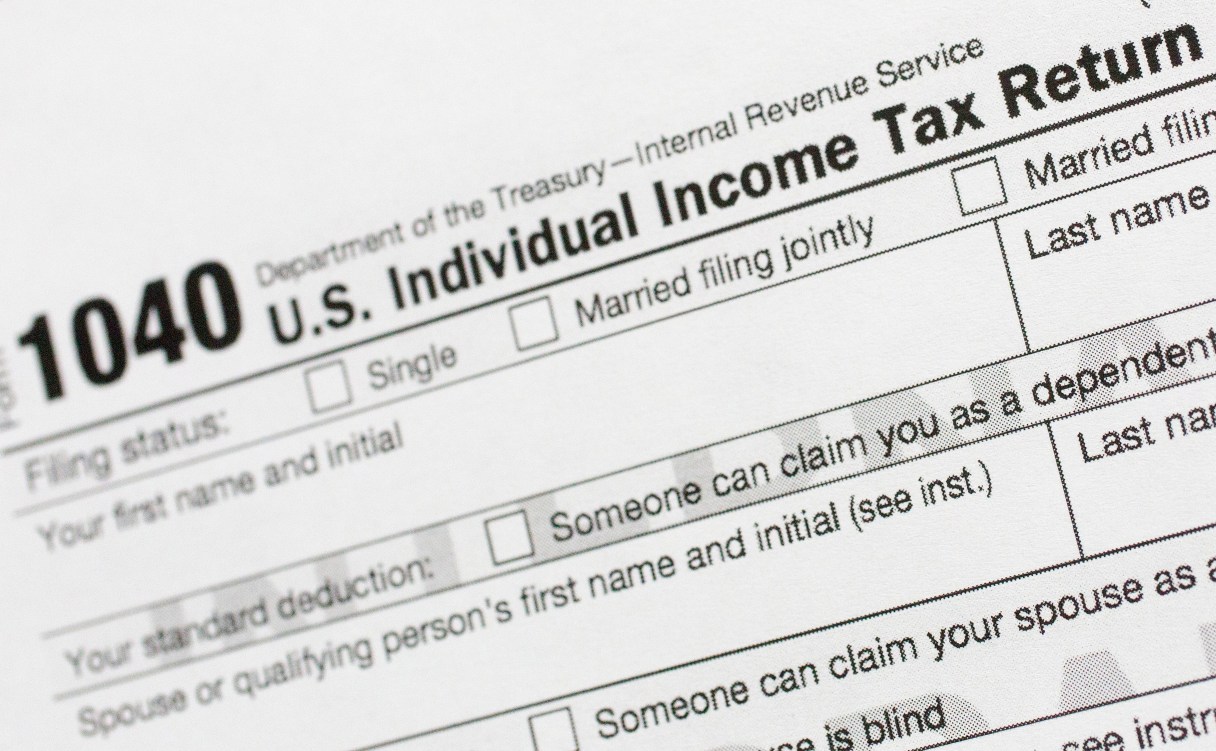
In what even the U.S. Treasury says will be a frustrating tax season, families claiming the child tax credit and newly self-employed Americans are among filers likely to see the biggest challenges this year.
The season starts Monday, and while Internal Revenue Service teams have been working “non-stop” for several months, years of funding and personnel cutbacks, along with a backlog of several million tax returns from previous years, will hamper the agency’s abilities to respond as swiftly as in the past.
With slim chances of reaching the IRS by phone, recipients of the child tax credit may face particular issues. Half of the up-to $3,600 credit per child for 2021 was already distributed via monthly payouts, meaning the credit should be half the size of last year’s. Taxpayers will also need to report the dollar amount for what they already got in 2021 – as stated on a mailed IRS form that they might or might not have received, opened and saved.
For those who drew on unemployment insurance last year and started their own small business or “side hustle,” returns are especially complex, tax accountants say. And businesses counting on an employee-retention perk might not have noted that this benefit ended three months early.
“The pandemic and the staffing shortages and budget cuts over the years – it’s all added up to kind of create this perfect storm of just a disappointing tax season,” said Bryan Cannon, CEO of Cannon Advisors, a Charlotte, North Carolina-based financial advisory services firm. “It’s been an open wound that’s been occurring for a while, and the pandemic has basically dumped salt on it.”