
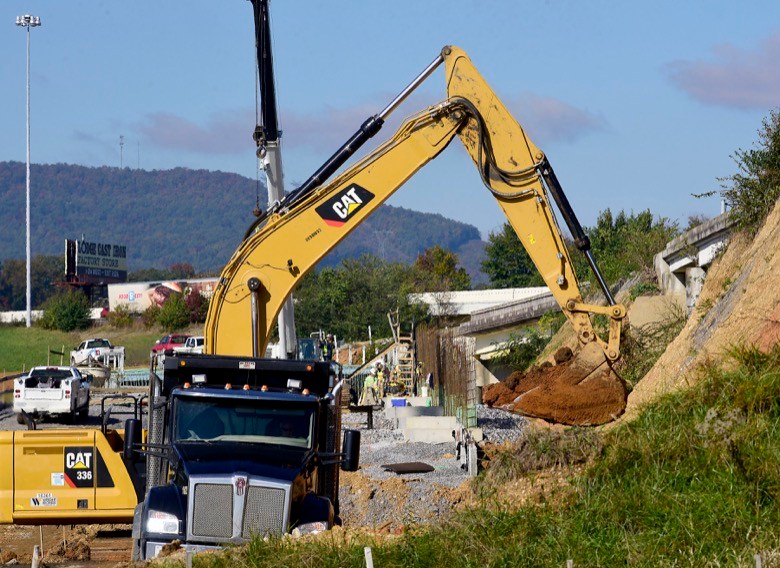
NASHVILLE – A just-released inventory of Tennessee’s public infrastructure needs reveals $61.94 billion in demands, with over half the money required for transportation, followed by higher education, K-12 school renovations, water and wastewater projects and new public schools and additions.
Generated by the Tennessee Advisory Commission on Intergovernmental Relations, the report is based on information provided by the state and Tennessee’s 95 counties. The newly released inventory includes projects that need to be in some stage of development during the five-year period from July 2020 through June 2025.
Tennessee’s statewide estimated needs for transportation projects totaled $34.12 billion, including costs associated with phases of conceptualization, planning, design and construction. Higher education came in at No. 2, totaling $6.59 billion. Coming in at No. 3 were K-12 school renovations, with $5.28 billion in needs.
Water and wastewater infrastructure was fourth at $4.93 billion in stated needs, while new public schools and additions came in fifth at $3.2 billion.
Tennessee Advisory Commission on Intergovernmental Relations Executive Director Cliff Lippard told Senate Finance Committee members Tuesday that lawmakers in 1996 charged the advisory commission with developing and maintaining an inventory for public infrastructure needs. The purpose, Lippard said, is so state, municipal and county governments can develop goals, strategies and programs to improve its citizens’ quality of life, support livable communities while enhancing and encouraging overall economic development across the state.