
Surveys find 81% of U.S. adults support voter ID requirements. Yet President Joe Biden recently condemned state election integrity laws that strengthen voter ID protections and ensure the accuracy of voter registration rolls as “Jim Crow 2.0.” This supposed “threat to our democracy” is so grave that Biden equated those who support them with overt racists like Bull Connor and George Wallace.
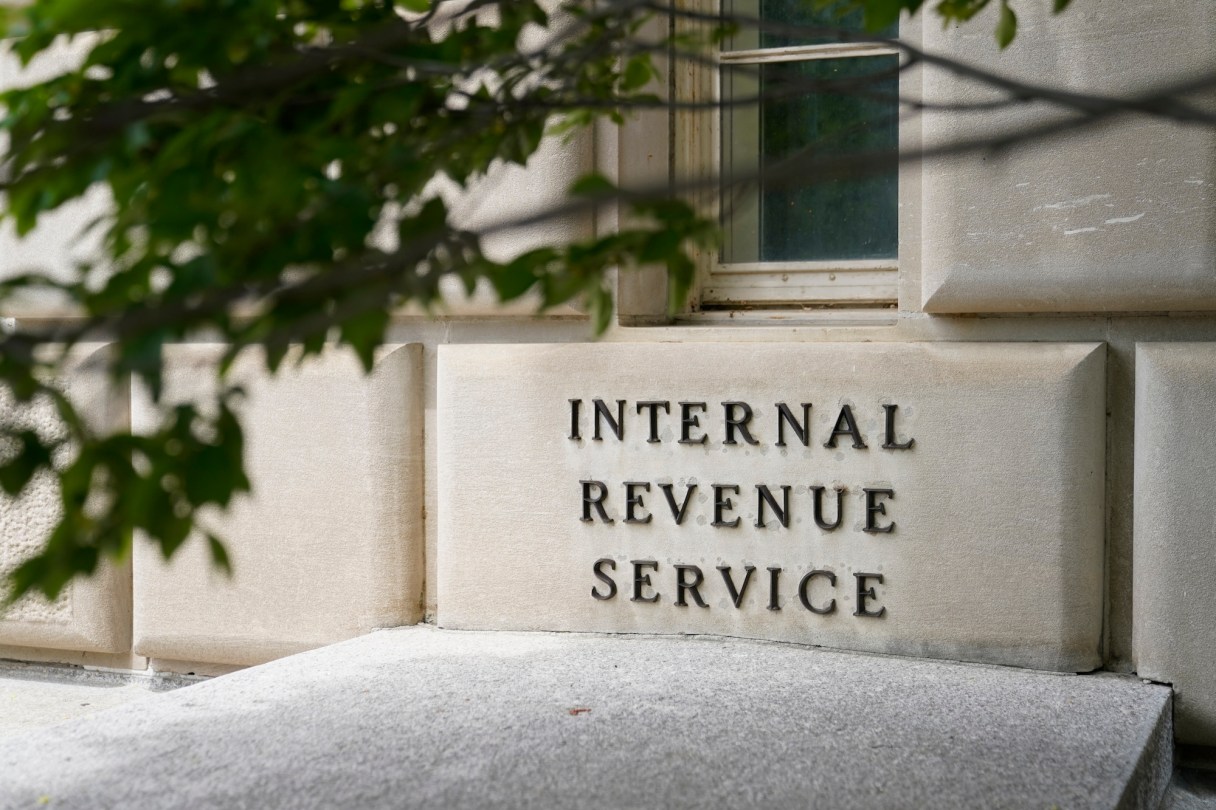
But if the president thinks checking IDs and verifying voter rolls is racist, how can he condone the new IRS procedures requiring taxpayers to give a private company a copy of their government-issued photo ID – as well as their email address, phone number, Social Security Number and a video selfie taken with a smartphone or computer – before they can gain access to basic tax services on the IRS website? Is Biden’s IRS engaging in “Jim Crow 3.0?”
Actually, the IRS’s demands of taxpayers smack more of dangerous Big Brotherism than racism. For example, if ID.me, the Virginia-based company being entrusted with taxpayers’ private information, is unable to verify users’ identity with the information, users will then have to join a video call with a “trusted referee” to “answer a few questions.”
ID.me will use the video selfies – which all users must provide – to collect biometric data, including voiceprints and facial geometry recognition. Taxpayers must sign a consent form for the company to collect this data, and the form allows ID.me to “reserve the right to change or modify this Biometric Consent.”
Many taxpayers won’t fully understand what information is being collected or how it will be used. How many people read all the consent forms they sign? Even if they do, taxpayers may have no choice but to consent if they need to access their online account, get their tax records, or update their child tax credit credit information.