
Across Europe, signs of distress are multiplying as Russia’s war in Ukraine drags on. Food banks in Italy are feeding more people. German officials are turning down the air conditioning as they prepare plans to ration natural gas and restart coal plants.
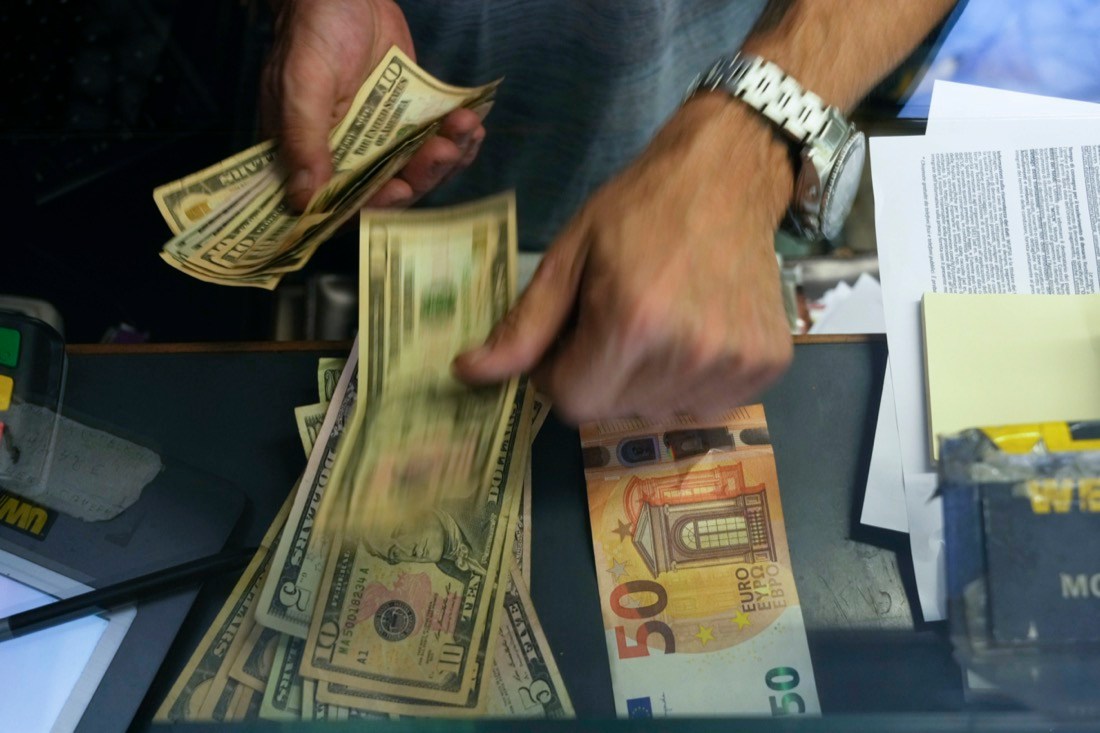
A giant utility is asking for a taxpayer bailout, and more may be coming. Dairies wonder how they will pasteurize milk. The euro has sagged to a 20-year low against the dollar, and recession predictions are on the rise.
Those pressure points are signs of how the conflict – and the Kremlin gradually choking off natural gas that keeps industry humming – provoked an energy crisis in Europe and raised the likelihood of a plunge back into recession just as the economy was rebounding from the COVID-19 pandemic.
Meanwhile, high energy costs fueled by the war are benefiting Russia, a major oil and natural gas exporter whose agile central bank and years of experience living with sanctions have stabilized the ruble and inflation despite economic isolation.
In the long run, however, economists say Russia, while avoiding complete collapse, will pay a heavy price for the war: deepening economic stagnation through lost investment and lower incomes for its people.