
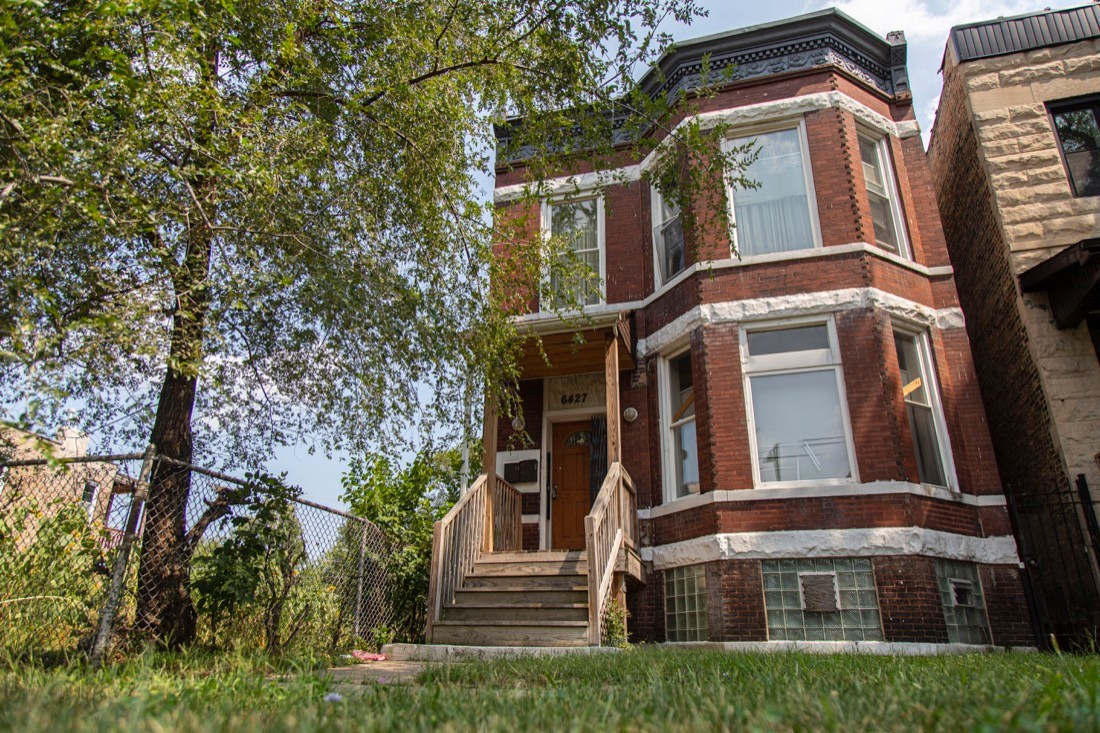
CHICAGO (AP) – Emmett Till left his mother’s house on Chicago’s South Side in 1955 to visit relatives in Mississippi, where the Black teenager was abducted and brutally slain for reportedly whistling at a white woman.
A cultural preservation organization announced Tuesday that the house will receive a share of $3 million in grants being distributed to 33 sites and organizations nationwide that are important pieces of African American history.
Some of the grant money from the African American Cultural Heritage Action Fund will go to rehabilitate buildings, such as a bank in Mississippi founded by businessman Charles Banks, who won praise from Booker T. Washington; the first Black masonic lodge in North Carolina; and a school in rural Florida for the children of Black farm workers and laborers.
The money will also help restore the Virginia home where tennis coach Dr. Robert Walter “Whirlwind” Johnson helped turn Black athletes such as Arthur Ashe and Althea Gibson into champions, rehabilitate the Blue Bird Inn in Detroit that is considered the birthplace of bebop jazz, and protect and preserve African American cemeteries in Pennsylvania and a tiny island off the coast of South Carolina.
Brent Leggs, executive director of the organization that is in its fifth year of awarding the grants, said the effort is intended to fill “some gaps in the nation’s understanding of the civil rights movement.”