
Friday, October 30, 2026Oct 30

This story is free to read.

EXPLAINER: How do we know when a recession has begun?

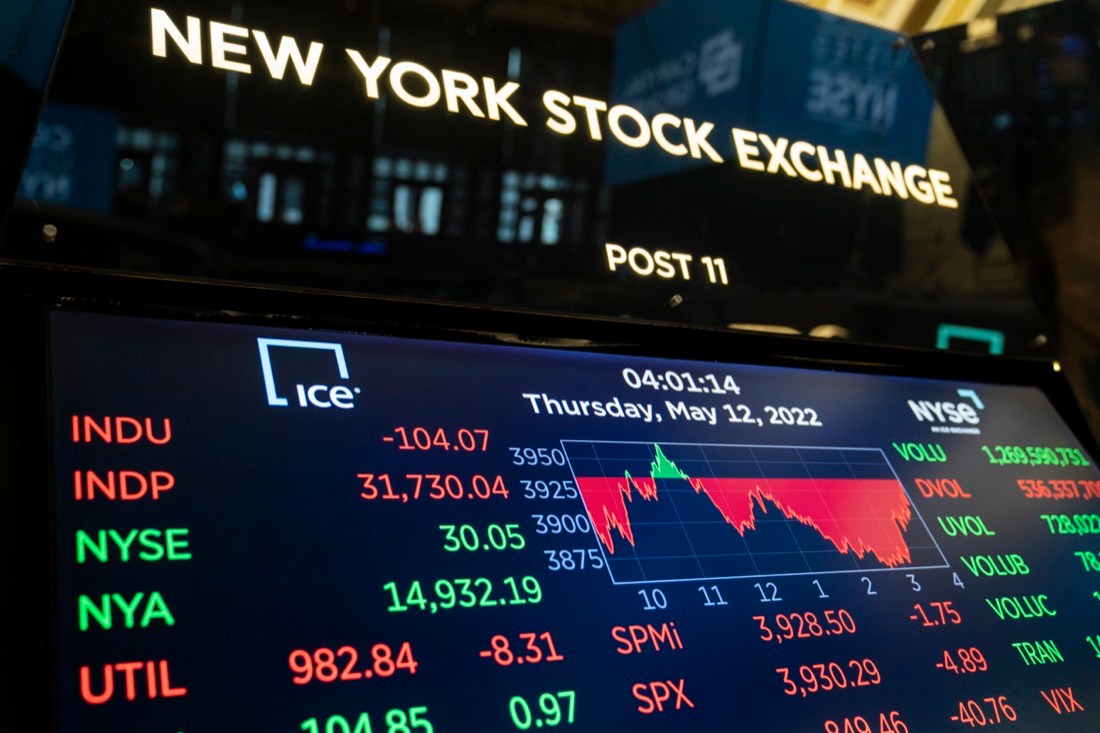
FILE - Screens display end-of-day trading results at the New York Stock Exchange on May 12, 2022, in New York. A longstanding rule of thumb holds that a recession occurs when the economy shrinks for two consecutive quarters. On Thursday, July 28 the government will report gross domestic product, the broadest measure of the nation's output of goods and services, for the April-June quarter. Some economists forecast it will show the economy shrank — for the second quarter in a row. (AP Photo/John Minchillo, File)
FILE - Screens display end-of-day trading results at the New York Stock Exchange on May 12, 2022, in New York. A longstanding rule of thumb holds that a recession occurs when the economy shrinks for two consecutive quarters. On Thursday, July 28 the government will report gross domestic product, the broadest measure of the nation's output of goods and services, for the April-June quarter. Some economists forecast it will show the economy shrank — for the second quarter in a row. (AP Photo/John Minchillo, File) FILE - Screens display end-of-day trading results at the New York Stock Exchange on May 12, 2022, in New York. A longstanding rule of thumb holds that a recession occurs when the economy shrinks for two consecutive quarters. On Thursday, July 28 the government will report gross domestic product, the broadest measure of the nation's output of goods and services, for the April-June quarter. Some economists forecast it will show the economy shrank — for the second quarter in a row. (AP Photo/John Minchillo, File)

WASHINGTON (AP) – By one common definition, the U.S. economy is on the cusp of a recession. Yet that definition isn’t the one that counts.

On Thursday, when the government estimates the gross domestic product for the April-June period, some economists think it may show that the economy shrank for a second straight quarter. That would meet a longstanding assumption for when a recession has begun.

But economists say that wouldn’t mean that a recession had started. During those same six months when the economy might have contracted, businesses and other employers added a prodigious 2.7 million jobs – more than were gained in most entire years before the pandemic. Wages are also rising at a healthy pace, with many employers still struggling to attract and retain enough workers.

The job market’s strength is a key reason why the Federal Reserve is expected to announce another hefty hike in its short-term interest rate on Wednesday, one day before the GDP report. Several Fed officials have cited the healthy job growth as evidence that the economy should be able to withstand higher rates and avoid a downturn. Many economists, though, are dubious of that assertion.

The Fed is also trying to combat raging inflation, which reached a 9.1% annual rate in June, the worst mark in nearly 41 years. Rapid price increases, particularly for such essentials as food, gas and rent, have eroded Americans’ incomes and led to much gloomier views of the economy among consumers.