
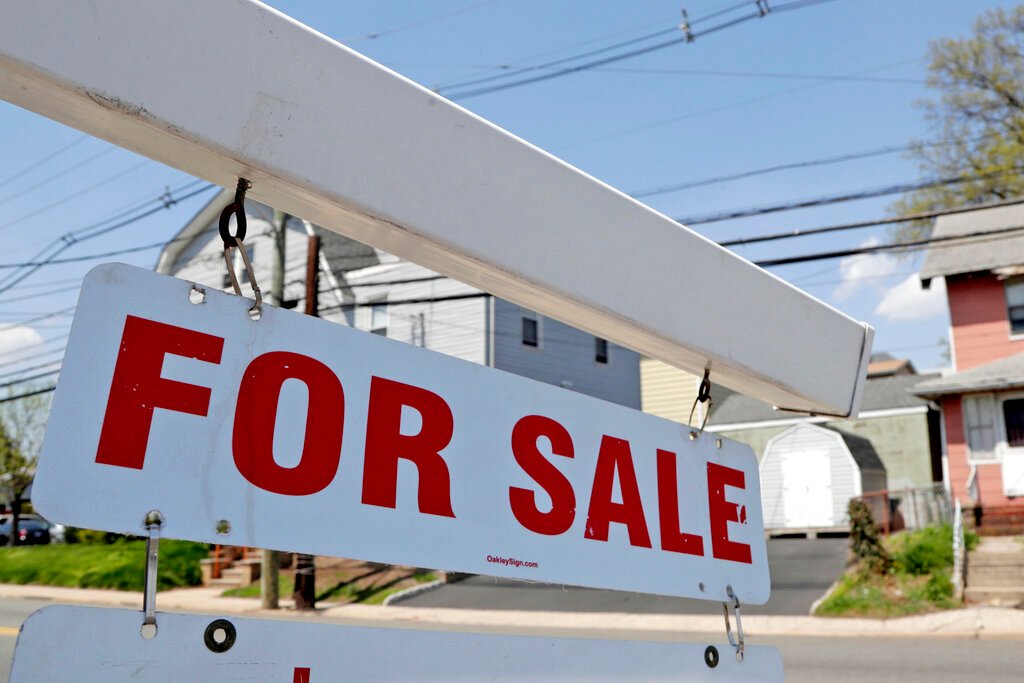
WASHINGTON (AP) – Higher mortgage rates have sent home sales tumbling. Credit card rates have grown more burdensome, and so have auto loans. Savers are finally receiving yields that are actually visible, while crypto assets are reeling.
The Federal Reserve’s move Wednesday to further tighten credit raised its benchmark interest rate by a sizable 0.75 percentage point for a second straight time. The Fed’s latest hike, its fourth since March, will further magnify borrowing costs for homes, cars and credit cards, though many borrowers may not feel the impact immediately.
The central bank is aggressively raising borrowing costs to try to slow spending, cool the economy and defeat the worst outbreak of inflation in two generations.
The Fed’s actions have ended, for now, an era of ultra-low rates that arose from the 2008-2009 Great Recession to help rescue the economy – and then re-emerged during the brutal pandemic recession, when the Fed slashed its benchmark rate back to near zero.
Chair Jerome Powell hopes that by making borrowing more expensive, the Fed will succeed in slowing demand for homes, cars and other goods and services. Reduced spending could then help bring inflation, most recently measured at a four-decade high of 9.1%, back to the Fed’s 2% target.