
Rising inflation and interest rates are creating increased economic challenges for the world’s biggest floor covering manufacturer which reported lower second quarter profits despite a 6.7% increase in net sales.
Calhoun, Georgia-based Mohawk Industries Inc. on Thursday reported second-quarter net income of $280.4 million, or $4,40 per share, which was better than Wall Street expectations. The flooring maker posted revenue of $3.15 billion in the period, which was better than a year ago but fell short of Street forecasts.
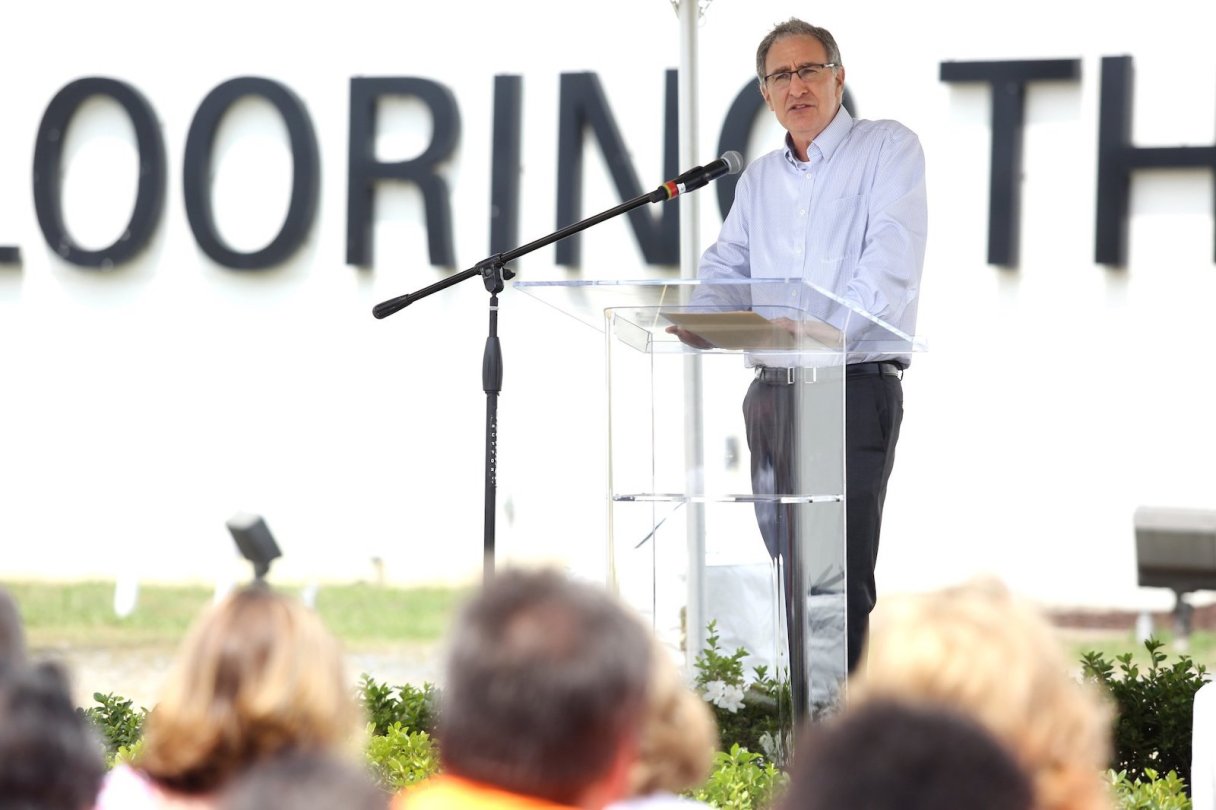
“During the quarter, sales grew in all of our segments, with our top-line results benefiting from price increases, enhanced product mix, improvements in commercial and contributions from our small acquisitions,” Mohawk CEO Jeffrey Lorberbaum said in an earnings report released after the market closed Thursday. “As the quarter progressed, the global economic environment became increasingly challenging, and our organization implemented additional actions to support our performance.”
Lorberbaum said in the past year and a half “all of our businesses have faced extraordinary inflation, and we have instituted multiple price increases to pass through these higher costs.” Mohawk said it is working to control its costs and Lorberbaum said he expects that higher interest rates and inflation will alter consumers’ approach to buying floor coverings.
“Across all our markets, inflation is causing changes in consumer discretionary spending,” he said. “U.S. housing sales have been impacted more than our other markets as mortgage rates have risen faster.”