
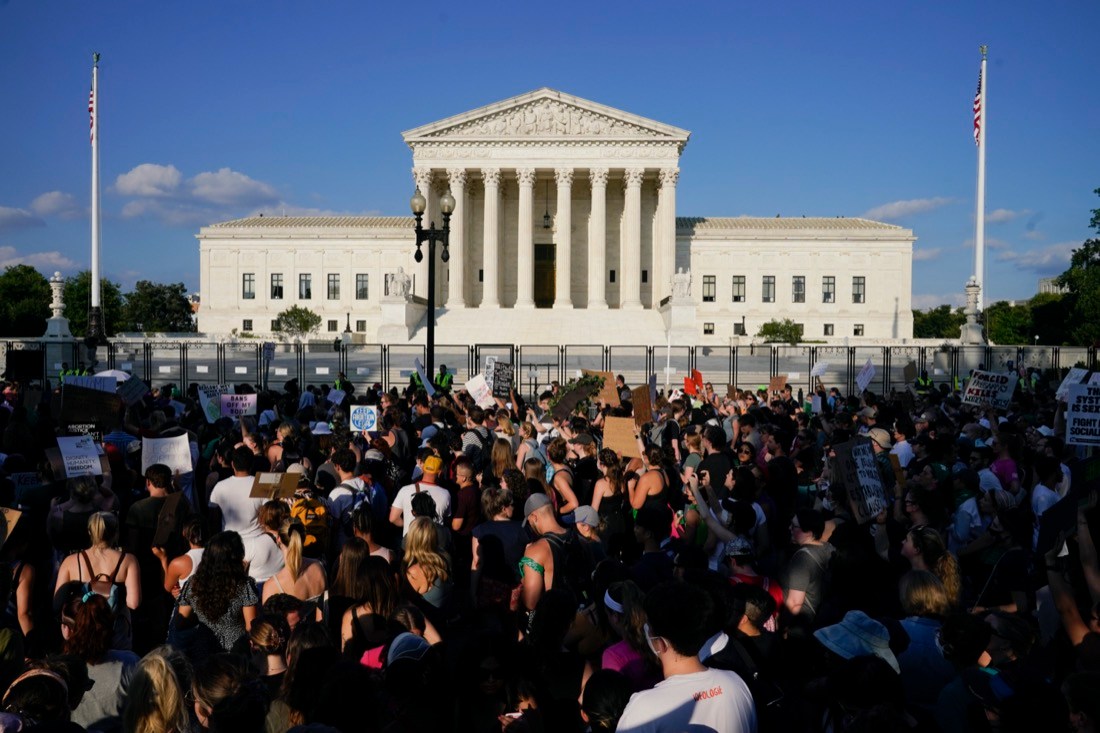
They call her, desperate, scared and often broke. Some are rape and domestic violence victims. Others are new mothers, still breastfeeding infants. Another pregnancy so soon, they say, is something they just can’t handle.
“Heart wrenching,” said Angela Huntington, an abortion navigator for Planned Parenthood in Missouri, who is helping callers reschedule canceled abortion appointments – sometimes hundreds of miles away from their homes – after the fall of Roe v. Wade.
The ruling has set off a travel scramble across the country, with a growing number of states mostly banning the procedure. Clinics operators are moving, doctors are counseling crying patients, donations are pouring into nonprofits and one group is dispatching vans to administer abortion pills. Some cities – like Kansas City and St. Louis – also are drafting plans to help with the travel logistics.
Huntington has been preparing for this moment for months. Even before the U.S. Supreme Court’s decision last week to end constitutional protection for abortion, the procedure had become difficult to nearly impossible to obtain in states including Texas, Oklahoma and Missouri.
“Basically,” she said, they were “living in a post Roe era.”