
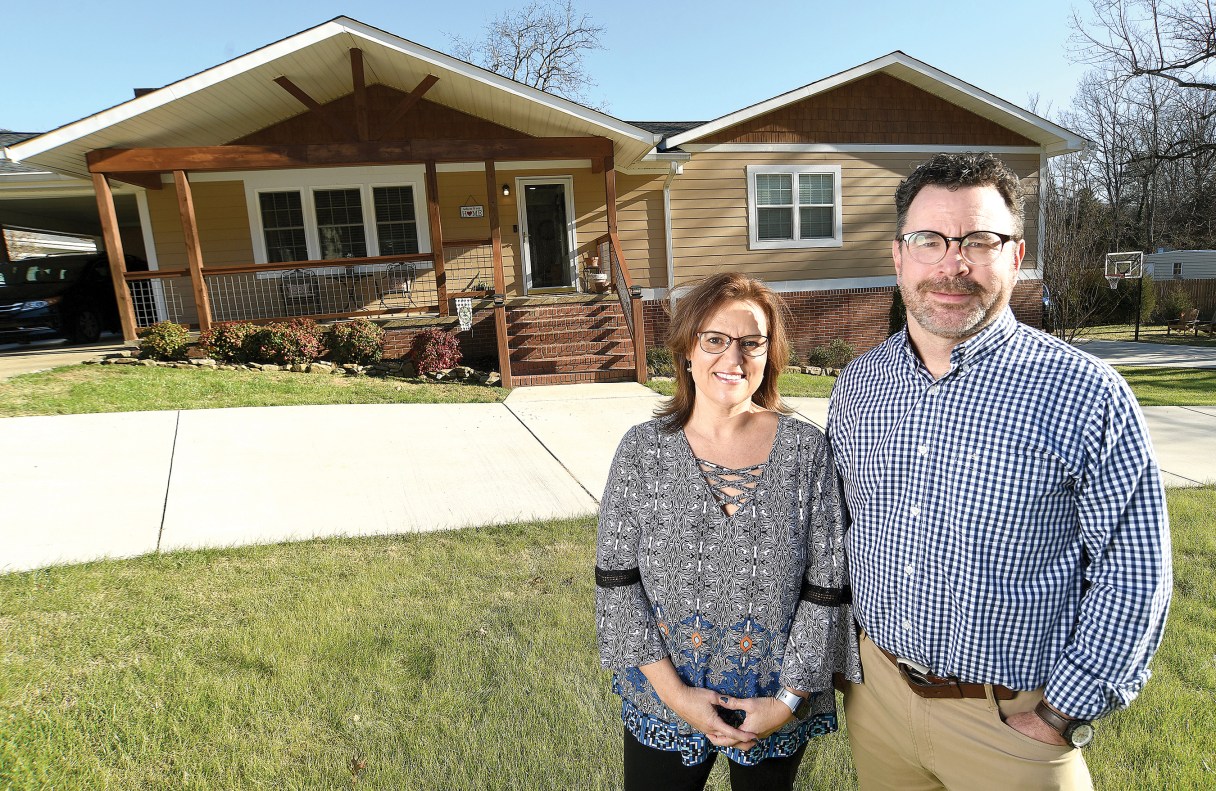

In each of the six years they have been in their home, Troy and Amy Walliser have completed some type of major remodeling project.
“We’ve been slowly but surely redoing every square inch of this place,” Troy says.
When they bought the home, the oldest of their five children had recently moved out, and they had a feeling the second oldest would soon follow suit, so they wanted to downsize from their five bedroom, three bathroom, 3,200-square-foot home.
The two bedroom, two bathroom, 1,400-square-foot house they chose was a huge difference from what they were used to.
“When we first came and looked at the house, we went across the road and looked at it, and both she and I together had a vision for what we could do here and how it could fit our family and we could expand,” Troy says.
So they sold their big house, paid off their existing mortgage and paid for the smaller house in cash. With the money they had left over, they spent the amount they would have spent on their mortgage to remodel the house.
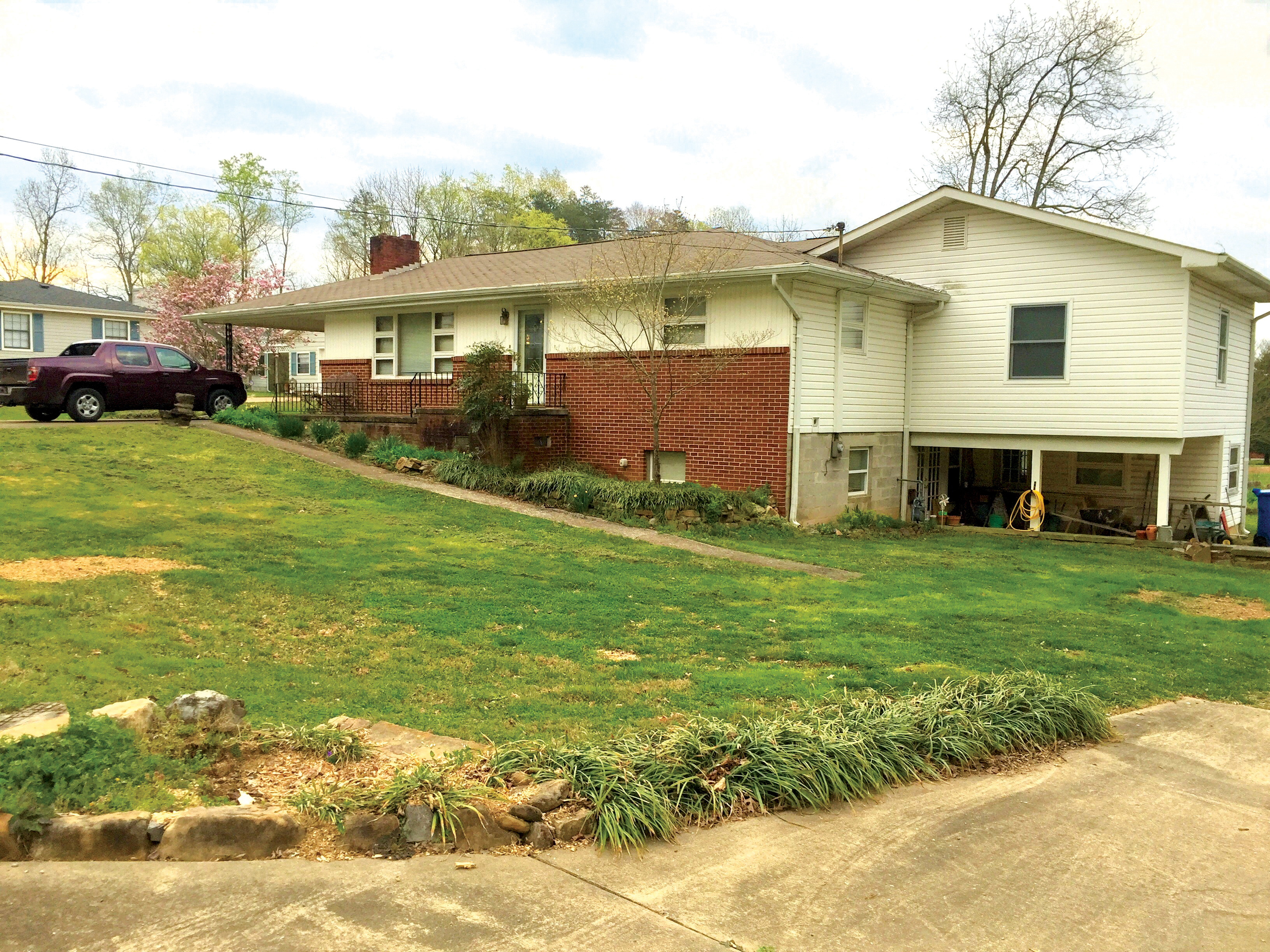
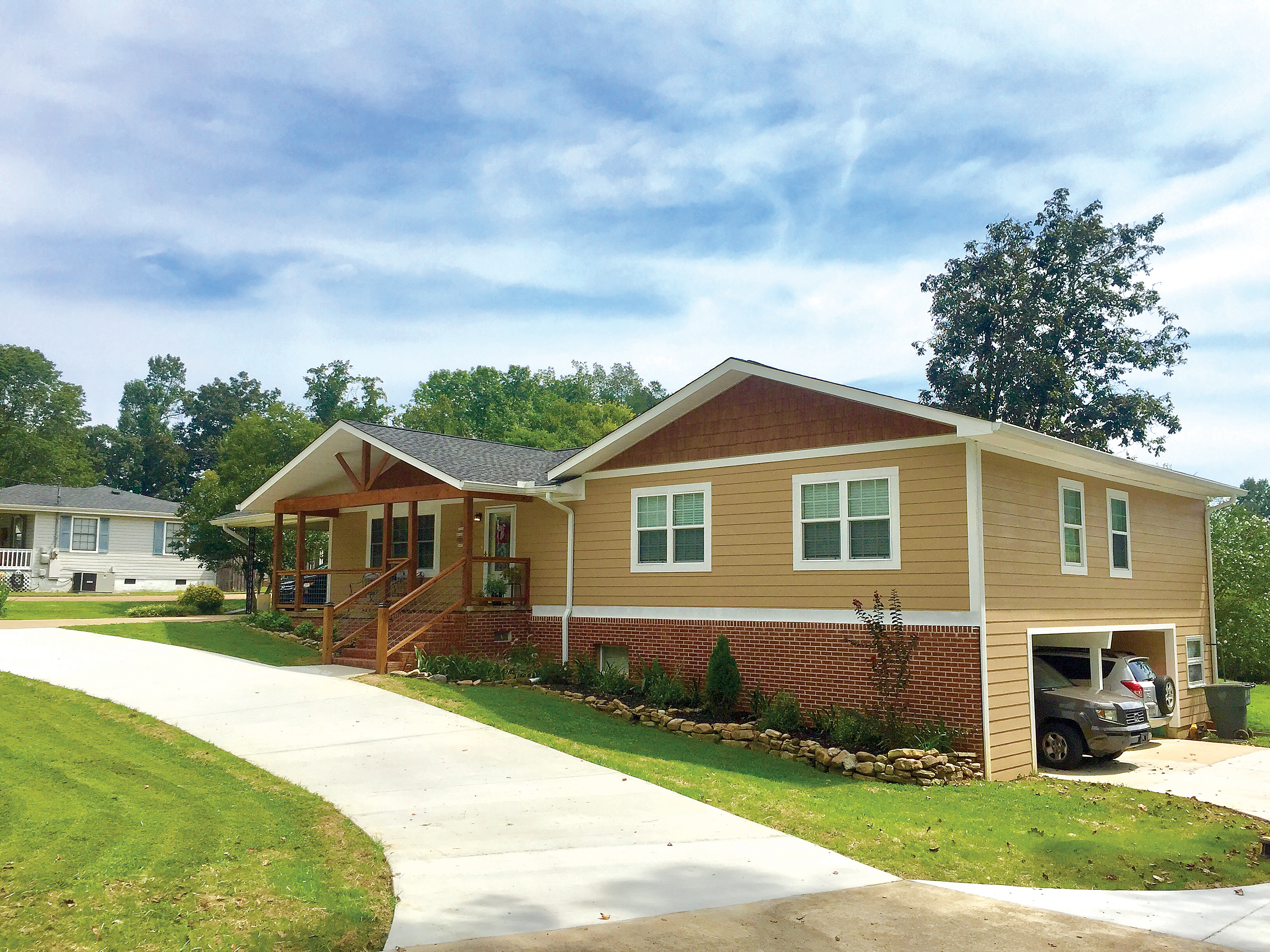
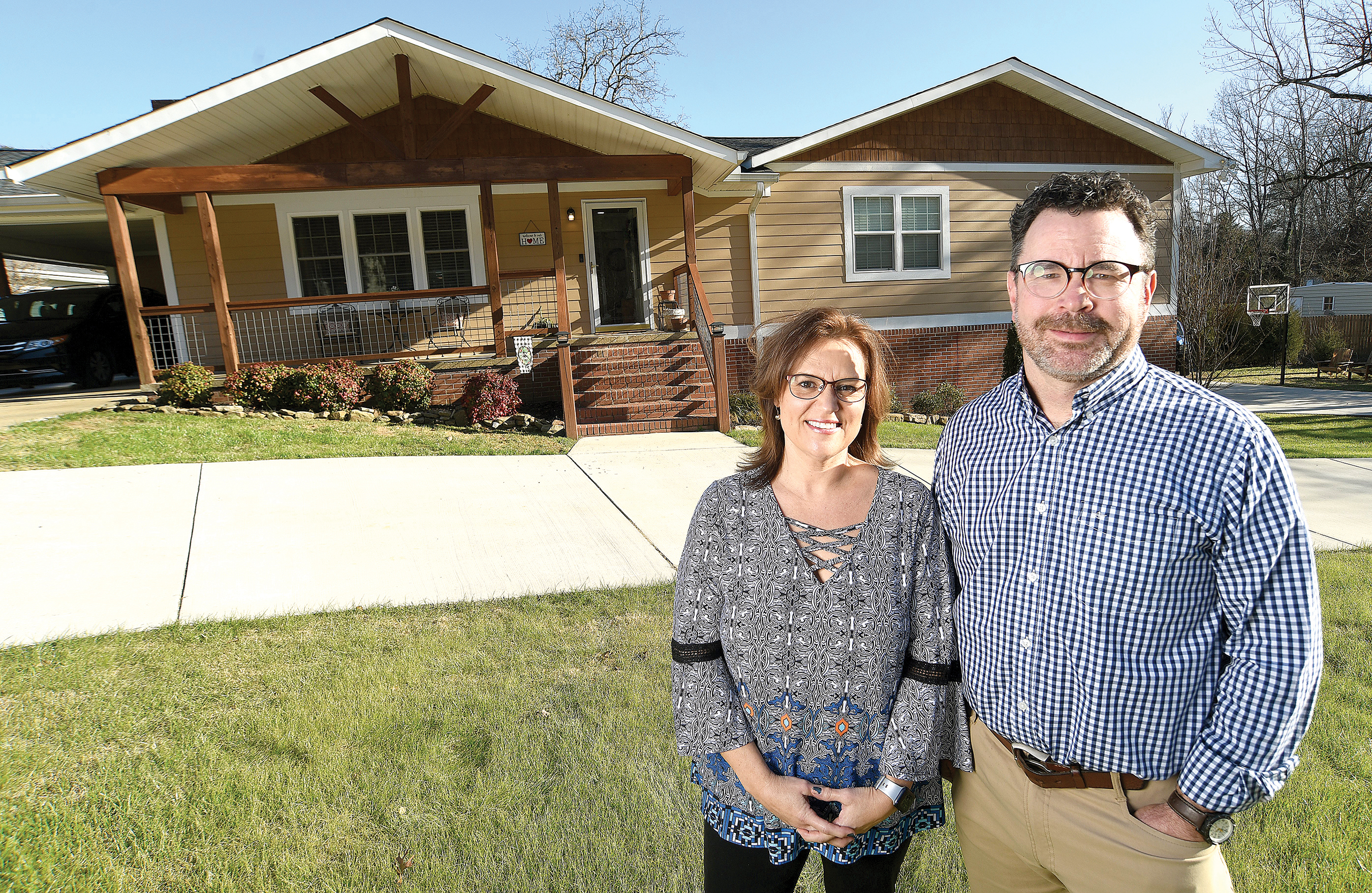
Their first project was to add a bedroom in the front of the house, which changed the whole look of the exterior. That was probably the hardest project, Troy says, particularly tying a new roofline into the other part of the house.
The next year, they added a circular concrete driveway and finished the basement, where two of their children had lived in its unfinished state – with a sheet as a divider – when the family first moved in.
They knew when they bought the house that there were water issues in the basement, to the extent that they say there was basically a stream running through every time it rained.
To fix it, they hand-dug a French drain, a trench filled with perforated pipe and gravel allowing water to drain naturally, in the front of their house.
Behind the house is a one-room log cabin made from hand-hewn logs that belonged to an old structure that was dismantled and moved to its present location. The previous owners used it as a potting shed, with no electricity or insulation.
His son had just graduated from McCallie School when they moved in, and he lived in the cabin with an extension cord running to the window unit until they were able to finish and wire the cabin. His son, now earning a master’s at University of Tennessee at Chattanooga, still lives in the cabin.
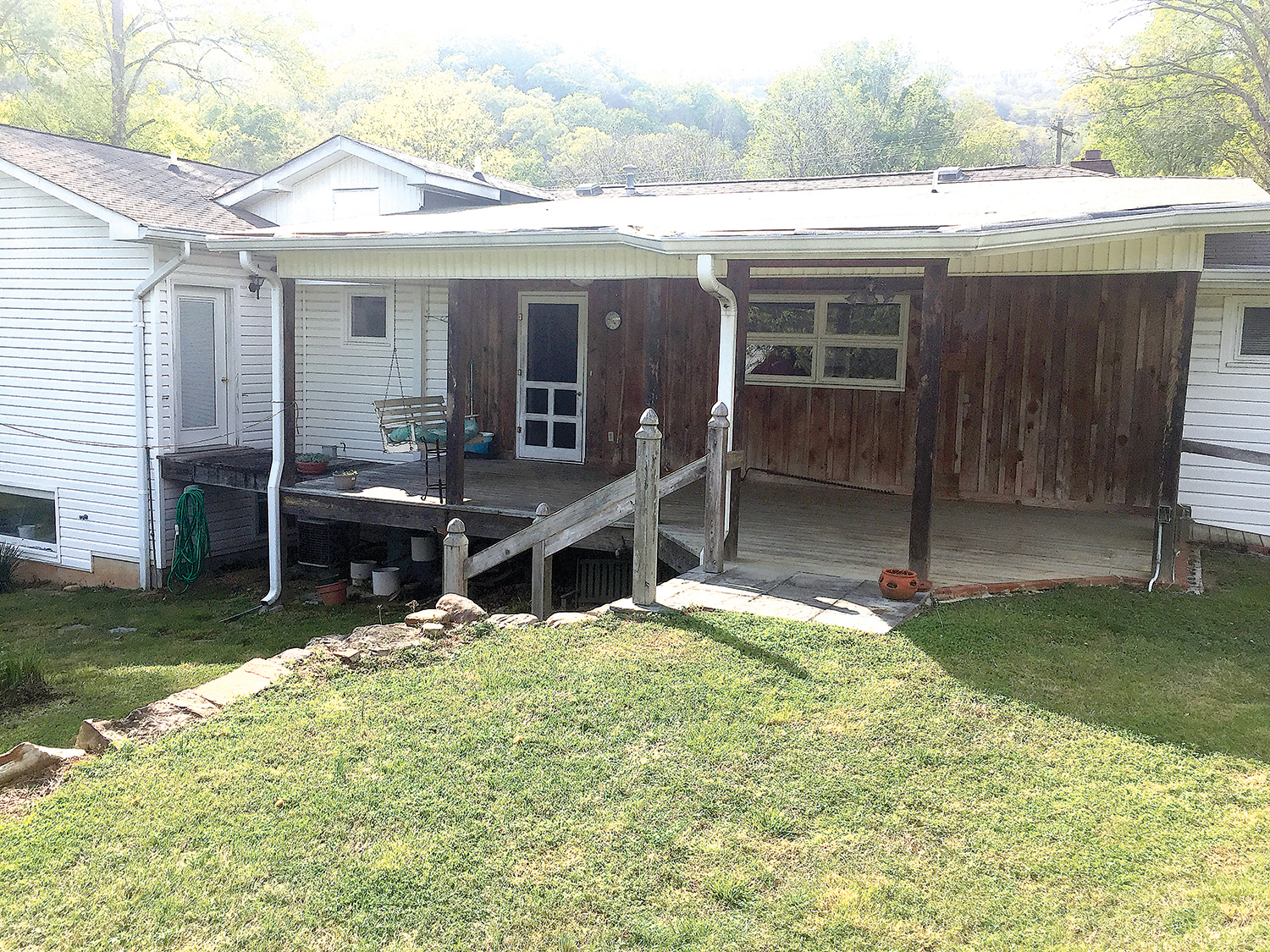
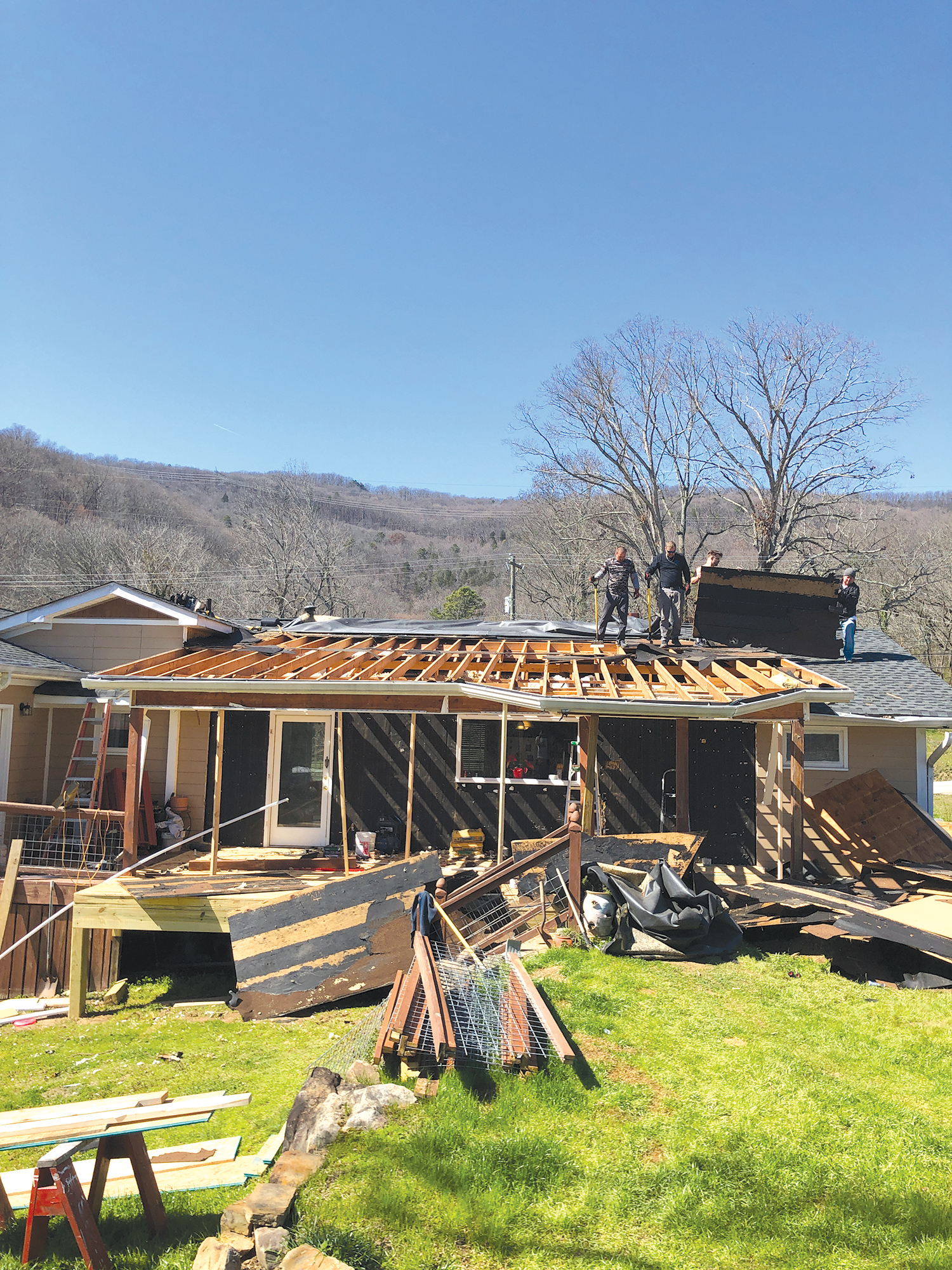
When COVID hit, their 2020 project was to convert their covered back porch into a 400-square-foot sunroom. That required knocking out a wall in the kitchen and putting up a beam, along with adding an extra HVAC unit to keep the temperature uniform throughout.
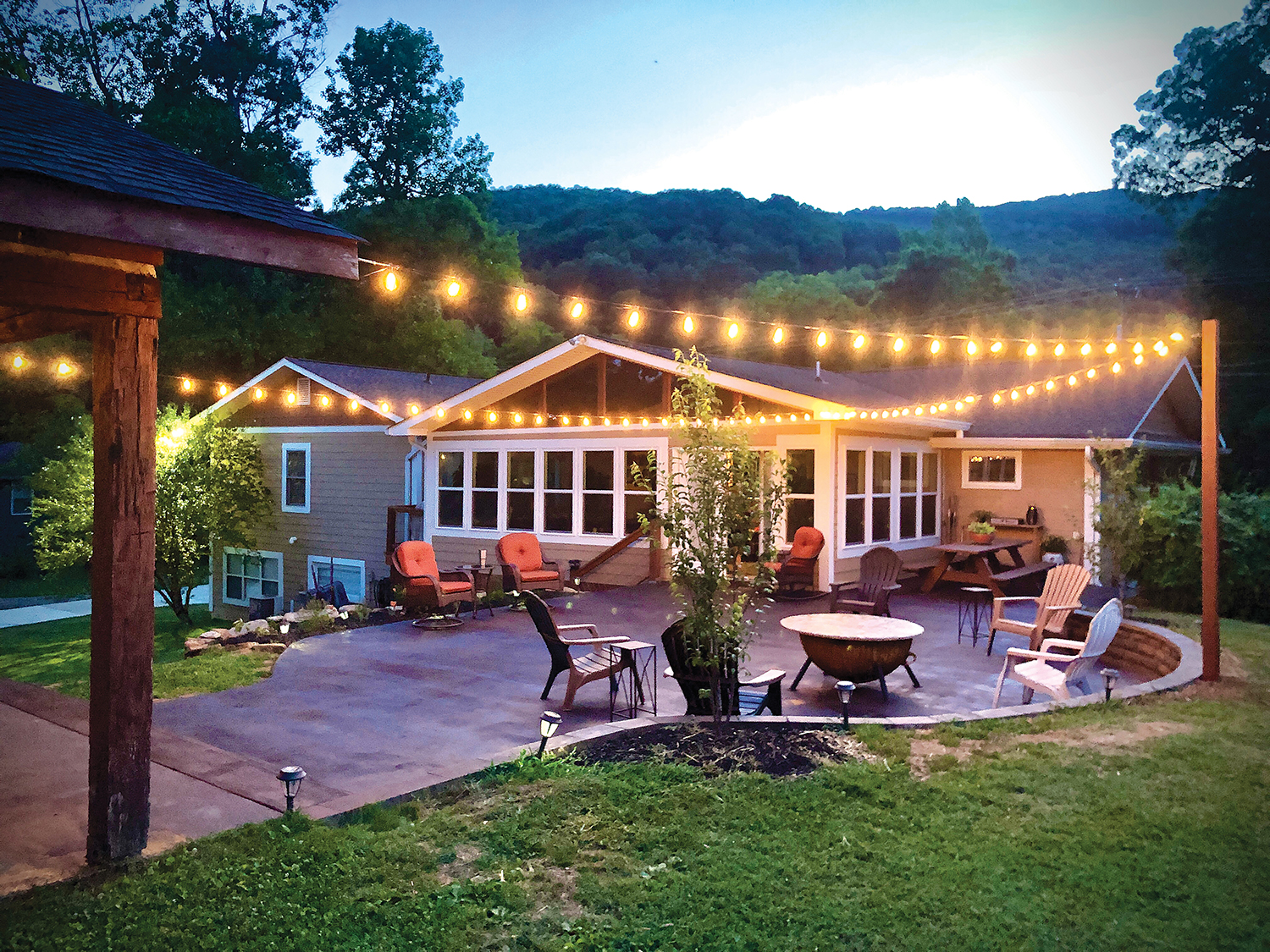
In 2021 they added a 1,200-square-foot patio in the back of the house, including the construction of a retaining wall and landscaping work.
The Wallisers say the main reason they do the work themselves is to save money. Troy says the average cost for new construction is $200 per square foot, and the cost goes down to $60-$70 if they do the work themselves, paying only for labor and materials.
“We want to live in a nicer home,” Amy says. “We just don’t want to pay the price that it would cost for somebody else to do it.”
When they pay for laborers, the Wallisers work right alongside them.
Troy learned much of what he knows about carpentry, plumbing and electrical wiring while growing up on a commercial livestock farm, and later managing a livestock farm with Amy in South Georgia. He also served as general contractor when they built their previous home in East Brainerd, and he worked alongside the contractors whenever possible.
“That’s where I started to figure some stuff out, how to do things and how these projects come together,” he says.
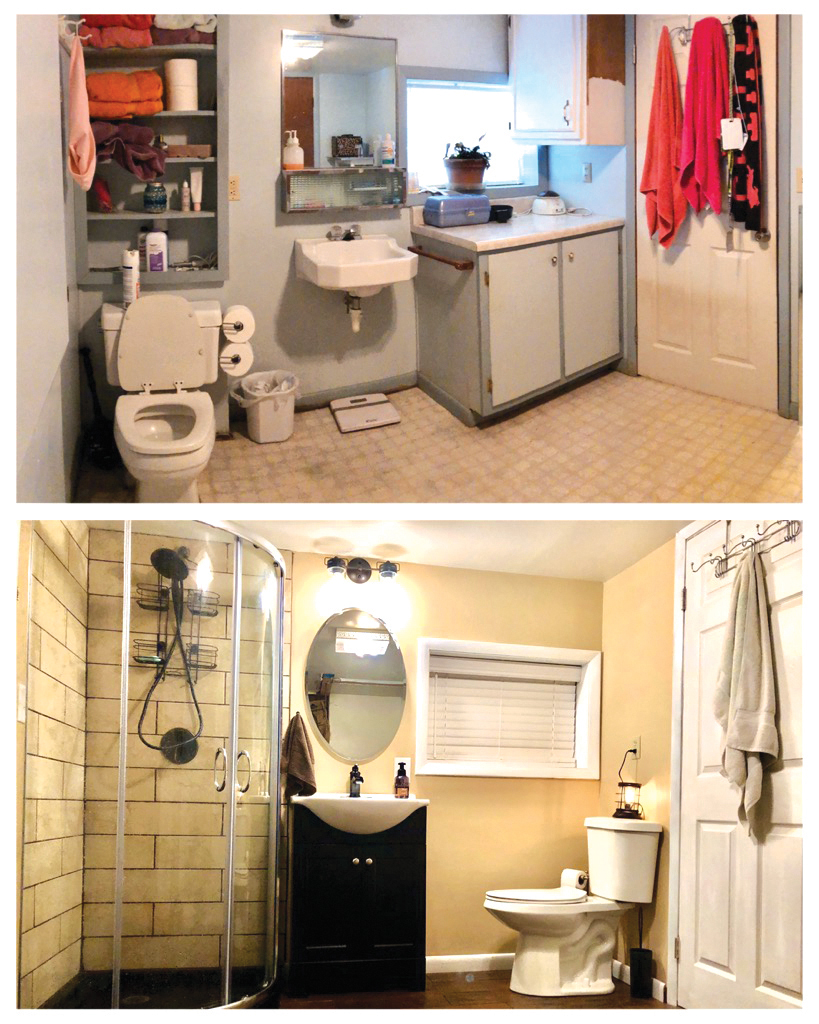
Amy’s father taught her how to tile, which came in handy as they remodeled or built the home’s four bathrooms.
Everything else they learned on YouTube.
“YouTube is amazing if you have the capacity to figure stuff out and hand-eye coordination, and you’re used to working with your hands,” Troy says.
Watching a few YouTube videos gives them a good idea of whether they should hire someone else to do a job or tackle the work themselves. They considered making and installing their own concrete kitchen cabinets, for instance, but YouTube convinced them to hire a professional.
Troy, who’s the pastor at Lookout Valley Baptist Church, even started his own YouTube channel, “Project Pastor.”