
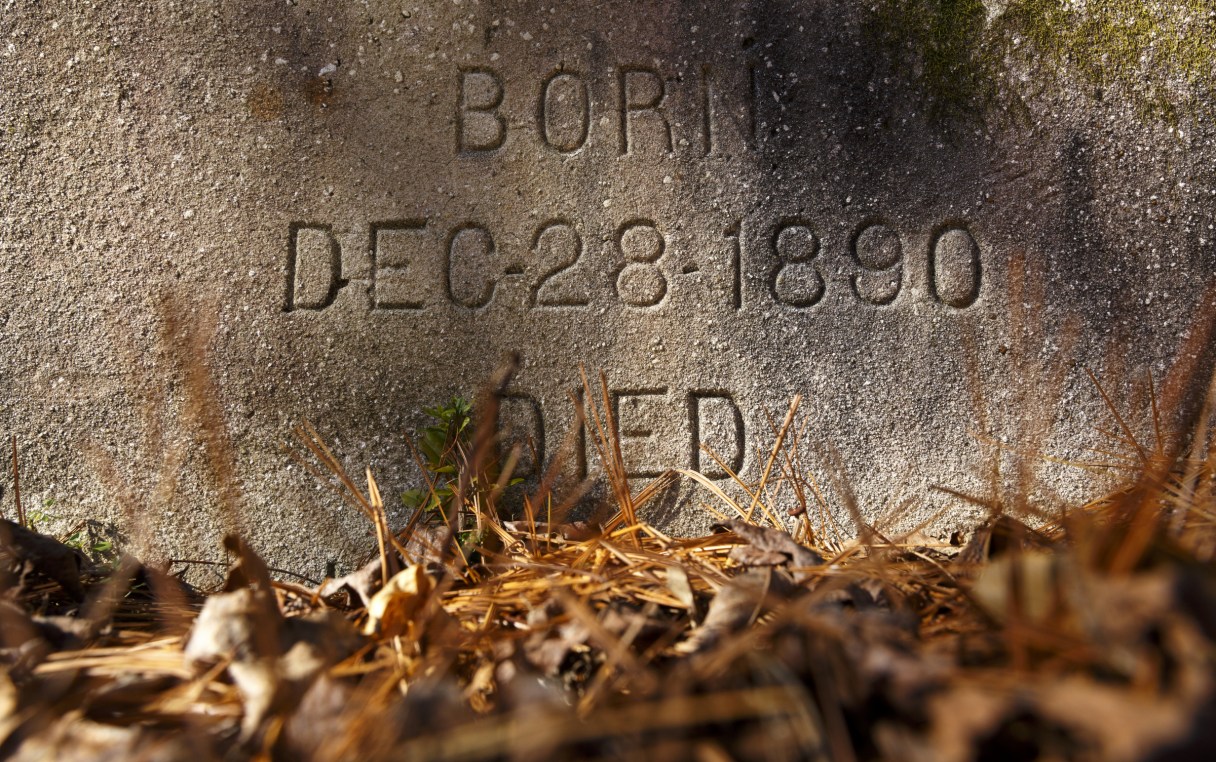
“TO CARE FOR THE SICK AND BURY THE DEAD: AFRICAN AMERICAN LODGES AND CEMETERIES IN TENNESSEE” by Leigh Ann Gardner (Vanderbilt University Press, 300 pages, $29).
In the tumultuous decades after the Civil War, African American communities all over the country established fraternal and benevolent organizations. Some, such as the Prince Hall Masons, paralleled white organizations from which people of color were generally excluded. Others, like the United Sons of Ham, originated within the African American community.
These organizations, or “lodges,” provided aid of many kinds during an era when there was no government safety net. In the segregated South, including Tennessee, one of their most important functions was the creation and maintenance of cemeteries. Lodge activity declined in the 20th century, and in many cases these cemeteries are all that remain. Leigh Ann Gardner’s “To Care for the Sick and Bury the Dead” delves into the history of Tennessee’s African American lodges and offers an illustrated survey of extant cemeteries across the state, along with an explanation of their distinctive burial practices.
Gardner, a Nashville native who lives in Rutherford County, holds a master’s degree in public history and works in historic preservation. She answered questions from Chapter 16 by email.
Q: Can you give us a thumbnail explanation of the role the lodges played in the African American community? Beyond creating cemeteries, what services did they provide?