
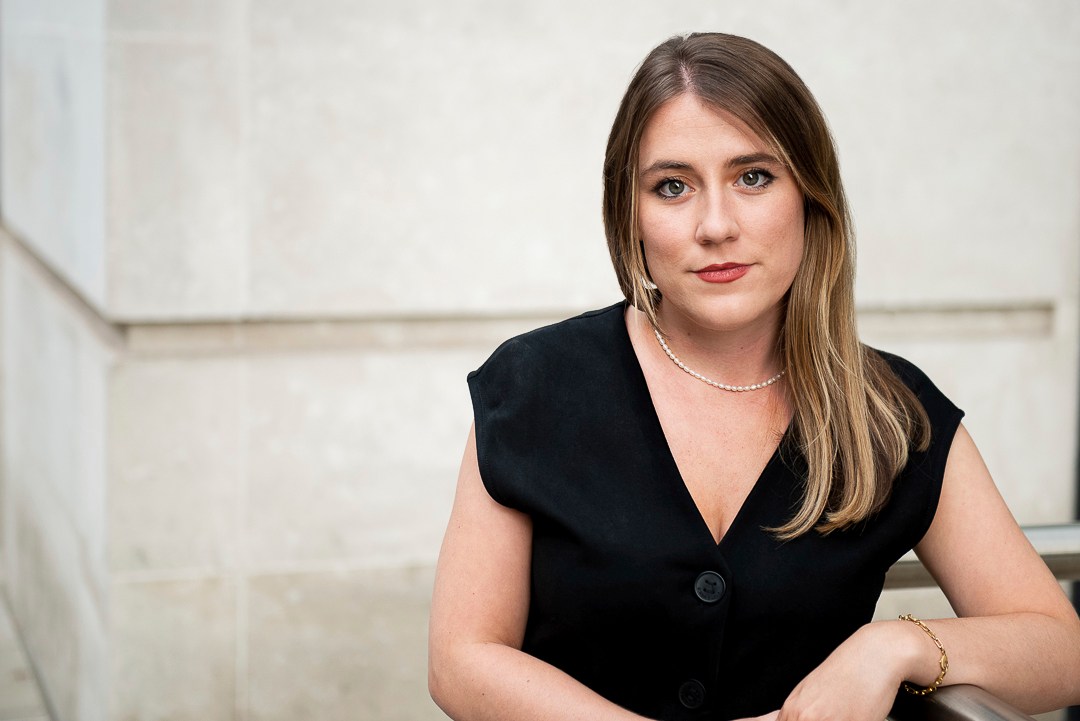
NEW YORK (AP) — Larry, a 71-year-old retired insurance broker and Donald Trump fan from Alabama, wouldn’t be likely to run into the liberal Emma, a 25-year-old graphic designer from New York City, on social media — even if they were both real.
Each is a figment of BBC reporter Marianna Spring’s imagination. She created five fake Americans and opened social media accounts for them, part of an attempt to illustrate how disinformation spreads on sites like Facebook, Twitter and TikTok despite efforts to stop it, and how that impacts American politics.
That’s also left Spring and the BBC vulnerable to charges that the project is ethically suspect in using false information to uncover false information.
“We’re doing it with very good intentions because it’s important to understand what is going on,” Spring said. In the world of disinformation, “the U.S. is the key battleground,” she said.
Spring’s reporting has appeared on BBC’s newscasts and website, as well as the weekly podcast “Americast,” the British view of news from the United States. She began the project in August with the midterm election campaign in mind but hopes to keep it going through 2024.