
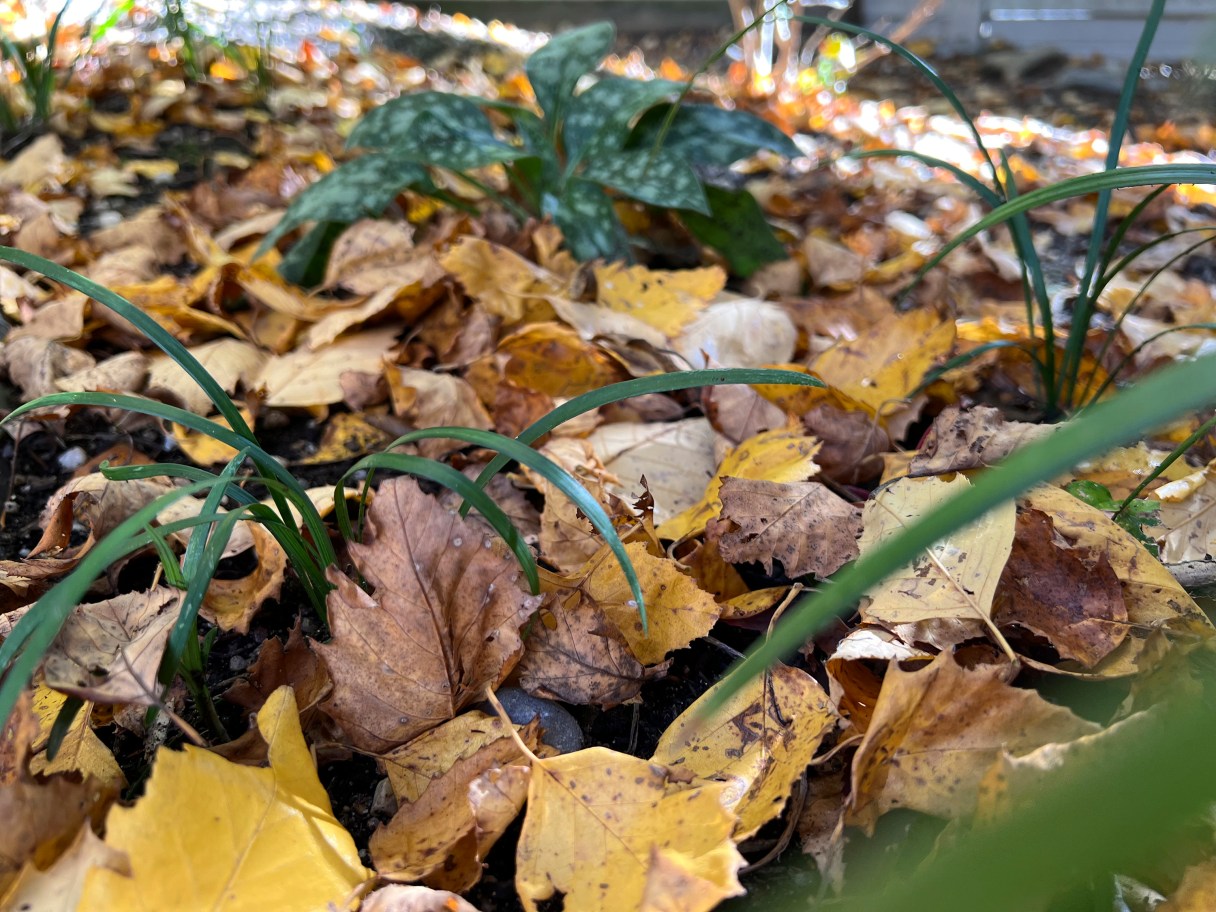
If you’re planning a new bed for perennials, groundcovers, shrubs or trees to plant next spring, the path to success starts with a good foundation. It’s easier to improve soil before plants are in place, so the time to do so is now.
Before beginning, remove weeds from the area.
Next, test your soil’s pH. Test kits are reasonably priced and widely available. Plus, most states have university-affiliated agricultural extension offices that offer low-cost testing services to home gardeners.
Each plant species thrives best at a specific pH range. If the reading is outside the target range for a plant, it won’t be able to avail itself of nutrients, whether from soil or fertilizer. So consider what you’ll be planting next year, learn its pH requirement and amend the soil if necessary.
Agriculture limestone will raise pH, and aluminum sulfate or sulfur will lower it. The package label will provide directions for your soil type and the bed’s square footage.