
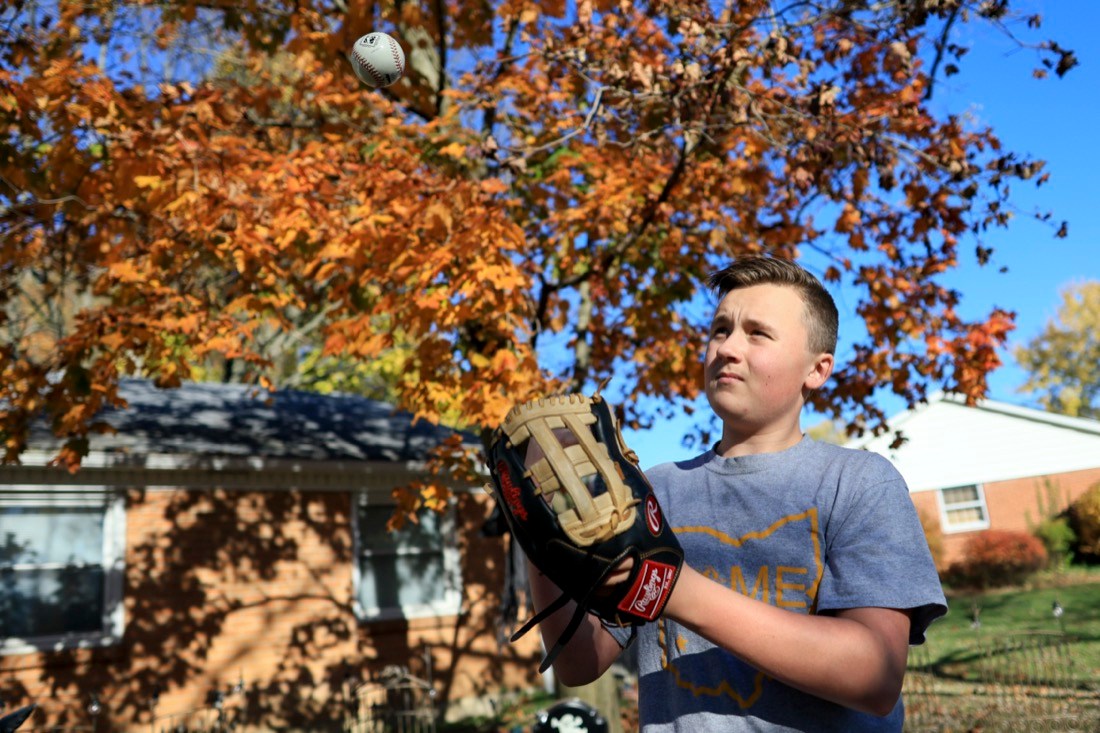
It only took a few seconds for Rachel Kennedy to grab her phone after she left the checkout line at the sporting-goods store, where she had just finished buying a new glove, pants, belt, cleats and the rest of the equipment for her son, Liam’s, upcoming baseball season.
“I texted his dad and asked him, ‘Did we really spend $350 on all this last year?’” Kennedy said.
Sticker shock in youth sports is nothing new, but the onslaught of double-digit inflation across America this year has added a costly wrinkle on the path to the ballparks, swimming pools and dance studios across America. It has forced some families, like Kennedy’s, to scale back the number of seasons, or leagues, or sports that their kids can play in any given year, while motivating league organizers to become more creative in devising ways to keep prices down and participation up.
Recent studies, conducted before inflation began impacting daily life across America, showed families spent around $700 a year on kids’ sports, with travel and equipment accounting for the biggest portion of the expense.
Everyone from football coaches to swim-meet coordinators are struggling to to find less-expensive ways of keeping families coming through the doors. Costs of uniforms and equipment, along with facility rental, are shooting up — all products of the onslaught of supply-chain issues, hard-to-find staff, lack of coaches and rising gas and travel costs that were exacerbated, or sometimes caused, by the COVID-19 pandemic that disrupted and sometimes canceled seasons altogether. The annual inflation rate for the 12 months ending in September was 8.2%.