
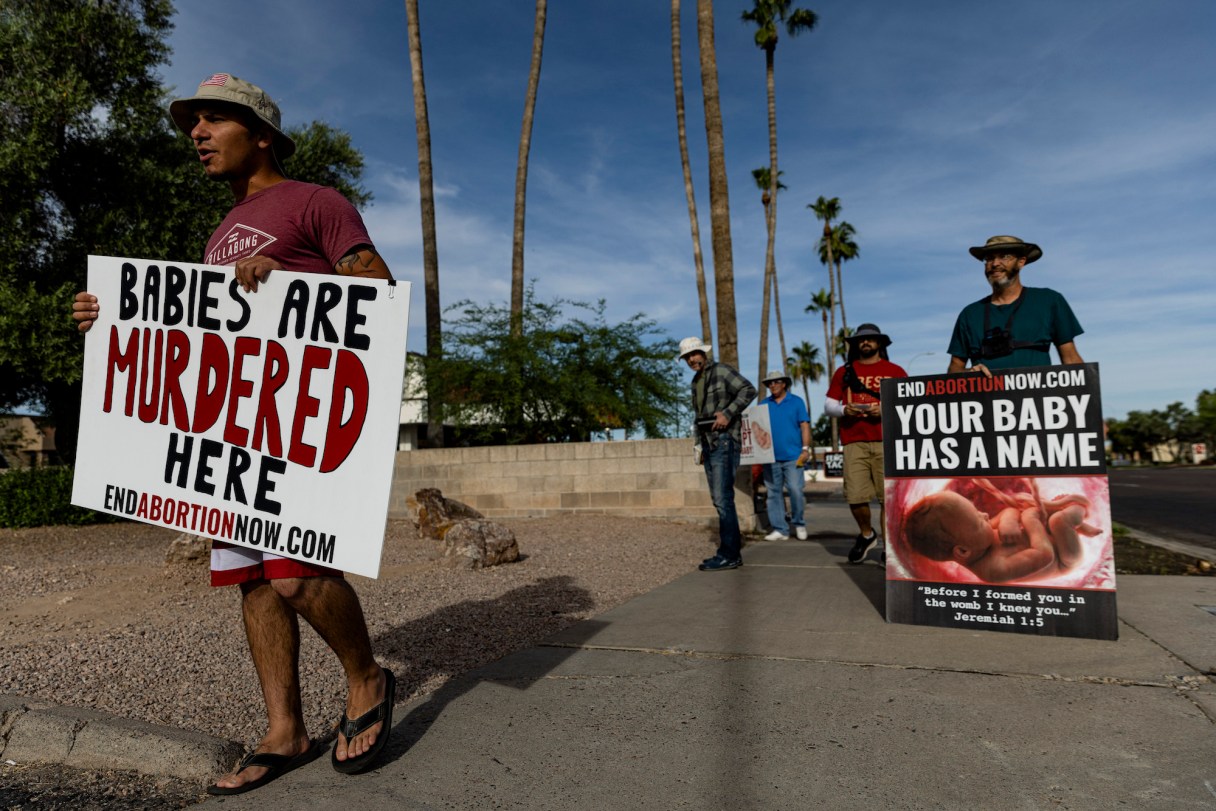
There are new restrictions on abortion in Florida, Georgia, Ohio and Texas. Three of those states have been competitive in recent presidential elections, and the fourth, Texas, has shown signs of shifting toward the Democrats. Yet in all four states, the Republican governors who signed those laws are cruising to re-election.
When the Supreme Court overturned Roe v. Wade last summer in Dobbs v. Jackson Women’s Health Center, strategists in both parties said it would harm Republicans in the midterm elections. A pro-choice backlash would rescue Democrats from what had been shaping up to be a punishing set of defeats. Democrats are devoting more of their ads to abortion than to any other subject.
Yet so far, “Roevember” doesn’t seem to be shaping up quite the way Democrats hoped. Here are a few possible reasons why.
– Pundits overread a few election results. In August, Kansas voters overwhelmingly defeated a ballot initiative getting rid of the state’s version of Roe v. Wade. Because the state is heavily Republican, this result was widely held to portend setbacks for anti-abortion Republican candidates. But voters weren’t picking one candidate over another; they were voting directly on abortion. The midterms are nothing like this. Votes for members of Congress and governors are not referenda on one issue, and there will be abortion referenda in very few places.
Democrats did better than expected in some special elections this summer, too, fueling the Roevember hype. Special elections usually have low turnout, and in the immediate aftermath of the Supreme Court’s decision, Democrats were probably more motivated to vote. But those elections are not usually highly predictive of election results in November, when turnout is usually higher.