
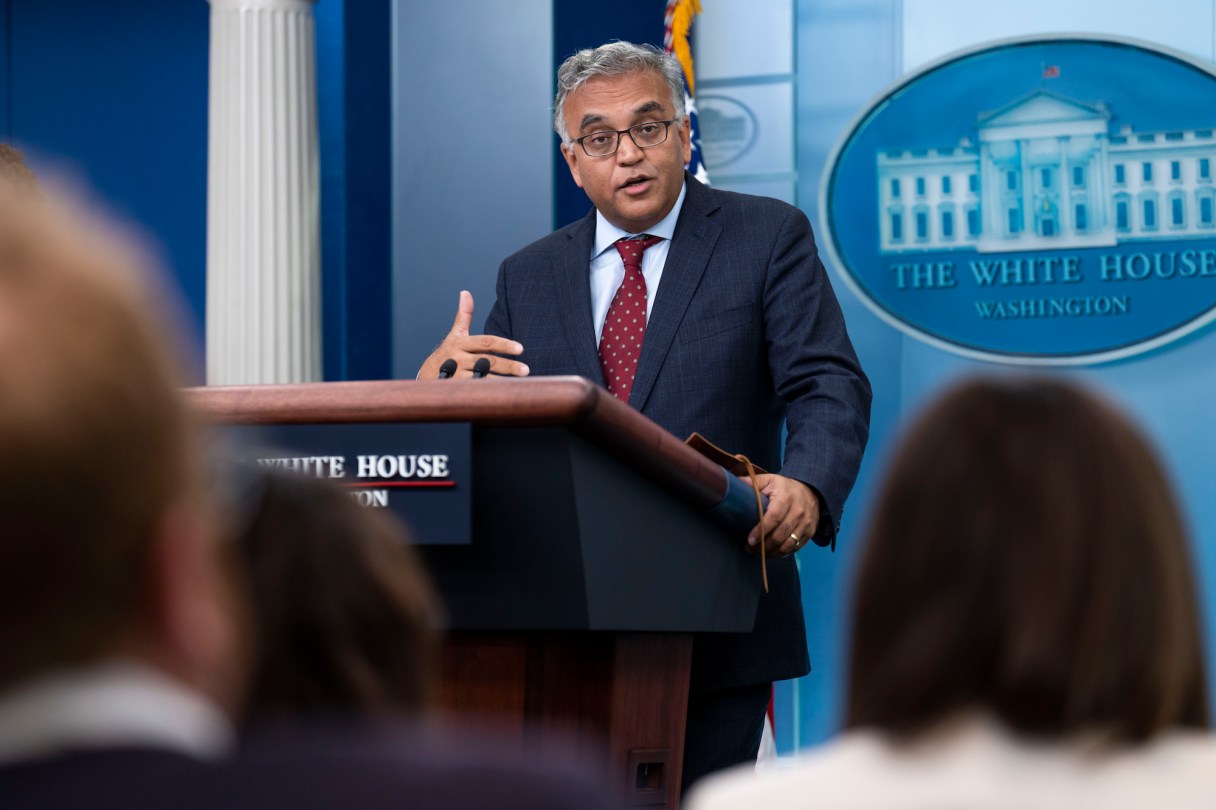
Heading into the third winter since COVID-19 emerged in the U.S., public health leaders have an abundance of information about the deadly virus. How it spreads and how to stop it. What they haven’t yet figured out is how to communicate this information effectively.
For weeks, public health leaders have been encouraging people to get the latest booster shot. But only a minuscule number of people have heeded the recommendation.
Clearly, the guidance isn’t getting through, but it doesn’t have to be that way. Health specialists should remember that trusted voices are at the heart of any successful information campaign.
Mixed messages about the coronavirus from top policymakers throughout the pandemic haven’t exactly inspired confidence. The House Select Subcommittee on the Coronavirus Crisis last month released a report detailing how the Trump administration downplayed the risk of the pandemic to the point of attacking scientists providing accurate information. And there have been recent blunders. Rochelle Walensky, head of the Centers for Disease Control and Prevention, downplayed masking earlier this year even as the agency was recommending this as a preventive measure. President Joe Biden’s statement in September that the pandemic is over was widely lambasted as premature and counterproductive.
These high-profile missteps have muddied communication, but policymakers can move forward by taking cues from successful public health campaigns that have helped reduce COVID-19 infection rates in the past.