
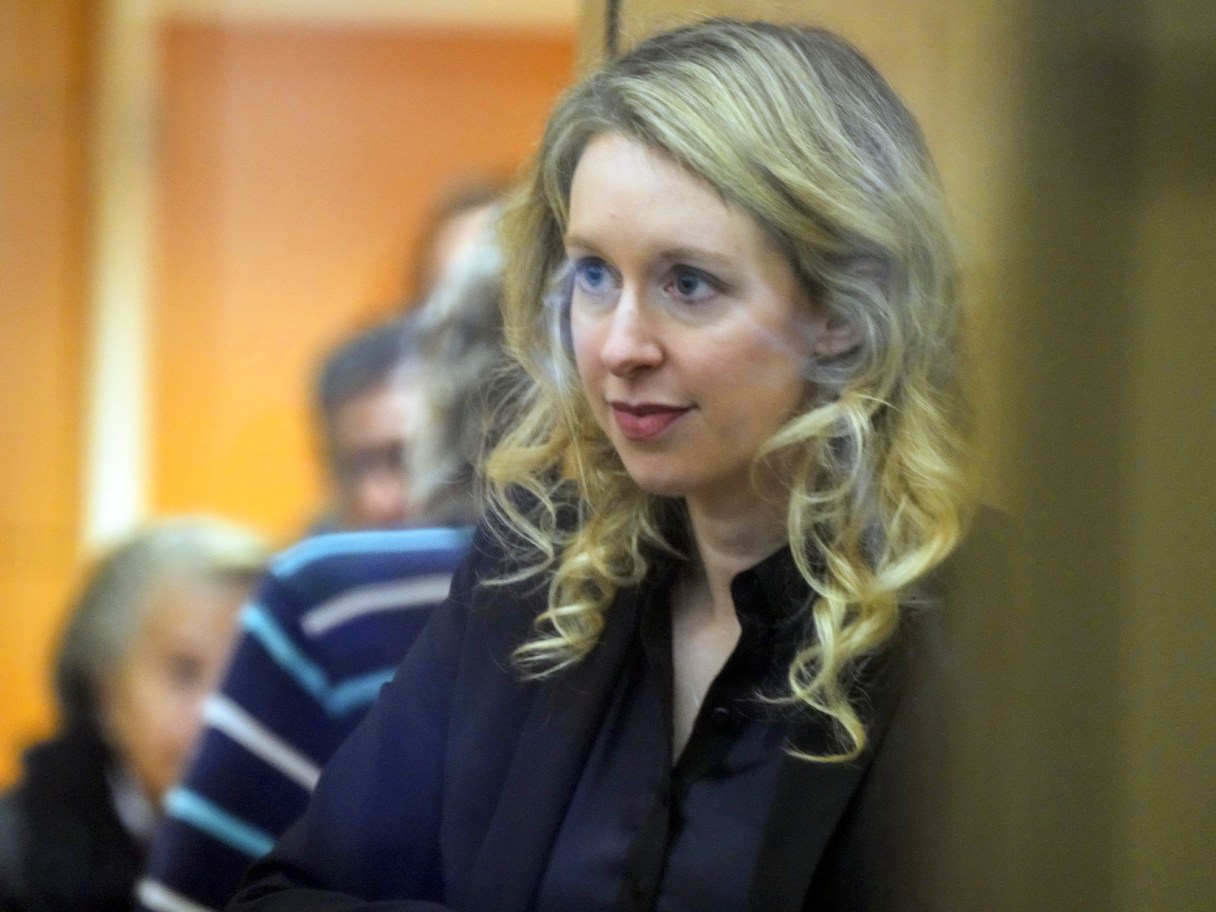
What do Elizabeth Holmes, Sam Bankman-Fried and Al Capone have in common? No, they are not all convicted felons. Capone did serve time for tax evasion, and Holmes was recently sentenced to 11 years in prison for defrauding the public through her blood-testing company Theranos. But Bankman-Fried, founder of the now-bankrupt cryptocurrency exchange FTX, has not yet been charged with anything, although regulators and investigators are sorting through the financial carnage.
The answer to what they have in common is that each one employed a time-honored strategy to win public approval — the “virtue narrative” — even while they were boldly picking pockets.
During the Great Depression, the Tribune reported that a mysterious benefactor opened up a soup kitchen in the Loop and was doling out three free meals every day to more than 2,000 hungry people. A bit of investigative work revealed that the good Samaritan was none other than crime boss Capone, who could easily afford such generosity, given that the annual income from his criminal empire derived from booze, gambling and vice was north of $100 million a year.
Whatever sympathy Big Al may have had for the hungry, part of the image he cultivated as a public benefactor was to create a virtue narrative. His efforts were not unsuccessful, given that many people regarded him as a hero before he ran afoul of the Internal Revenue Service.
Holmes founded Theranos, the blood-testing company that couldn’t learn much from testing blood. But it was an effective vehicle to raise money. Her story was that she wanted to revolutionize health care by eliminating the torture of the blood draw. Who wouldn’t want that? All that was necessary was a finger stick that was capable of a detailed blood analysis, which would revolutionize diagnostics. A ubiquitous figure in the media who constantly described her desire to change the world for the better, the Silicon Valley wunderkind crafted a $9 billion company out of virtue.