
What makes home and our homeland so special? What makes it — well — home?
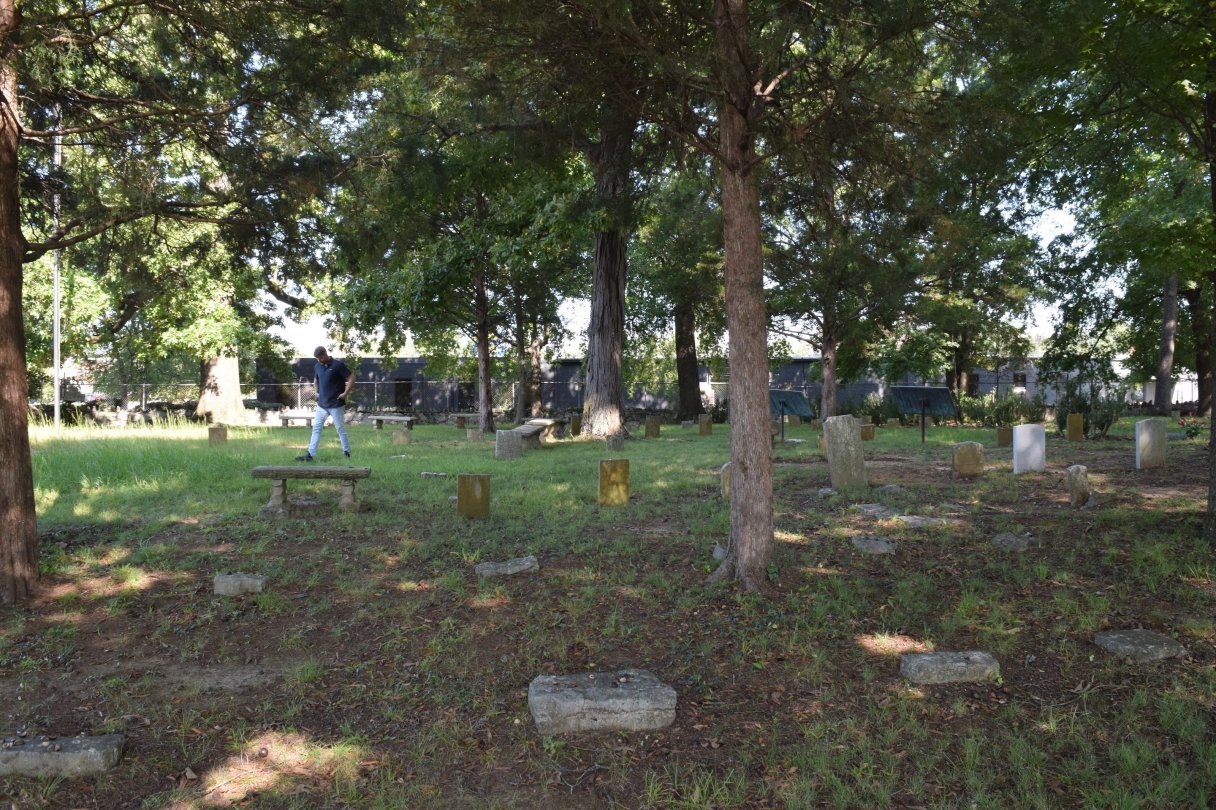
We were reminded of that here two weeks ago with a story about a largely forgotten piece of Chattanooga history — the Brainerd Mission, a small fenced cemetery that seems to float in a sea of parking asphalt between the shops of Brainerd Village and Eastgate.
Chattanooga Times Free Press staff writer Ben Benton, in his haunting piece about this snippet of local Cherokee Indian history, headlined his front page story: “Chattanooga’s Sacred Acre.”
Brainerd Mission, which opened in 1817, was one of the first of more than 408 federally-funded mission schools across the U.S. Too many of those missions became known as harsh boarding schools to “civilize” Indian children and strip away their culture so they might assimilate better with the white settlers moving into their lands.