
Reading at least 20 minutes a day can have a profound positive impact on a child’s development, and the Chattanooga Symphony and Opera wants to turn that experience into something special.
Using $52,000 awarded by the city, the symphony will partner with Hamilton County’s literacy initiative, Read 20, and a local puppetry group called Playful Evolving Monsters to bring storybooks to life.
During a series of upcoming events, a narrator will read a story aloud, instrumentalists will underscore the events with music, puppeteers will reenact the tale, and at the end of the performance, children will be able to bring a copy of the book home. This year, the symphony is adapting “Peter and the Wolf” and “Ferdinand the Bull,” and they will rotate in other well-known stories over the next few seasons.
“It’s such a fully arts-integrated experience,” Susan Caminez, the organization’s director of education and community impact, said in a phone interview. “So when they walk away and have a storybook in hand, they can think of the music again or they can listen to the music again while they read or narrate.”
The city of Chattanooga awards funding to nonprofit organizations to deliver services or cover gaps that the city might otherwise have to fulfill on its own, Chief Financial Officer Brent Goldberg said by phone. The Partnership for Families, Children and Adults, for example, has historically received money from the city to operate a rape crisis center, and the Chattanooga Community Kitchen will receive funds this year to run its cold-weather shelter.







The city has in the past distributed those dollars to agencies as a direct budget appropriation but this year opted to seek proposals from potential recipients — a process officials say is more stringent, more competitive and gives the city more control over the desired impact of the available dollars. Goldberg said the city will execute four-year contracts that detail a specific scope of work and also outline expectations for data sharing.
“One thing that we’ve heard over the years from City Council is that they want to have some additional oversight on what these entities are doing with this money,” Goldberg said.
The Chattanooga Symphony and Opera was one of the organizations that recently received funding, and Goldberg said it’s also one of at least a handful of nonprofits the city has never funded before.
“This process has allowed nonprofits that have historically not received funds to receive funds based on the quality of their proposals,” he said.
City staff told local nonprofits about the process change in early June, issued six requests for proposals on June 30 and notified agencies of their awards around Sept. 1. The City Council approved funding for recipients in five categories on Tuesday, totaling $3.39 million annually over the next four years for about two dozen agencies.
The five categories are economic and workforce development, early learning, community arts, homeless services and social services. The city also issued a request for proposals for youth programming, but Goldberg said officials chose not to award any funding in that category because they weren’t sure the responses they received would cover gaps in that area. The city plans to further refine that request.
Goldberg said nonprofit agencies used to submit requests during the budget process, and the administration would present those to the council as part of the proposed budget. Before 2013, nonprofit agencies requested money directly from City Council.
Council member Chip Henderson, of Lookout Valley, said Friday that once organizations received funding, the city didn’t have a way to measure outcomes. With a request for proposals, the city can define those measures and hold groups accountable, he said.
“We’re always talking about the biggest impact for our dollars,” Henderson said by phone. “That’s really what we’re looking for here.”
If a nonprofit receives funding for a literacy program, for example, city leaders want to be able to see measurable improvements in a child’s reading ability rather than simply the number of children served through the initiative.
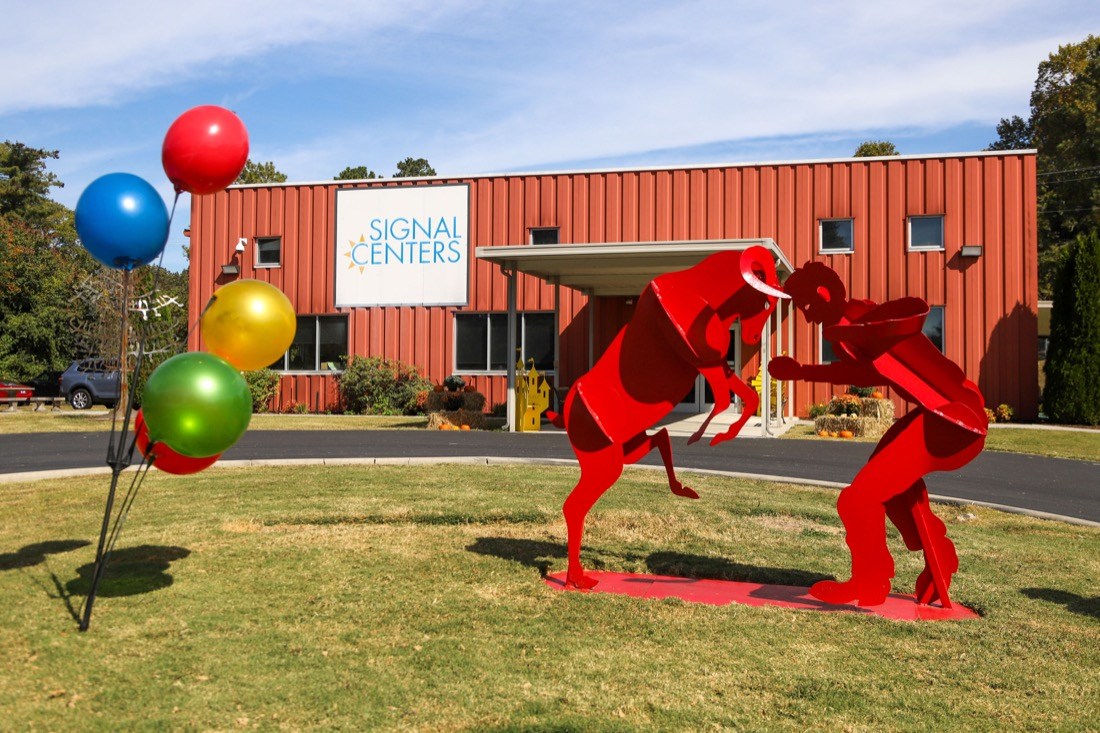
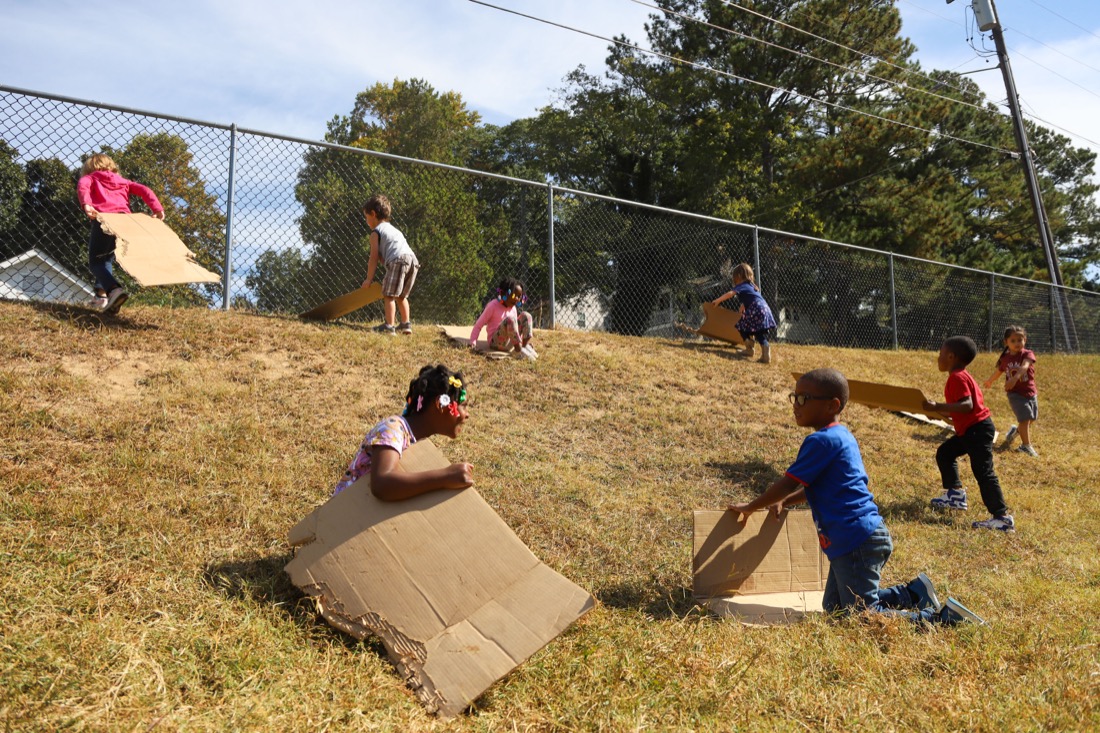
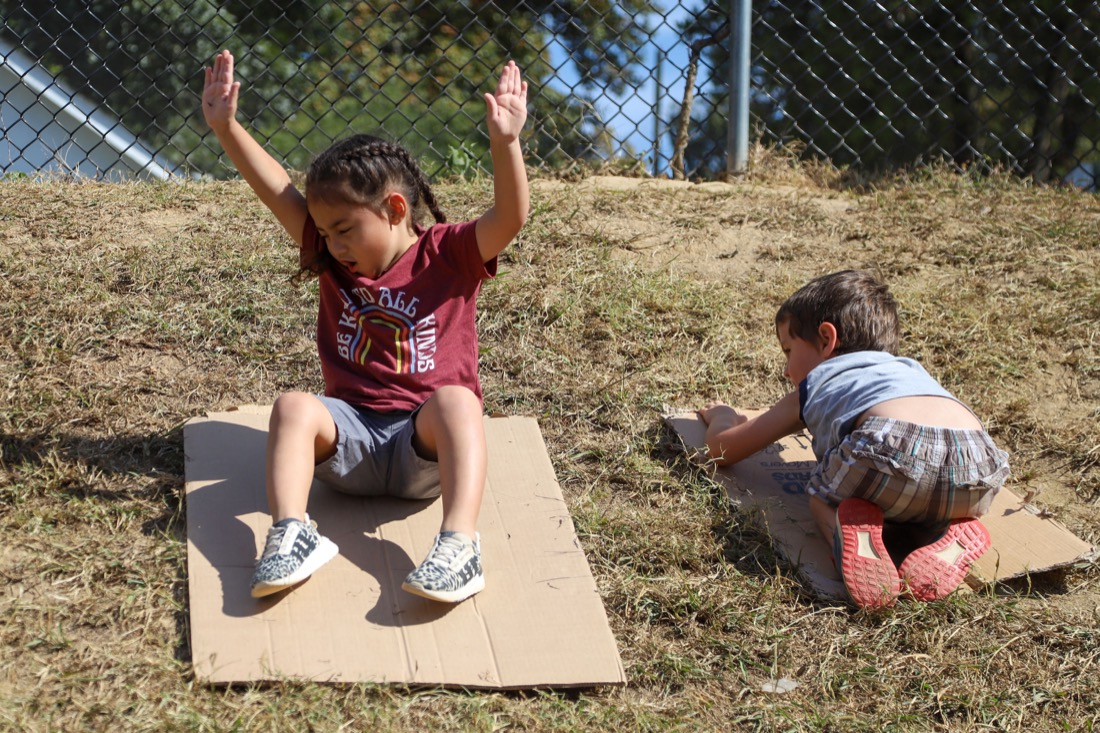
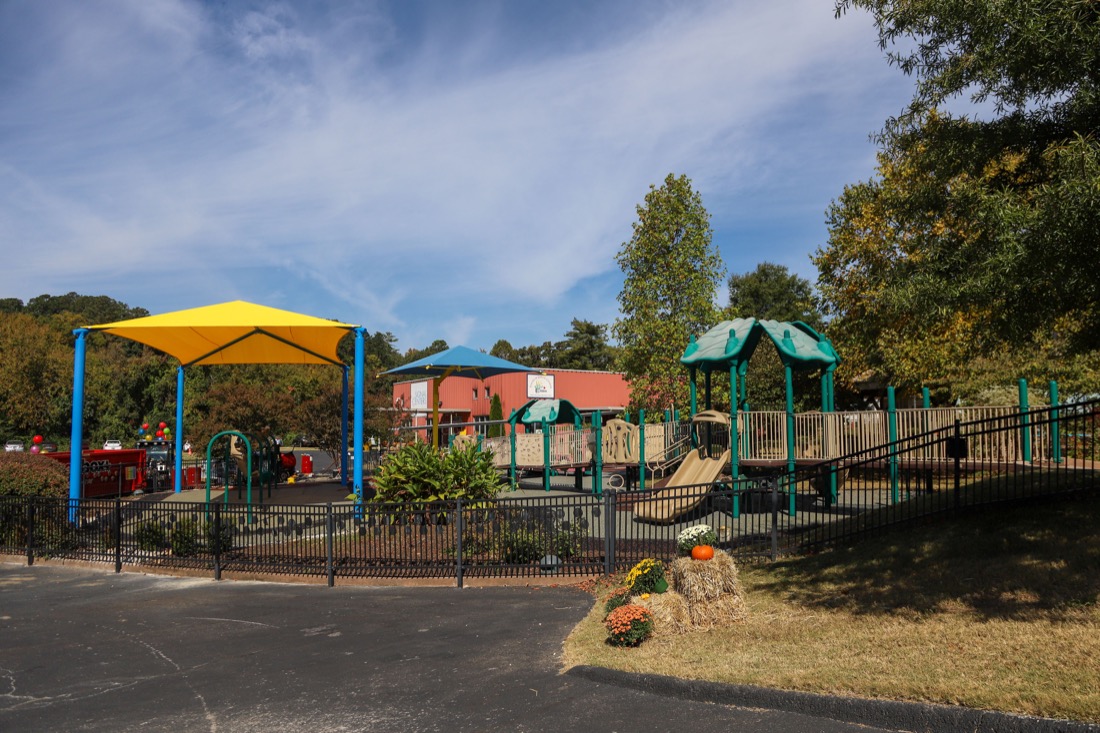
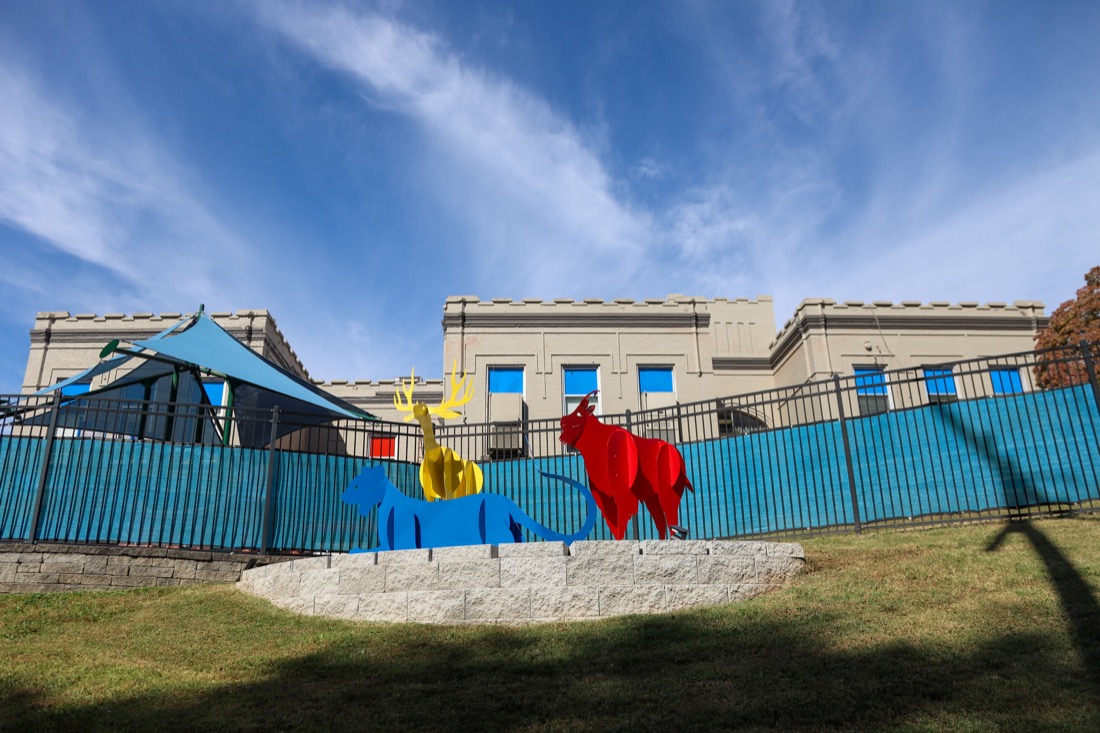
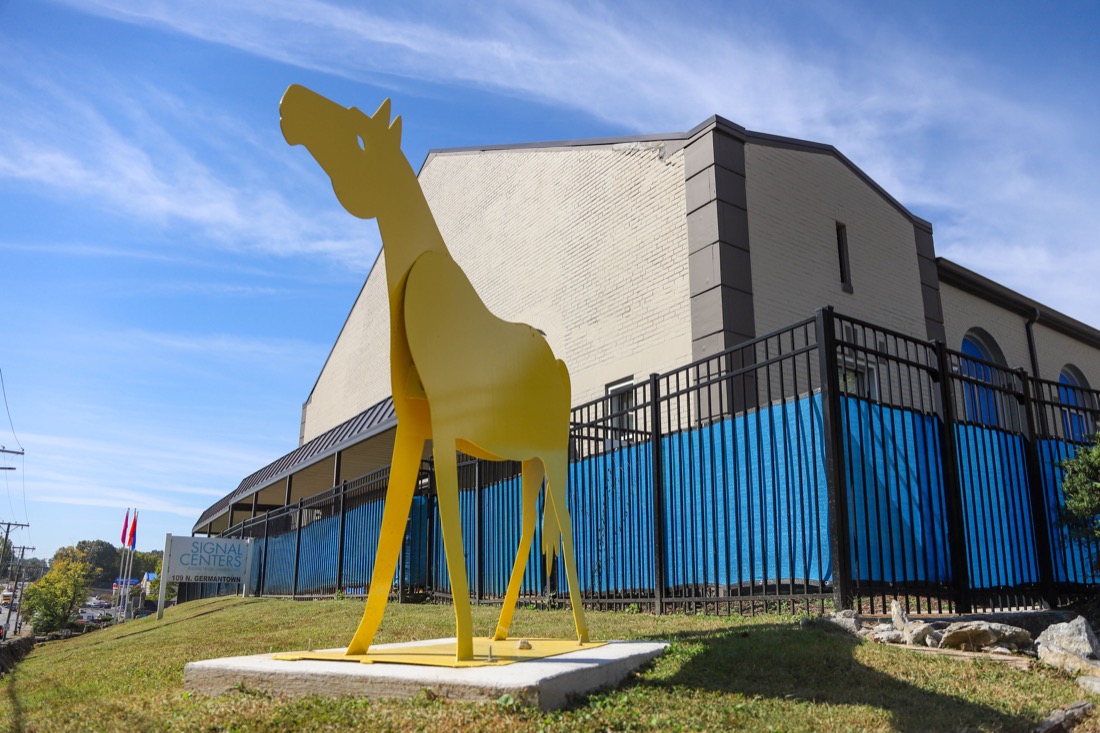
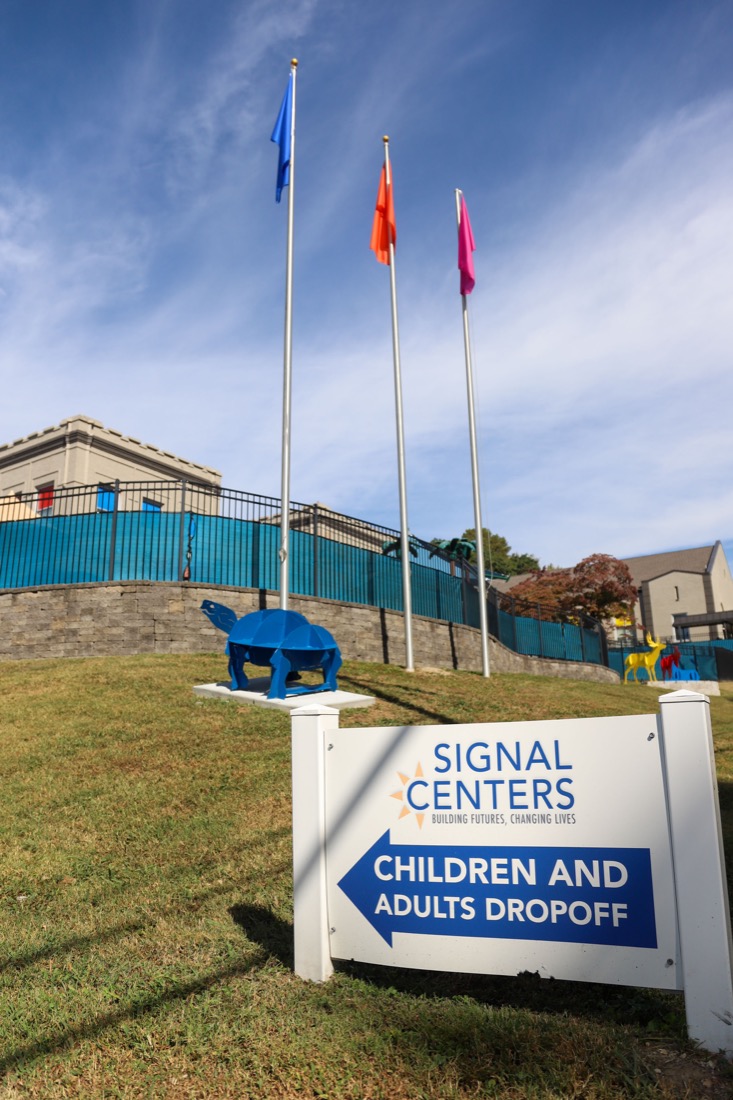
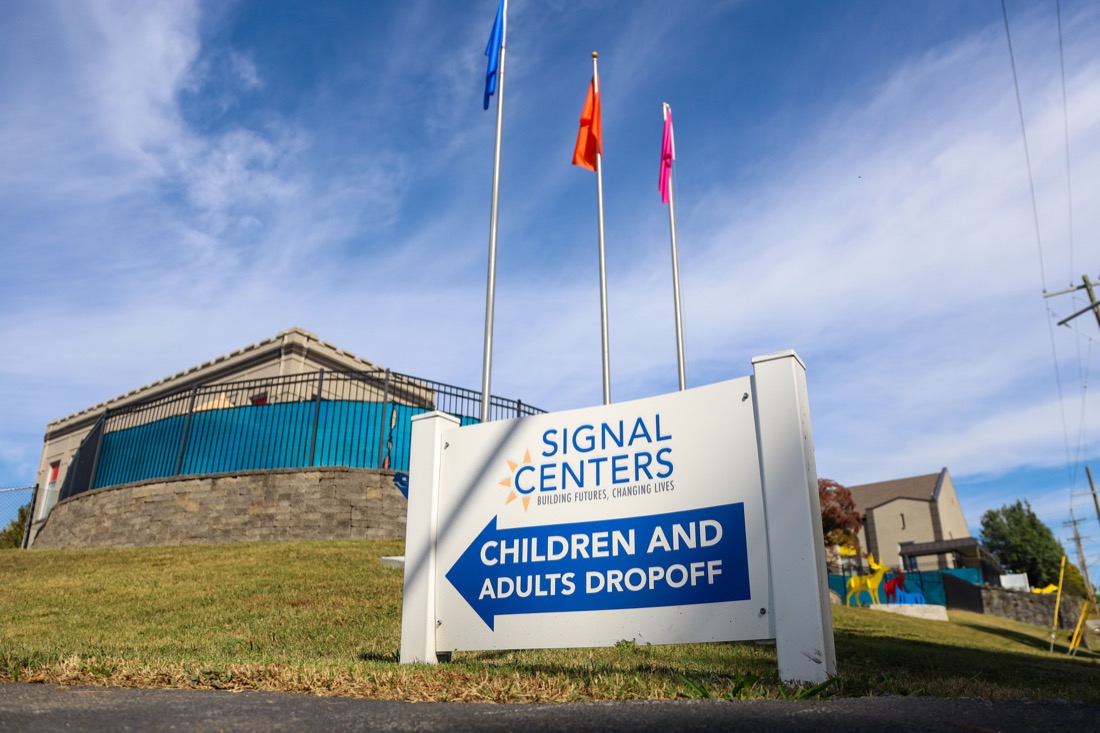
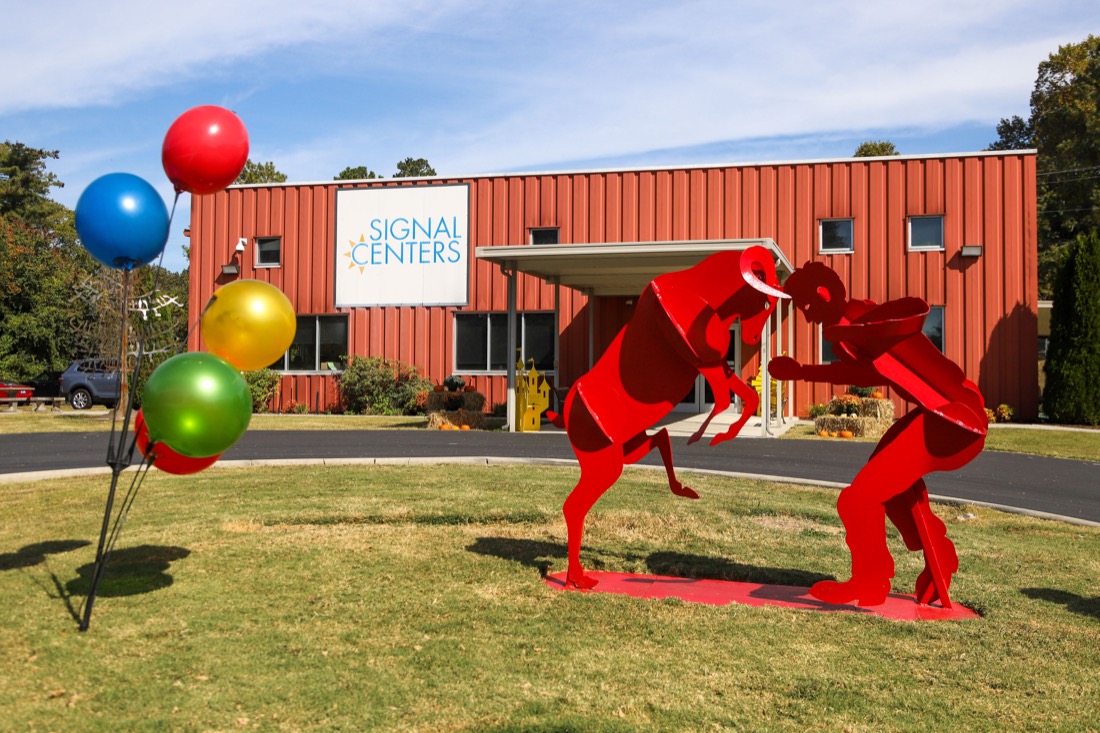
Signal Centers, which offers early childhood education and programming for people with disabilities, is another local nonprofit that will receive annual funding from the city over the next four years: $535,000 for social services programming and $100,000 in early learning.
On the social services side, that includes money for a program called Family Forward, which offers intensive case management and mentoring for pregnant mothers and families with young children in some of the lowest income parts of the city.
“The idea is, if children can get a healthy start and families can have the resources they need, then children will go further and do better,” Signal Centers CEO Donna McConnico said in a phone interview.
Staff members also ensure expectant mothers receive pre-natal care and will work with pregnant students at Brainerd High School and the Howard School with the goal of helping them graduate, which becomes immensely difficult while also caring for a newborn.
Funding from the city will also support day services for adults with disabilities and Signal Centers’ inclusive child care program, which serves children from birth to five years old. McConnico said half of the program’s children have disabilities, and 80% qualify for free or reduced lunch.
McConnico said she’s a huge advocate for holding the recipients of city funds accountable. Signal Centers has over the past 10 years started a program evaluation for all of its internal initiatives, she said, contracting with the Ochs Center and the University of Tennessee’s Social Work Office of Research and Public Service.
“We were excited about this opportunity to really showcase what we’ve been trying to do,” she said. “I know that it can be hard for smaller nonprofits to have the resources to do that kind of work, but I do think it helps us all to think about, instead of just what’s going on today and meeting the needs of the families, what impact are we having to bring Chattanoogans together?”
Contact David Floyd at dfloyd@timesfreepress.com or at 423-757-6249. Follow him on Twitter @flavid_doyd.