
SUFFOLK, Va. (AP) — Whenever historic homes get flooded, building contractors often feel compelled by government regulations to rip out the water-logged wood flooring, tear down the old plaster walls and install new, flood-resistant materials.
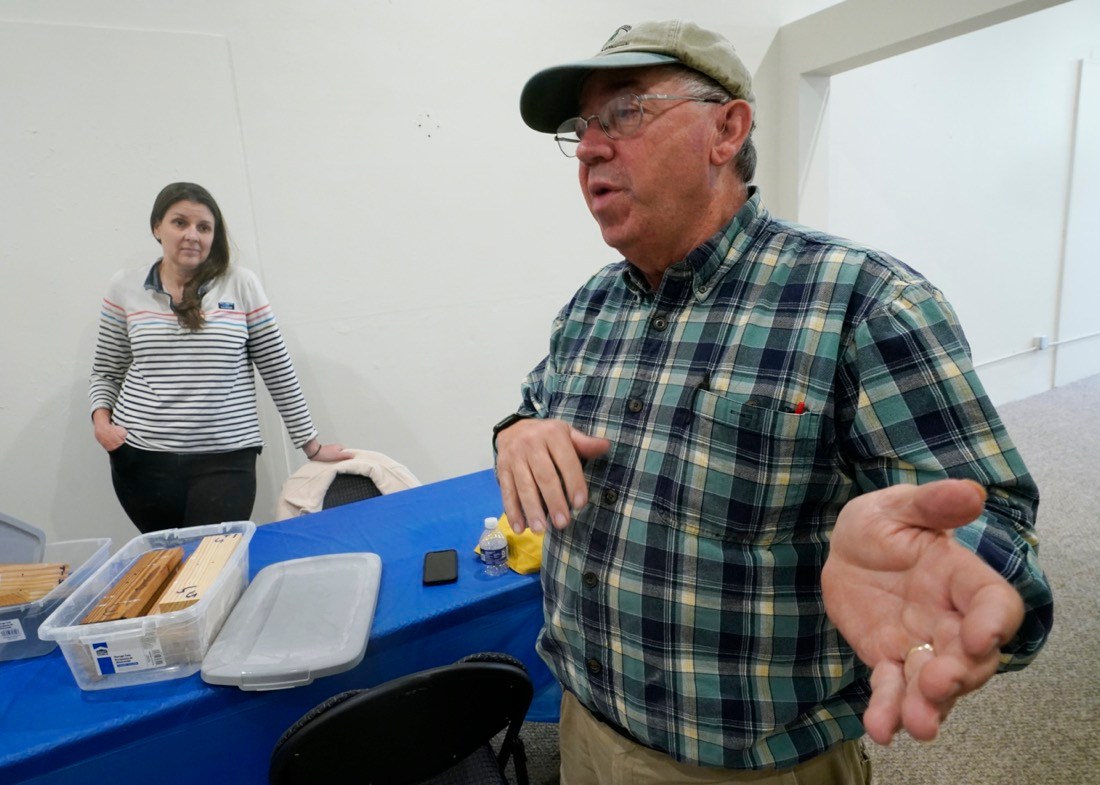
It’s a hurried approach that’s likely to occur across southwest Florida in the wake of Hurricane Ian. But restorers Paige Pollard and Kerry Shackelford say they know something that science is yet to prove: historic building materials can often withstand repeated soakings. There’s often no need, they say, to put in modern products such as box-store lumber that are both costly to homeowners and dilute a house’s historic character.
“Our forefathers chose materials that were naturally rot-resistant, like black locust and red cedar and cypress,” said Shackelford, who owns a historic restoration business. “And they actually survive better than many of the products we use today.”
Pollard and Shackelford are part of an emerging movement in the U.S. that aims to prove the resilience of older homes as more fall under the threat of rising seas and intensifying storms due to climate change. They hope their research near Virginia’s coast can convince more government officials and building contractors that historic building materials often need cleaning — not replacing — after a flood.
In Florida, historic preservationists already fear older homes damaged by Ian may be stripped of original materials because so few craftsmen are available who can properly perform repairs.