
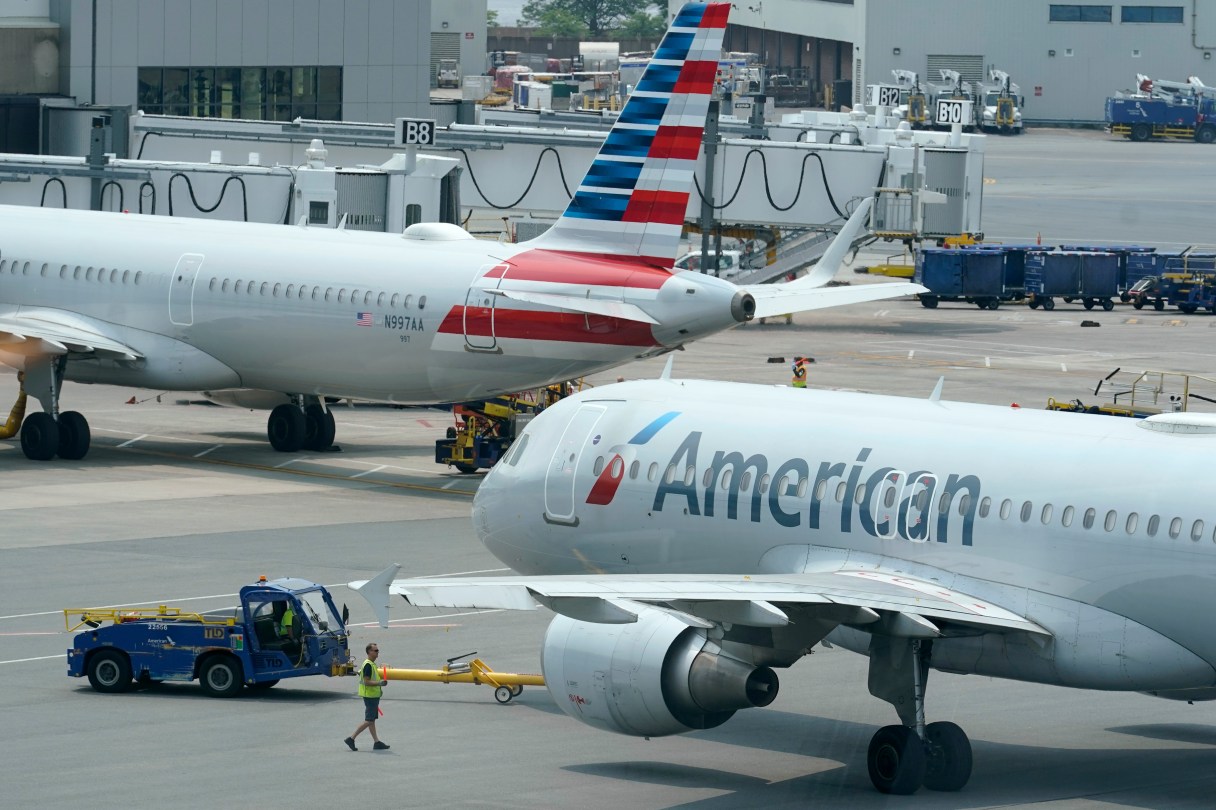
For would-be vacationers, this has been the summer of our discontent. In the wake of the pandemic, severe staffing shortages have triggered a crush of disruption: Flight cancellations abound while check-in lines snake out the terminal door. Travelers wonder when the chaos will abate.
But what if this isn’t just a temporary hiccup? This summer’s air travel meltdown could well be the canary in the coal mine for the labor shortages we may soon experience across the economy as boomers retire, population growth slows and training lags. To avoid further shortages, we must rethink how we invest in workers and start planning ahead.
Across sectors, today’s problems have been a long time coming. For those who think travel headaches are simply the product of pent-up wanderlust, consider this: According to the labor market analytics firm Lightcast, job openings for pilots have grown 72% since 2016 while the number of pilots at work has grown only 12%, a profound gap that demonstrates just how many jobs are going unfilled.
Similar gaps are apparent across fields. Over the past five years, growth in demand for registered nurses has outpaced growth in supply tenfold, while job openings for electrical engineers have grown three times faster than the available workforce.
Meanwhile, in many fields, a wave of impending retirements threatens to overwhelm the ability of colleges to graduate new talent. For example, even as the supply chain disruption widens, twice as many logisticians exit the field annually as earn relevant degrees. Recession may cool demand for a time, but the long-term trend is clear.