
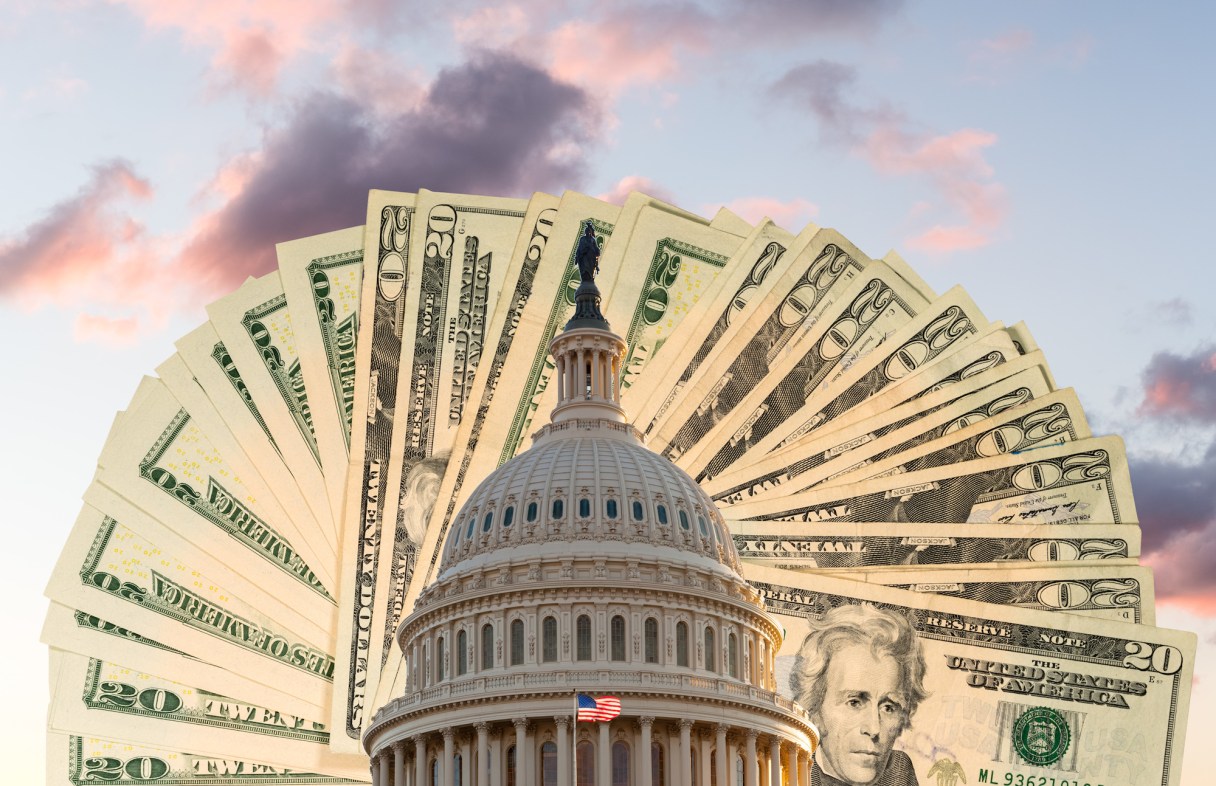
With unemployment low, inflation high and interest rates on the rise, the time is right to bring back an old idea: bipartisan talks to reduce the federal budget deficit.
It wasn’t so long ago that the U.S. was consumed by a mania for deficit reduction. From the Simpson-Bowles Commission to the so-called Supercommittee, from sequestration to the fiscal cliff, the topic was unavoidable.
Republicans wanted sweeping cuts to government spending. Then-President Barack Obama was willing to meet them halfway, but only if they would join him in raising taxes on the wealthy. Ultimately, the grand bargain didn’t happen. But federal discretionary spending was restrained, the tax cuts enacted under President George W. Bush were partially reversed, and the deficit did fall.
Remarkably, this all happened at a time when the unemployment rate was high, inflation was low, and interest rates were at zero. The macroeconomic circumstances, in other words, were ideally suited for the reverse policy mix — a bipartisan deal to give Obama more spending and Republicans extended tax cuts.
Nowadays, perhaps scarred by the futility of the early teens deficit mania, nobody talks anymore about bipartisan deficit reduction, commissions or grand bargains. But a return to the political obsessions of a decade ago would suit the present moment. The deficit, as a share of GDP, is shrinking rapidly from its pandemic lows but projects to be about the same this year as it was a decade ago, and to expand in the future as the elderly share of the population grows.