
Monday, November 16, 2026Nov 16

NTSB wants all new vehicles to check drivers for alcohol use

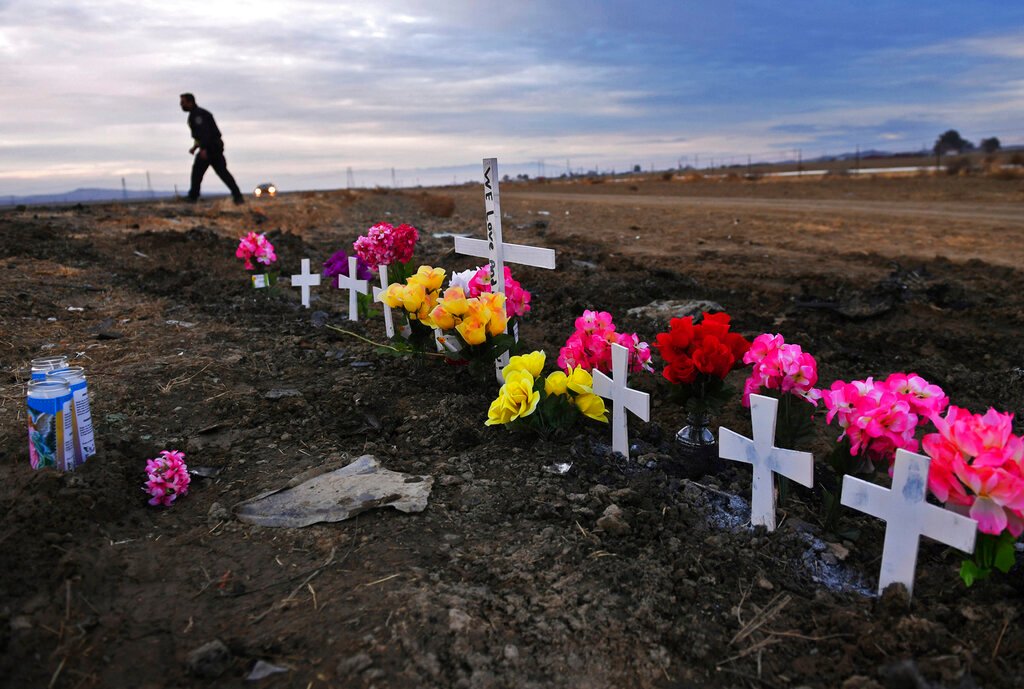
FILE - A row of crosses form a memorial along Highway 33 as police officers survey the scene a day after a crash killed nine people south of Coalinga, Calif., Saturday, Jan. 2, 2021. Investigators said the driver of an SUV involved in the crash was drunk and didn't have a license. The National Transportation Safety Board will use a final report on the crash to launch an effort to lobby for regulations requiring alcohol breath testing devices on all new vehicles. (Eric Paul Zamora/The Fresno Bee via AP)

DETROIT (AP) — The National Transportation Safety Board is recommending that all new vehicles in the U.S. be equipped with blood alcohol monitoring systems that can stop an intoxicated person from driving.

The recommendation, if enacted by the National Highway Traffic Safety Administration, could reduce the number of alcohol-related crashes, one of the biggest causes of highway deaths in the U.S.

The new push to make roads safer was included in a report released Tuesday about a horrific crash last year in which a drunk driver collided head-on with another vehicle near Fresno, California, killing both adult drivers and seven children.

NHTSA said this week that roadway deaths in the U.S. are at crisis levels. Nearly 43,000 people were killed last year, the greatest number in 16 years, as Americans returned to roads after pandemic stay-at-home orders.

Early estimates show fatalities rising again through the first half of this year, but they declined from April through June, which authorities are hoping is a trend.