
RESERVE, La. (AP) — Sprawling industrial complexes line the drive east along the Mississippi River to the majority-Black town of Reserve, Louisiana. In the last seven miles the road passes a massive, rust-colored aluminum-oxide refinery, then the Evonik chemical plant, then rows of white tanks at the Marathon oil refinery.
But it’s the Denka chemical plant that is under scrutiny from federal officials. Less than a half mile from an elementary school in Reserve, it makes synthetic rubber, emitting chloroprene, listed as a carcinogen in California, and a likely one by the Environmental Protection Agency.
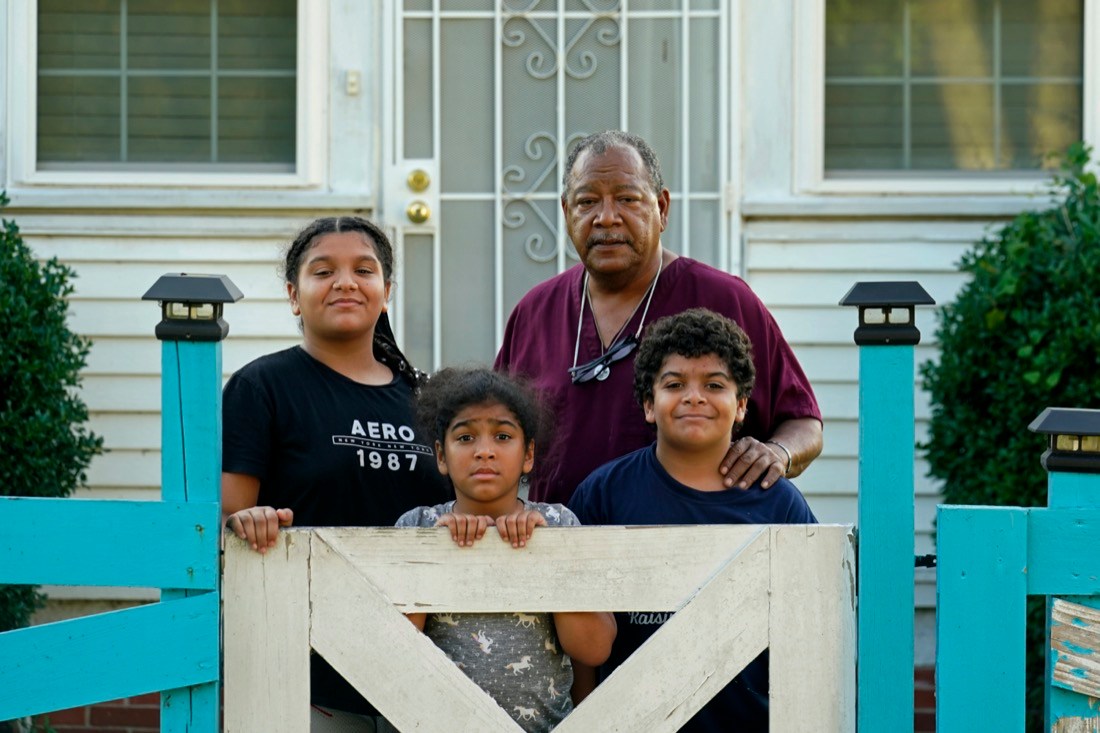
Angelo Bernard is a grandfather whose family has lived in Reserve for generations. His three grandkids used to attend the school, Fifth Ward Elementary. Hurricane Ida forced them to move.
“I’m glad they’re away,” said Bernard. “I feel for the kids that have to go to school that close to the plant.”
The investigation is part of a push by the Biden administration to prioritize environmental enforcement in communities overburdened by pollution. On Saturday, that push ratcheted up a notch when EPA administrator Michael Regan announced the creation of a new office at EPA focused on environmental justice.