
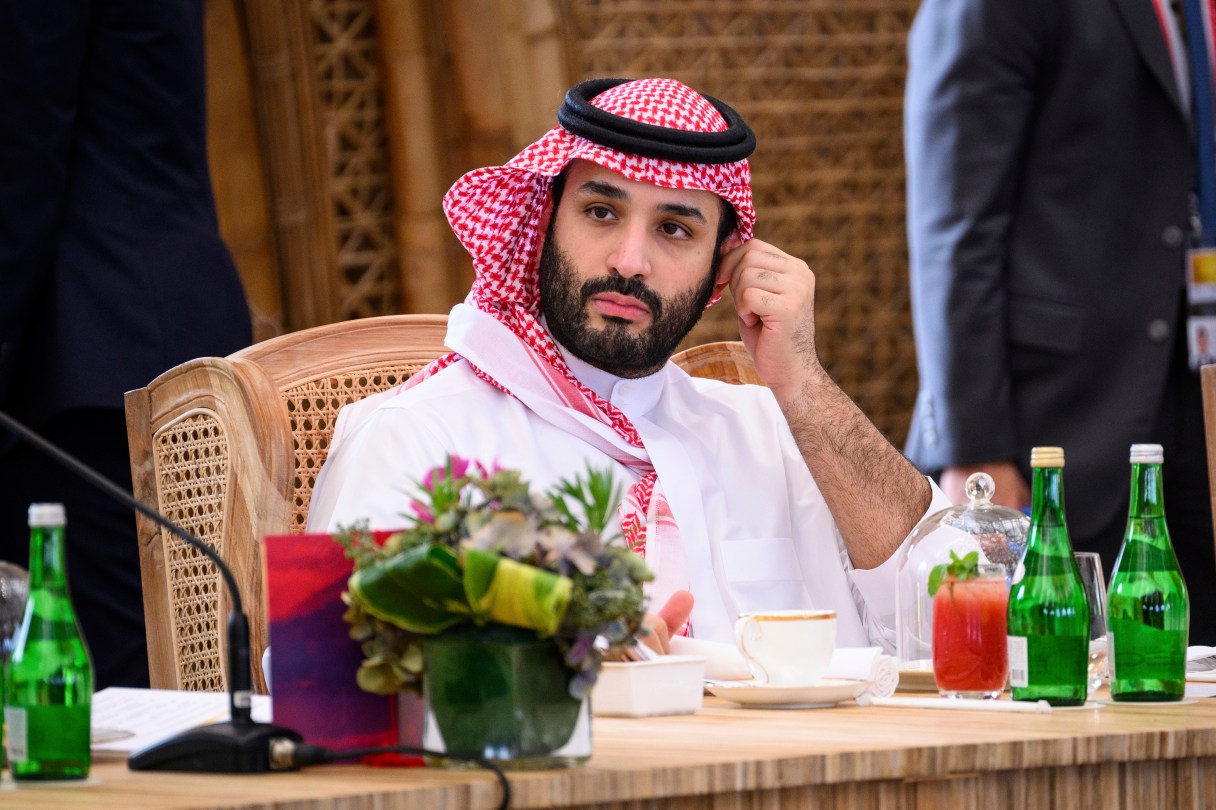
DUBAI, United Arab Emirates (AP) — In the years since Saudi Crown Prince Mohammed bin Salman catapulted to power, it has been hard to find a controversy in the Middle East that doesn’t somehow involve the 37-year-old heir to the throne. Now he’s pivoting to his next audacious plan: Giving peace a chance.
The moves toward reaching a détente with Iran, reestablishing ties to Syria and ending the kingdom’s yearslong war in Yemen could extricate Prince Mohammed from some of the thorniest regional issues he faces.
Whether it succeeds will have profound impacts on the wider Middle East and on his expansive plans to reshape the kingdom away from oil and further into his image. Failure threatens not only his impending rule over a nation crucial to global energy supplies, but a wider region shaken by years of tensions, inflamed in part by his decisions.
Prince Mohammed’s rise accelerated in 2015 after his father, King Salman, appointed him as deputy crown prince. That year saw Mohammed, also the country’s defense minister at the time, plunge Saudi Arabia into a military campaign in Yemen, a civil war that grew into a regional proxy battle still continuing today. Riyadh supports Yemen’s exiled government against the Iranian-backed Houthi rebels who hold Sanaa, the country’s capital.