
Friday, November 13, 2026Nov 13

Novel treatment shows promise against rare cancer in kids

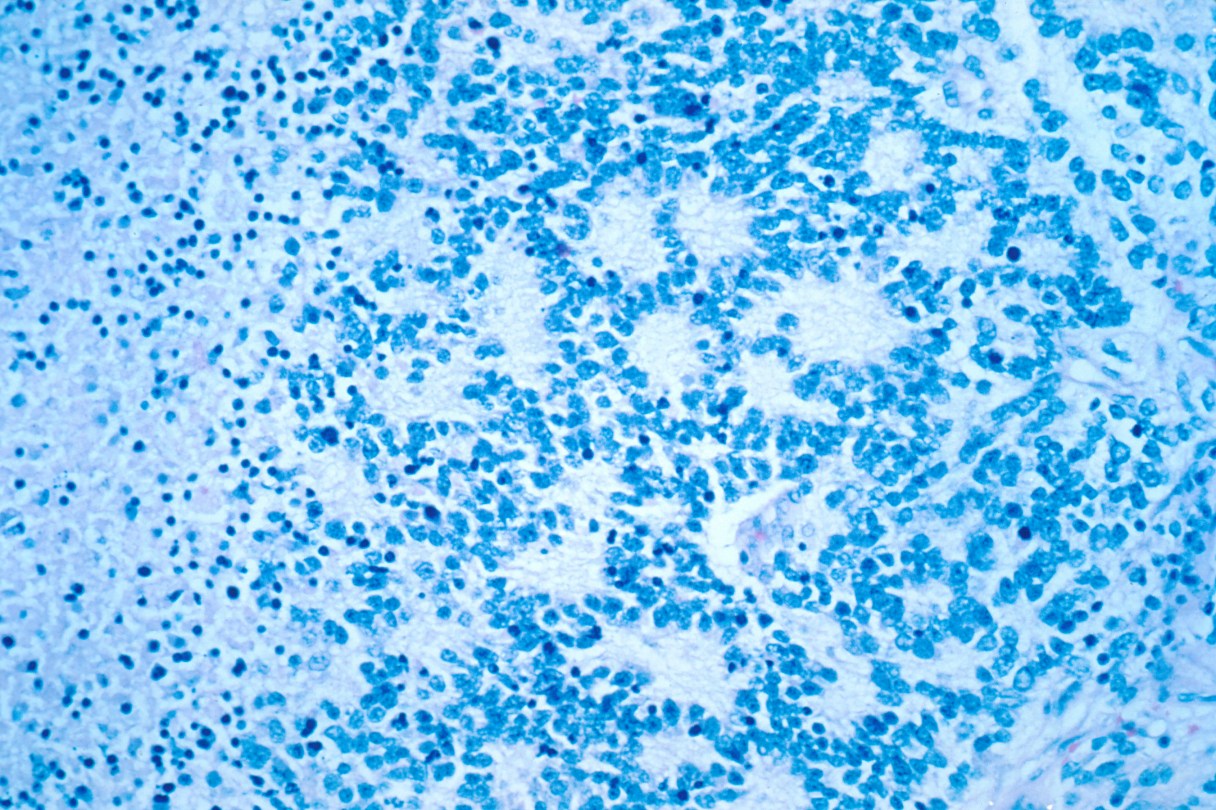
This December 1993 microscope photo provided by the National Cancer Institute shows a typical neuroblastoma with rosette formation. In a study published Wednesday, April 5, 2023, in the New England Journal of Medicine, a novel treatment, CAR-T cell therapy, using supercharged immune cells, appears to work against tumors in children with the rare kind of cancer. (Dr. Maria Tsokos/National Cancer Institute via AP)
This December 1993 microscope photo provided by the National Cancer Institute shows a typical neuroblastoma with rosette formation. In a study published Wednesday, April 5, 2023, in the New England Journal of Medicine, a novel treatment, CAR-T cell therapy, using supercharged immune cells, appears to work against tumors in children with the rare kind of cancer. (Dr. Maria Tsokos/National Cancer Institute via AP) This December 1993 microscope photo provided by the National Cancer Institute shows a typical neuroblastoma with rosette formation. In a study published Wednesday, April 5, 2023, in the New England Journal of Medicine, a novel treatment, CAR-T cell therapy, using supercharged immune cells, appears to work against tumors in children with the rare kind of cancer. (Dr. Maria Tsokos/National Cancer Institute via AP)

A novel treatment using supercharged immune cells appears to work against tumors in children with a rare kind of cancer, researchers reported Wednesday.

Nine of 27 children in the Italian study had no sign of cancer six weeks after the treatment, although two later relapsed and died.

The treatment — called CAR-T cell therapy — is already used to help the immune system fight leukemia and other cancers in the blood. This is the first time researchers have achieved such encouraging results in solid tumors, experts in the field said, and raises hopes that it can be used against other kinds of cancers.

It’s too soon to call it a cure for neuroblastoma, a nerve tissue cancer that often starts in infancy in the adrenal glands near the kidneys in the abdomen.

Standard treatment can be intense, involving chemotherapy, surgery and radiation, depending on the cancer’s stage and other factors. The children in the study had cancers that had come back or were particularly hard to treat.