
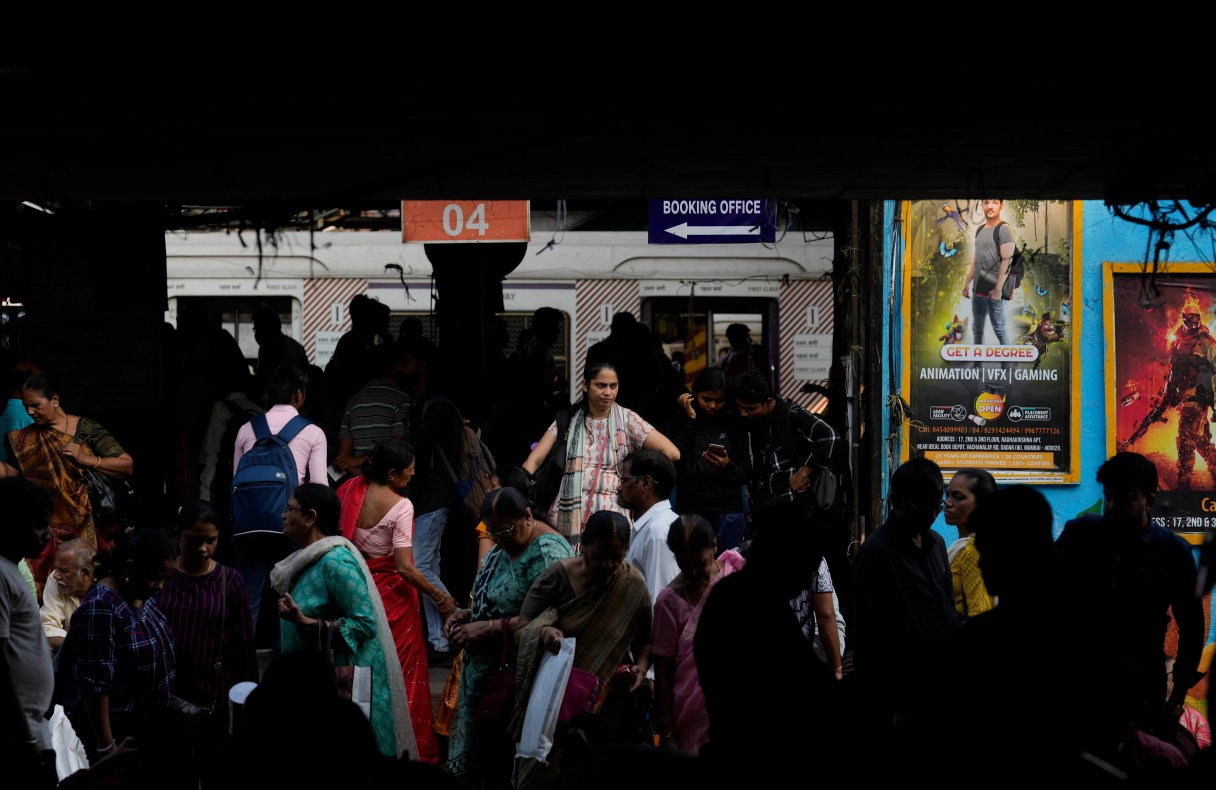
EDITOR’S NOTE: This story is part of an ongoing series exploring what it means for the 1.4 billion inhabitants of India to live in what will be the world’s most populated country.
MUMBAI, India (AP) — Sheela Singh cried the day she handed in her resignation.
For 16 years, she had been a social worker in Mumbai, India’s frenetic financial capital, and she loved the work. But her family kept telling her she needed to stay at home to take care of her two children. She resisted the pressure for years, but when she found out her daughter was skipping school when she was at work, it felt like she didn’t have a choice.
“Everyone used to tell me my kids were neglected … it made me feel really bad,” Singh, 39, said.
When she resigned in 2020, Singh was earning more money than her husband, an auto-rickshaw driver whose earnings fluctuated day to day. But nobody suggested he quit.