

One in four Americans is currently boycotting a product or company with which they used to spend money, according to a 2022 LendingTree survey.
The most likely Americans to boycott a product or company, the survey revealed, are those who annually make six figures, those who make between $75,000 and $99,999, members of Generation Z, and Democrats. The top reasons they do so are the company’s political donations, the belief the company is mistreating employees and their disagreement with the company’s stance on social issues.
Anyone who chooses to boycott a product or company probably understands one of two things: The boycott makes them feel good, even if they realize it’s unlikely to hurt the company’s bottom line. Or the boycott might have a slight chance to be effective if enough people are like-minded.
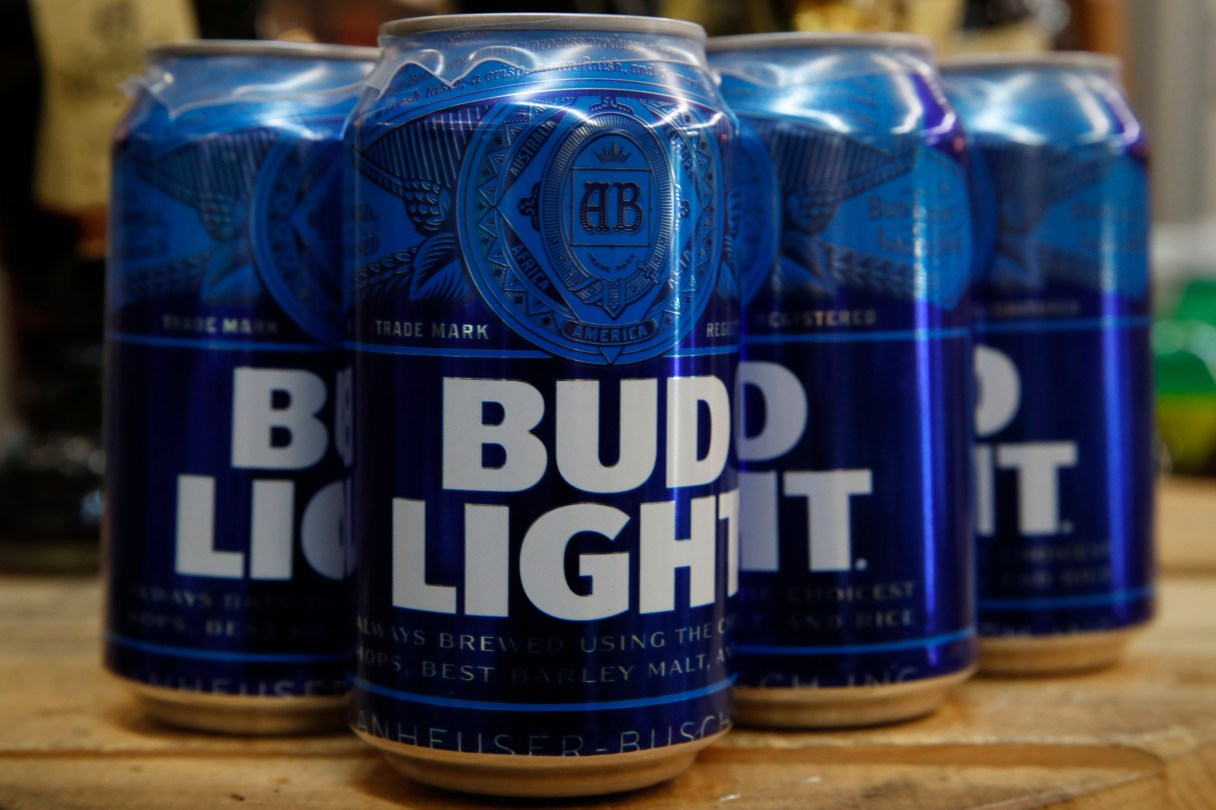
The latter is what Anheuser-Busch is realizing these days as cultural conservatives reject the company’s Bud Light beer — the number-one beer in the country — due to its promotional campaign with transgender activist Dylan Mulvaney. (One video showed the social media influencer in a bathtub drinking a can of the beer.)
In essence, a sort of boycott happens when we buy most anything. We choose Product B over Product A or choose to see a movie rather than go to a restaurant.
But, clearly, there’s power in numbers.
Country music singer John Rich, who owns a Nashville bar, said on “Tucker Carlson Tonight” earlier this week that Bud Light had been the establishment’s best-selling beer until the promotional campaign.
“The customers decide,” he said. “Customers are king. … We got cases and cases and cases of it sitting back there. But in the past several days you’re hard-pressed to find anyone ordering one. So as a business owner, I go, hey if you aren’t ordering it, we got to put something else in here. At the end of the day, that’s capitalism. That’s how it works.”
Elsewhere, in a sampling of Middle America’s reaction, the owner of Smokin’ This and That BBQ in Florence, Ky., posted a Facebook message that he’d no longer be serving Budweiser beer in his restaurant because of the alliance with Mulvaney; Wil Fischer Companies canceled an event in Springfield, Mo., where the Budweiser Clydesdale horses were to make an appearance, citing safety concerns for their employees; and country singer Travis Tritt had Anheuser-Busch products removed from his tour bus. And, in a viral video, Kid Rock echoed calls to boycott the brand by taking target practice with cans of the beer.
Remarks about the issue by Anheuser-Busch’s president of marketing, Alissa Heinerscheid, didn’t help matters when she seemed to insult Bud Light drinkers, saying she needed to update the “fratty” and “out of touch” humor of the company.
“I’m a businesswoman, she said. “I had a really clear job to do when I took over Bud Light, and it was ‘This brand is in decline, it’s been in a decline for a really long time, and if we do not attract young drinkers to come and drink this brand there will be no future for Bud Light.'”
The fact that she chose someone who represents the tiny sliver of the population who identifies as transgender to represent “young drinkers” evidently did not sit well with those the brand thought it already had corraled. Where she appeared to translate younger as more inclusive, her established clientele heard “woke.”
Bud Light’s share of the U.S. beer market is 10.6%, but its year-over-year sales were down 0.4% through March 26, according to Circana, which tracks consumers across some 500,000 stores in 20 countries. And that was before the promotional campaign.
Closer to the company’s St. Louis headquarters, the owner of a sports bar in Barnhart, Mo., told Fox Business News the sales of Anheuser-Busch bottled products dropped 30% over the past week and its draft beer 50%.
Meanwhile, internet searches of “Boycott Bud Light” jumped up 810% last week, according to a survey by Averagebeing.com. The most interest was shown in red states, which included Montana, South Carolina, West Virginia and Wyoming.
As a private company, Anheuser-Busch is free to make any marketing choice that helps it sell its products, and Americans should be appreciative the company has that right. In turn, its customers are free to make any buying decisions, for any reason that they want, and Americans should be happy they can do that.
In the short run, we don’t believe the beer company is going to achieve its promotional campaign goal of increasing Bud Light sales. After all, Americans proudly vote as much with their bucks as they do with their ballots.