
Saturday, November 14, 2026Nov 14

Rosalind Franklin’s role in DNA discovery gets a new twist

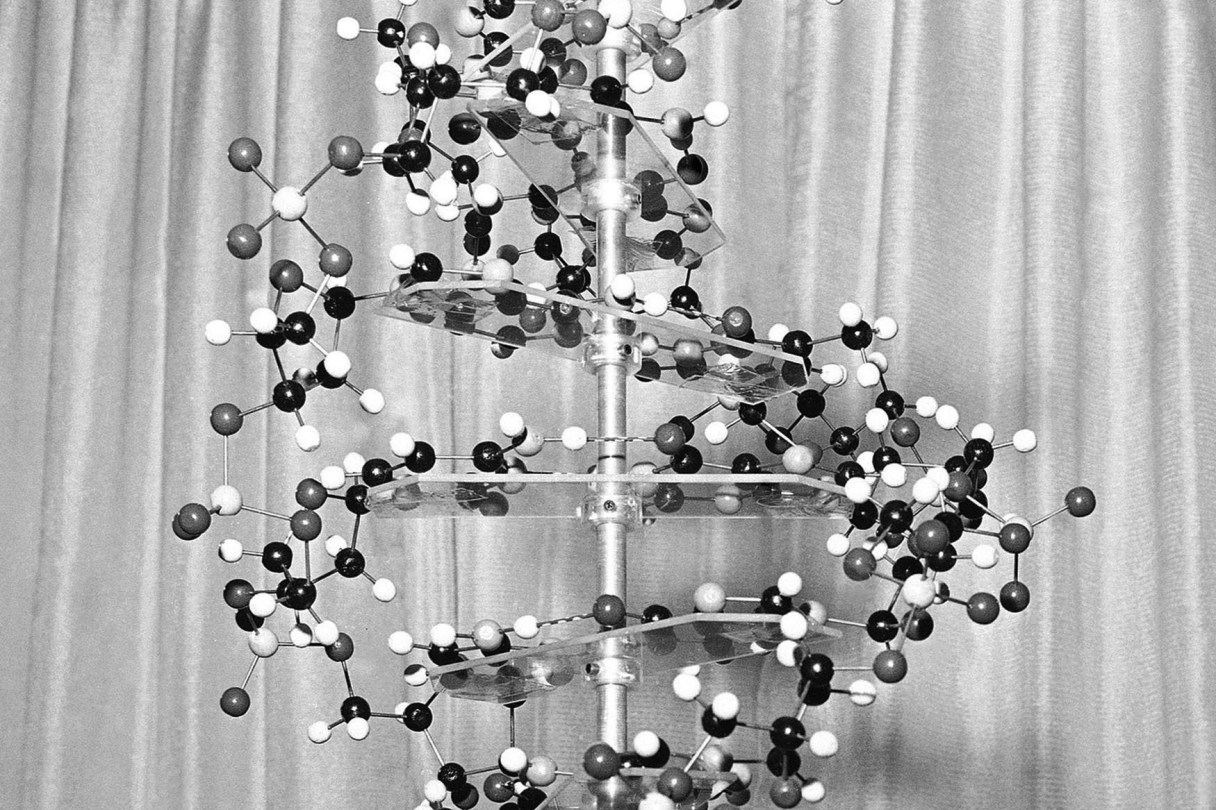
FILE - A model of a DNA molecule is displayed in the New York office of the Sloan-Kettering Institute for Cancer Research on Oct. 18, 1962. The discovery of DNA’s “twisted ladder” structure 70 years ago opened up a world of new science — and also sparked disputes over who contributed what and who deserves credit. In an opinion piece published Tuesday, April 25, 2023, in the journal Nature, two historians are suggesting that while James Watson and Francis Crick did rely on research from Rosalind Franklin and her lab without their permission — Franklin was more a collaborator than just a victim. (AP Photo/Anthony Camerano, File)

NEW YORK (AP) — The discovery of DNA’s double helix structure 70 years ago opened up a world of new science — and also sparked disputes over who contributed what and who deserves credit.

Much of the controversy comes from a central idea: that James Watson and Francis Crick — the first to figure out DNA’s shape — stole data from another scientist named Rosalind Franklin.

Now, two historians are suggesting that while parts of that story are accurate — Watson and Crick did rely on research from Franklin and her lab without their permission — Franklin was more a collaborator than just a victim.

In an opinion article published Tuesday in the journal Nature, the historians say the two different research teams were working in parallel toward solving the DNA puzzle and knew more about what the other team was doing than is widely believed.

“It’s much less dramatic,” said article author Matthew Cobb, a zoologist at the University of Manchester who is working on a biography of Crick. “It’s not a heist movie.”