
WASHINGTON (AP) — Silicon Valley Bank failed due to a combination of extremely poor bank management, weakened regulations and lax government supervision, the Federal Reserve said Friday, in a highly-anticipated review of how the central bank failed to properly supervise the bank before it collapsed early last month.
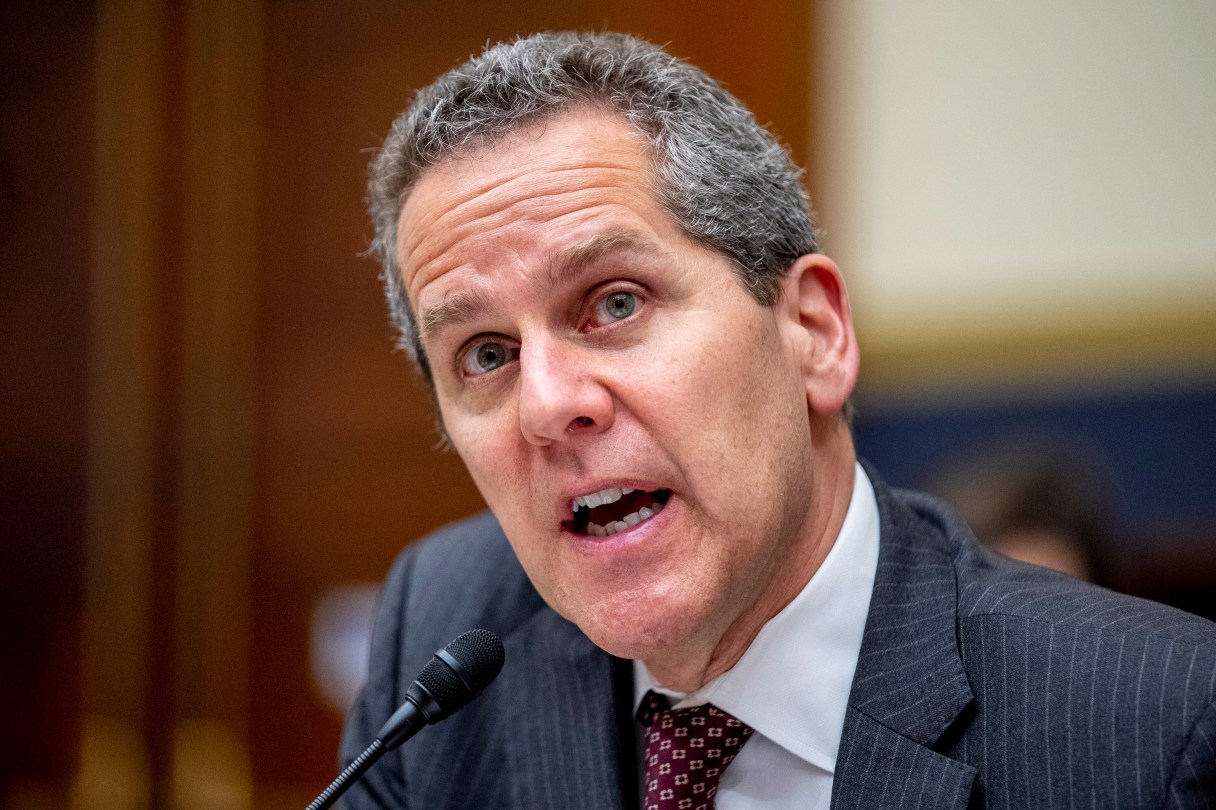
The report, authored by Federal Reserve staff and Michael Barr, the Fed’s vice chair for supervision, takes a critical look at what the Fed missed as Silicon Valley Bank grew quickly in size in the years leading up to its collapse. The report also points out underlying cultural issues at the Fed, where supervisors were unwilling to be hard on bank management when they saw growing problems.
“The Federal Reserve did not appreciate the seriousness of critical deficiencies in the firm’s governance, liquidity, and interest rate risk management. These judgments meant that Silicon Valley Bank remained well-rated, even as conditions deteriorated and significant risk to the firm’s safety and soundness emerged,” the report said.
The Fed also said, based on its own report, it plans to reexamine how it regulates banks the size of Silicon Valley Bank, which had more than $200 billion in assets when it failed. One criticism that has arisen from Silicon Valley Bank’s failure is that the Fed and other regulators took a lighter approach to supervision for midsize banks following the passage of a 2018 banking law that eased some of the tougher restrictions on the industry after the 2008 financial crisis.
“While higher supervisory and regulatory requirements may not have prevented the firm’s failure, they would likely have bolstered the resilience of Silicon Valley Bank,” the report said.