
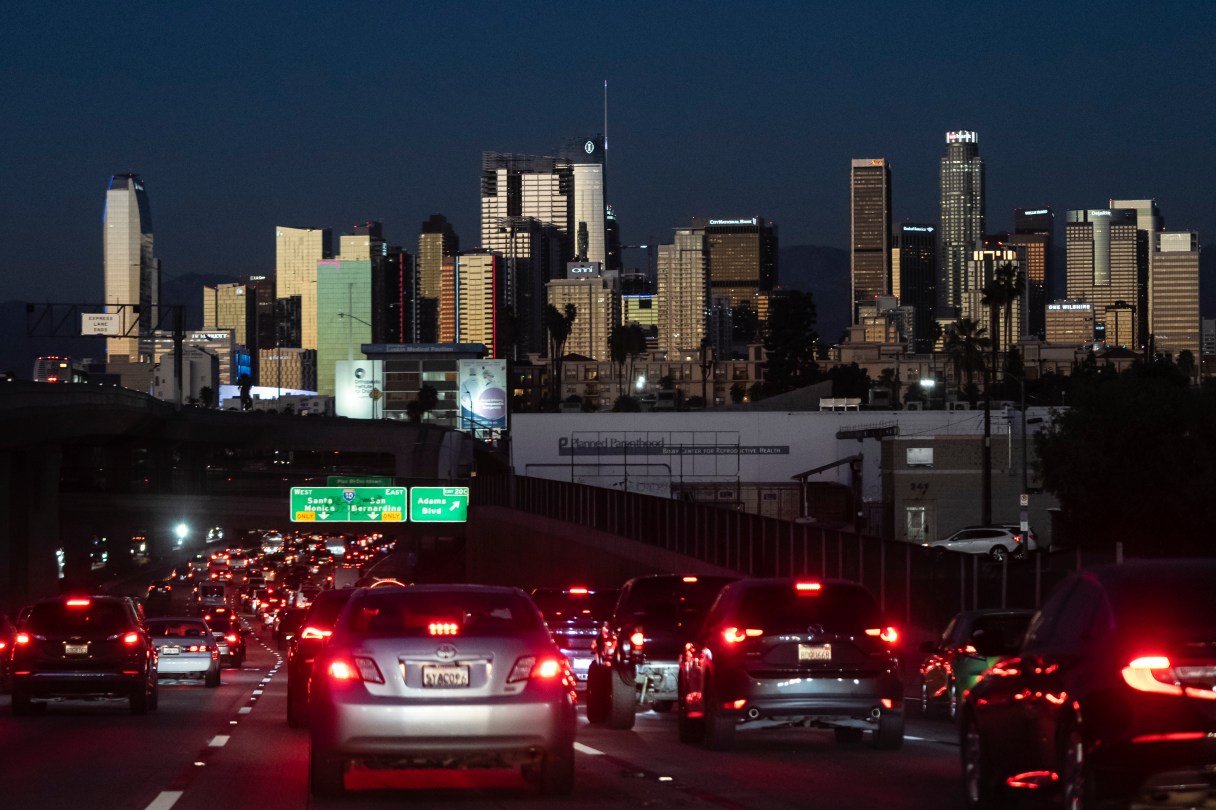
DETROIT (AP) — The U.S. government’s most ambitious plan ever to slash planet-warming greenhouse gas emissions from passenger vehicles faces skepticism both about how realistic it is and whether it goes far enough.
The Environmental Protection Agency in April announced new strict emissions limits that the agency says are vital to slowing climate change as people around the globe endure record-high temperatures, raging wildfires and intense storms.
The EPA says the industry could meet the limits if 67% of new-vehicle sales are electric by 2032, a pace the auto industry calls unrealistic. However, the new rule would not require automakers to boost electric vehicle sales directly. Instead, it sets emissions limits and allows automakers to choose how to meet them.
Even if the industry boosts EV sales to the level the EPA recommends, any reduction in pollution could prove more modest than the agency expects. The Associated Press has estimated that nearly 80% of vehicles being driven in the U.S. — more than 200 million — would still run on gasoline or diesel fuel.