
Scientists are wondering if global warming and El Nino have an accomplice in fueling this summer’s record-shattering heat.
The European climate agency Copernicus reported that July was one-third of a degree Celsius (six-tenths of a degree Fahrenheit) hotter than the old record. That’s a bump in heat that is so recent and so big, especially in the oceans and even more so in the North Atlantic, that scientists are split on whether something else could be at work.
Scientists agree that by far the biggest cause of the recent extreme warming is climate change from the burning of coal, oil and natural gas that has triggered a long upward trend in temperatures. A natural El Nino, a temporary warming of parts of the Pacific that changes weather worldwide, adds a smaller boost. But some researchers say another factor must be present.
“What we are seeing is more than just El Nino on top of climate change,” Copernicus Director Carlo Buontempo said.
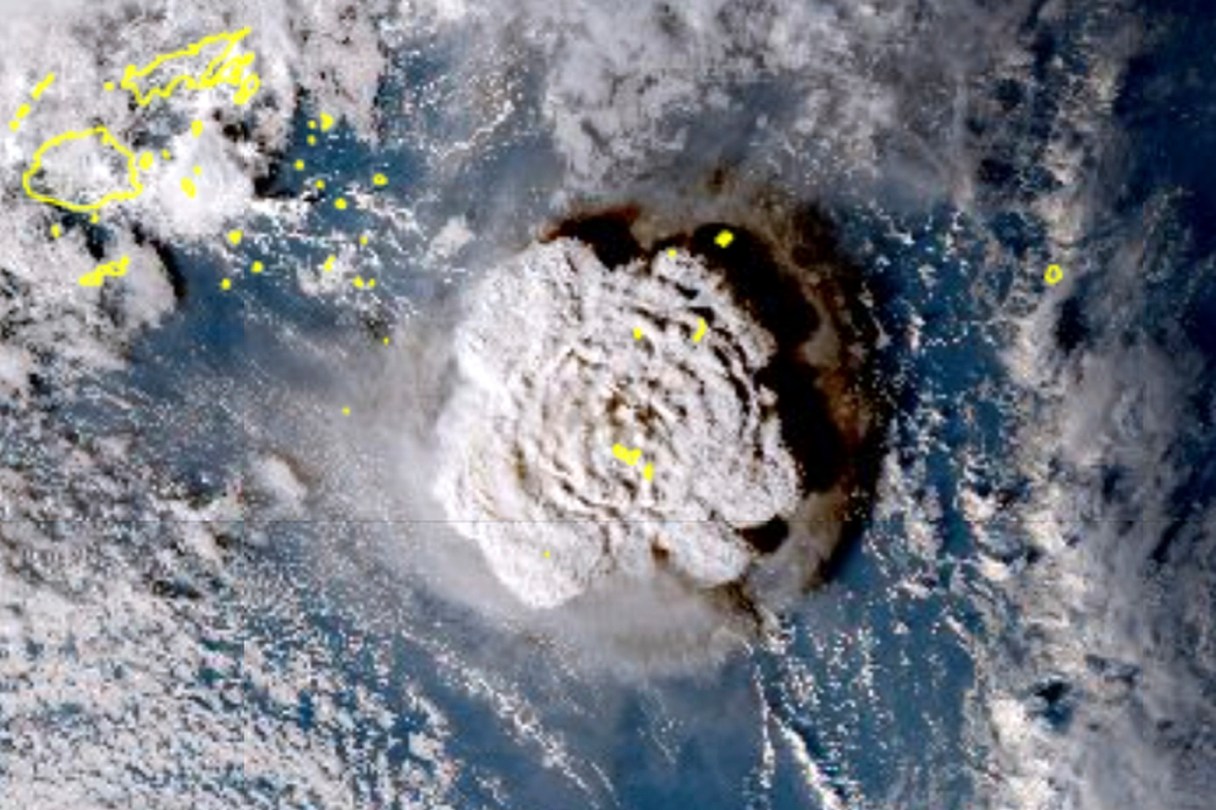
One surprising source of added warmth could be cleaner air resulting from new shipping rules. Another possible cause is 165 million tons (150 million metric tons) of water spewed into the atmosphere by a volcano. Both ideas are under investigation.